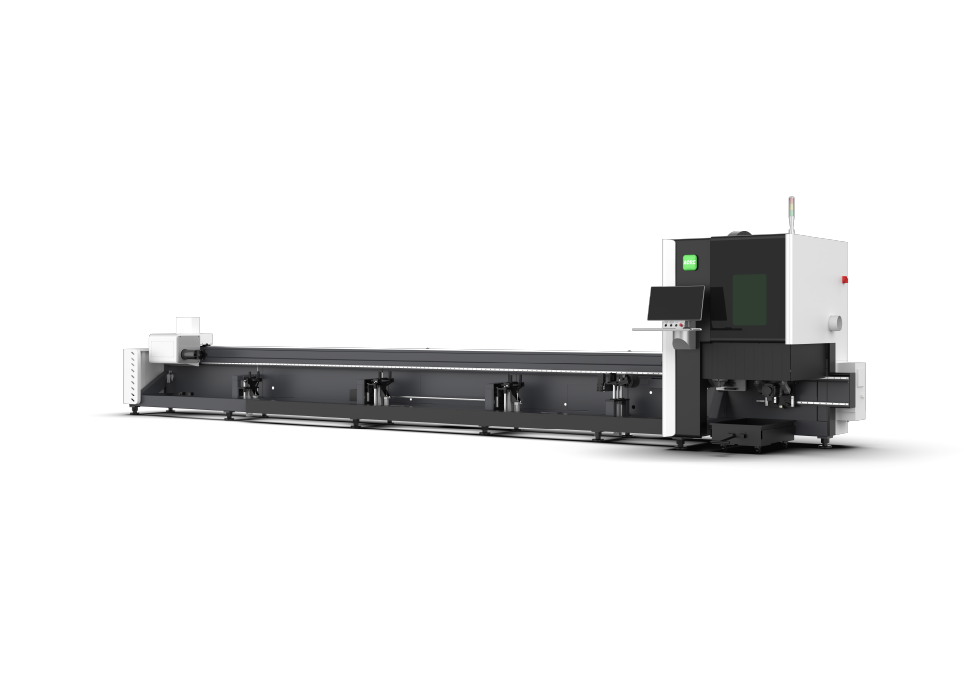
3-12kW
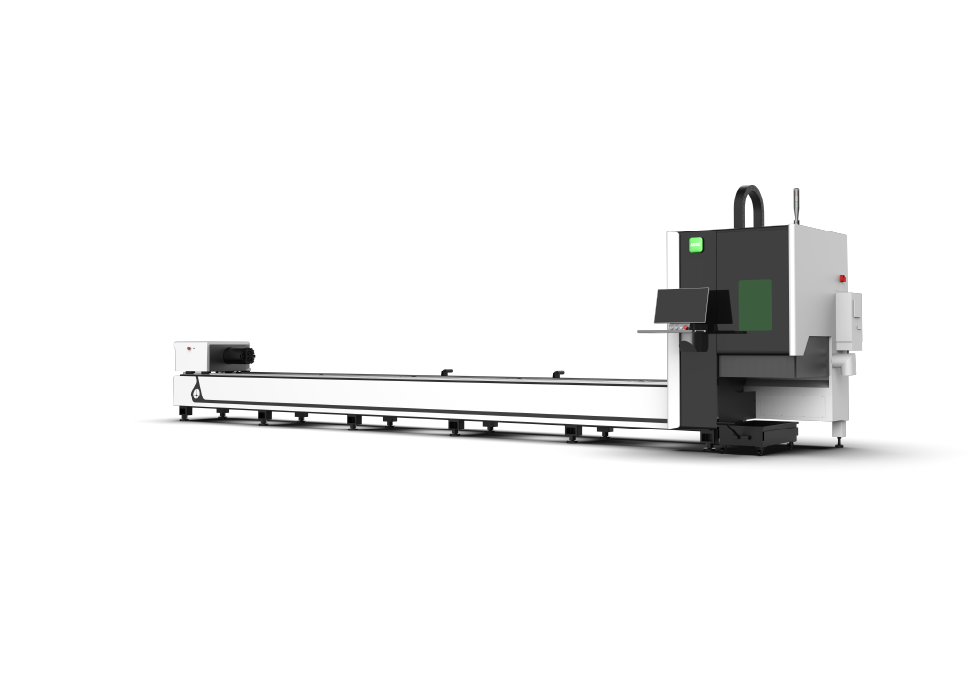
12-40kW
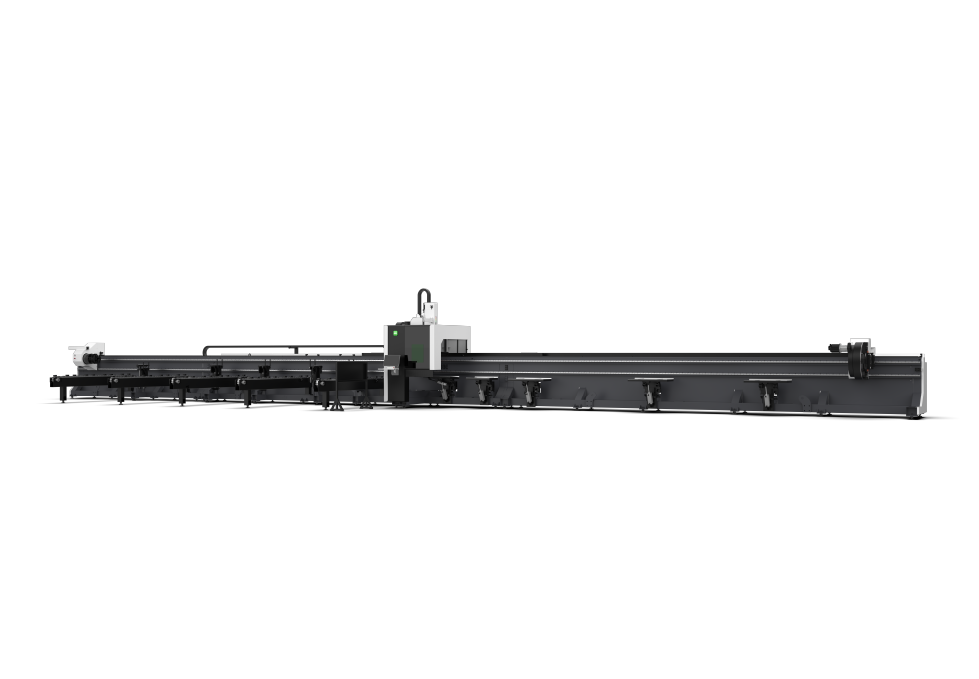
1.5-20kW
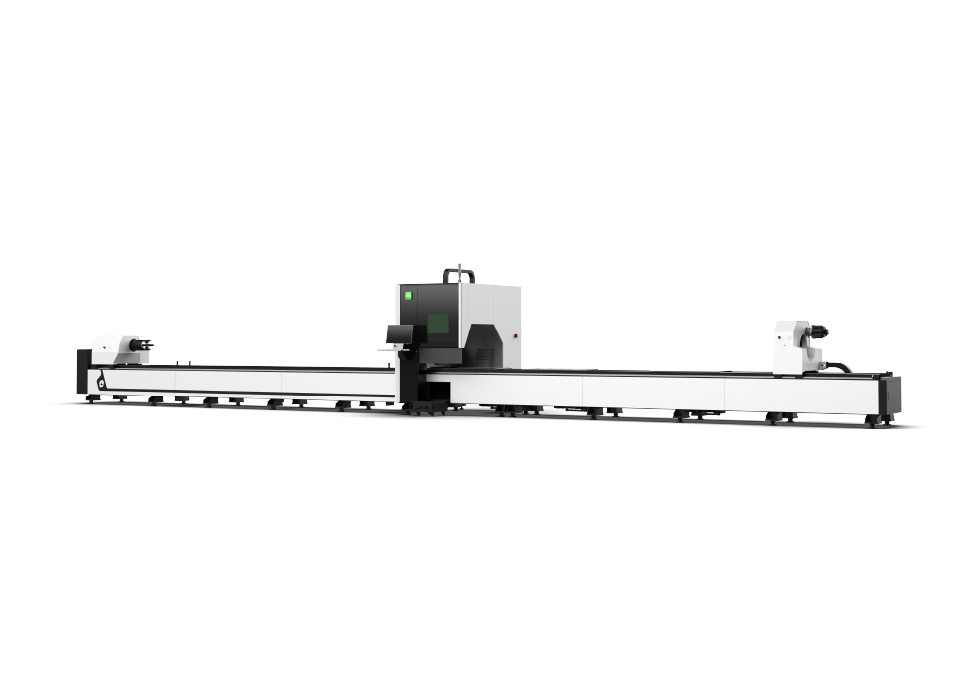
6-60kW
6-40kW
1.5-40kW
8-40kW
1.5-12kW
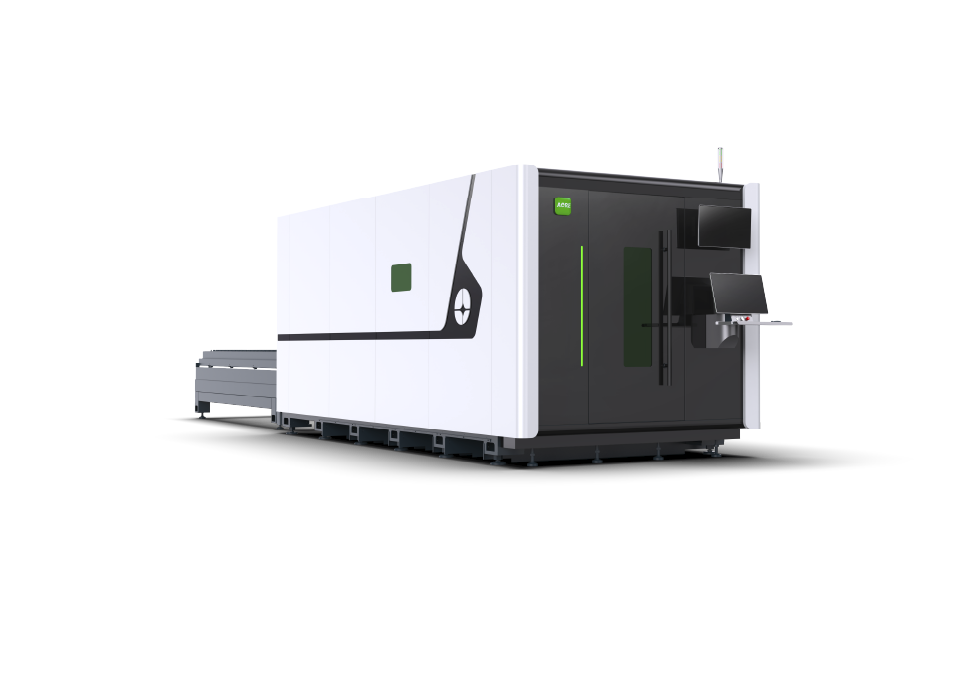
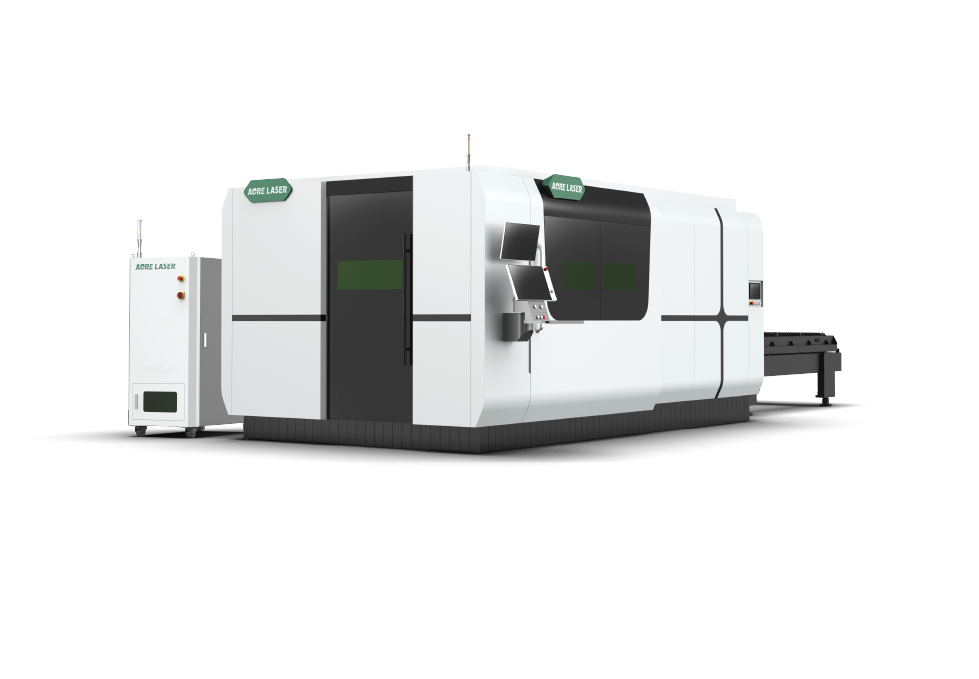
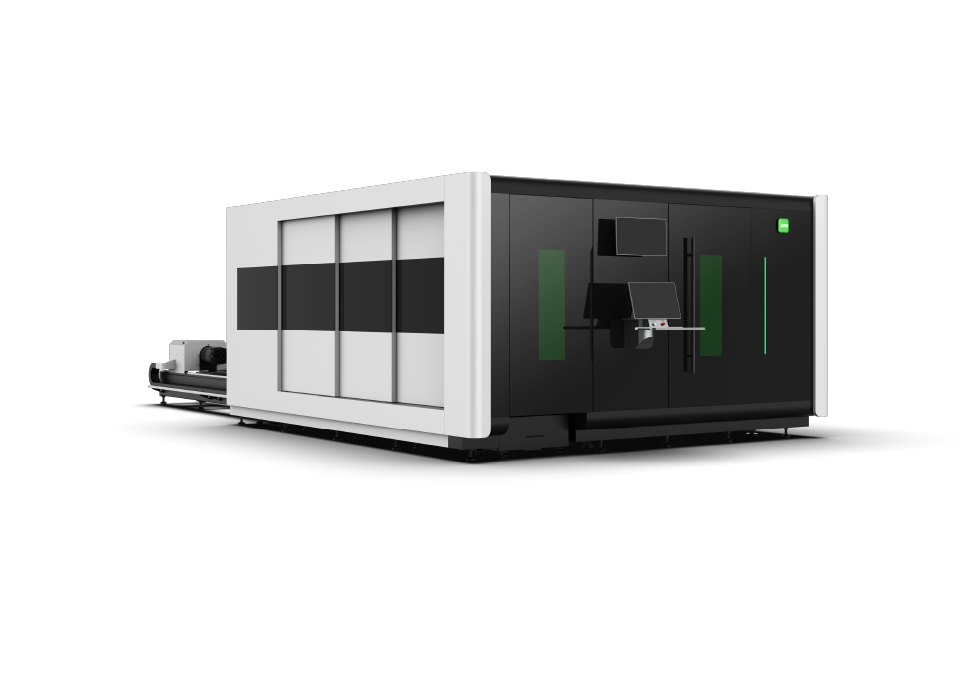
Fully-Protective High-Speed Sheet Laser Cutting Machine
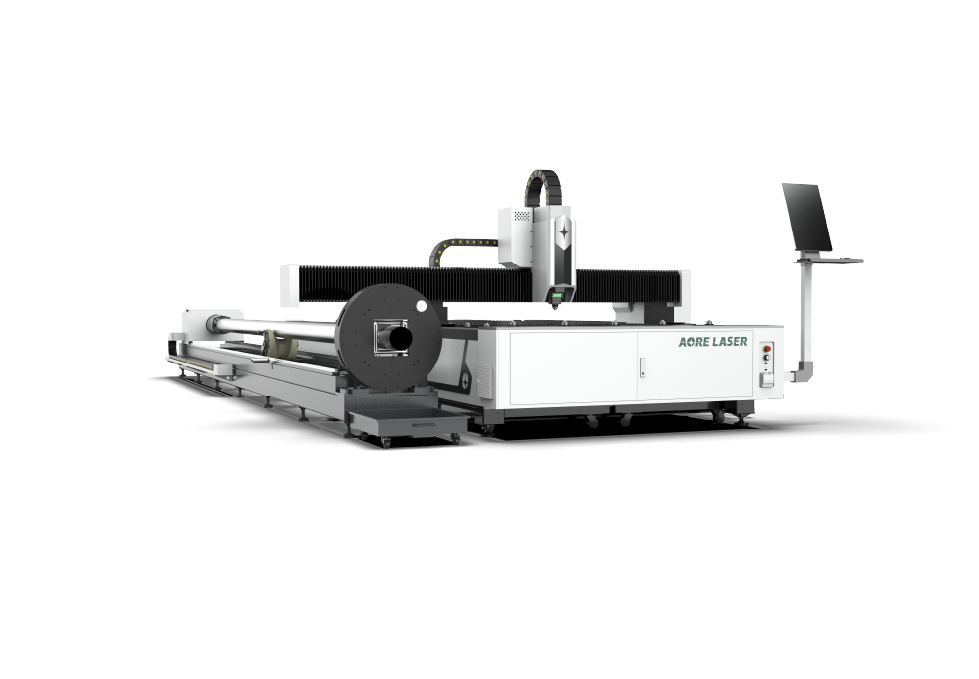
All-In-One Fiber Laser Cutting Machine
Single platform plate laser cutting machine
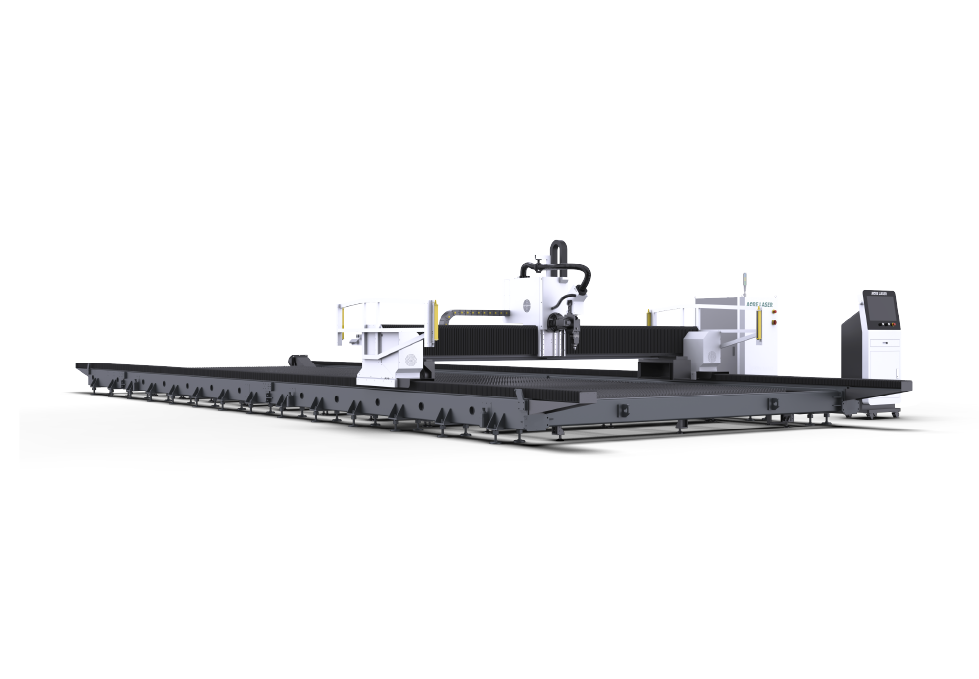
Ground-rail Sheet Fiber Laser Cutting Machine
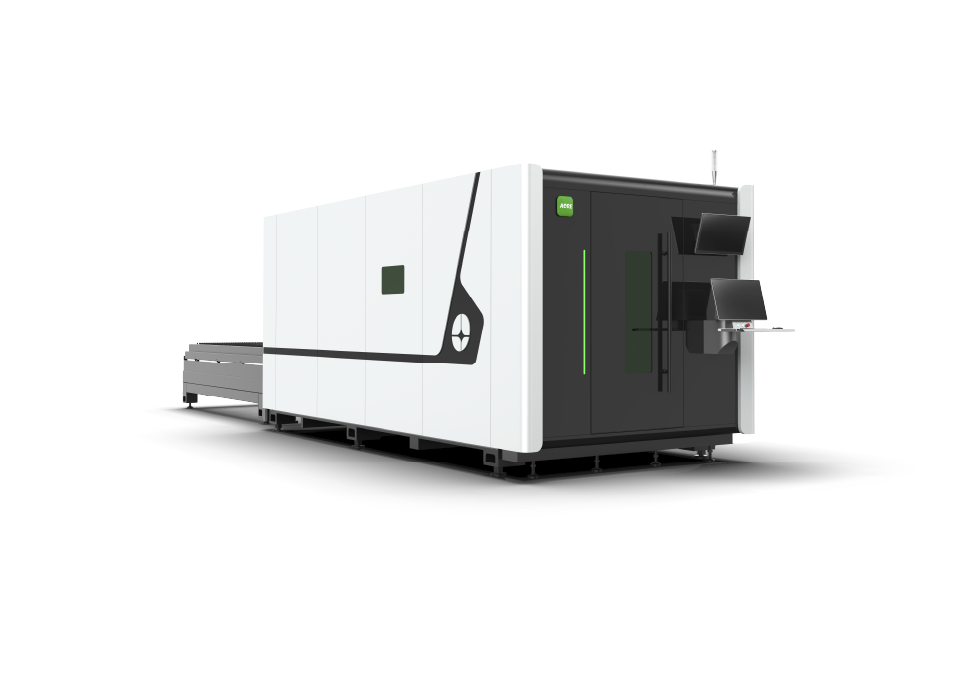
High-speed Sheet Fiber Laser Cutting Machine
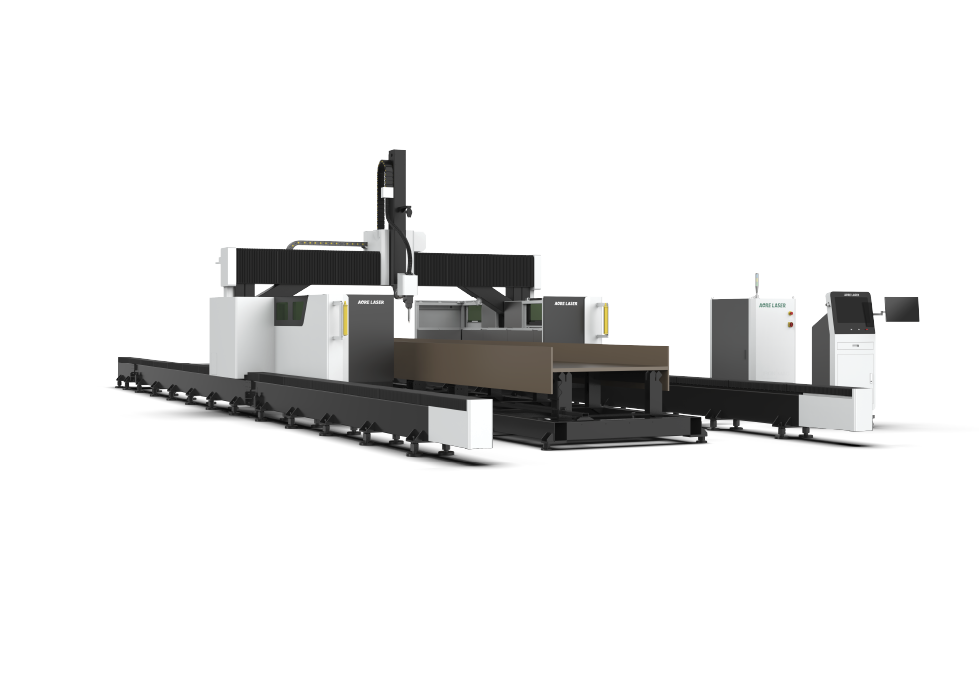
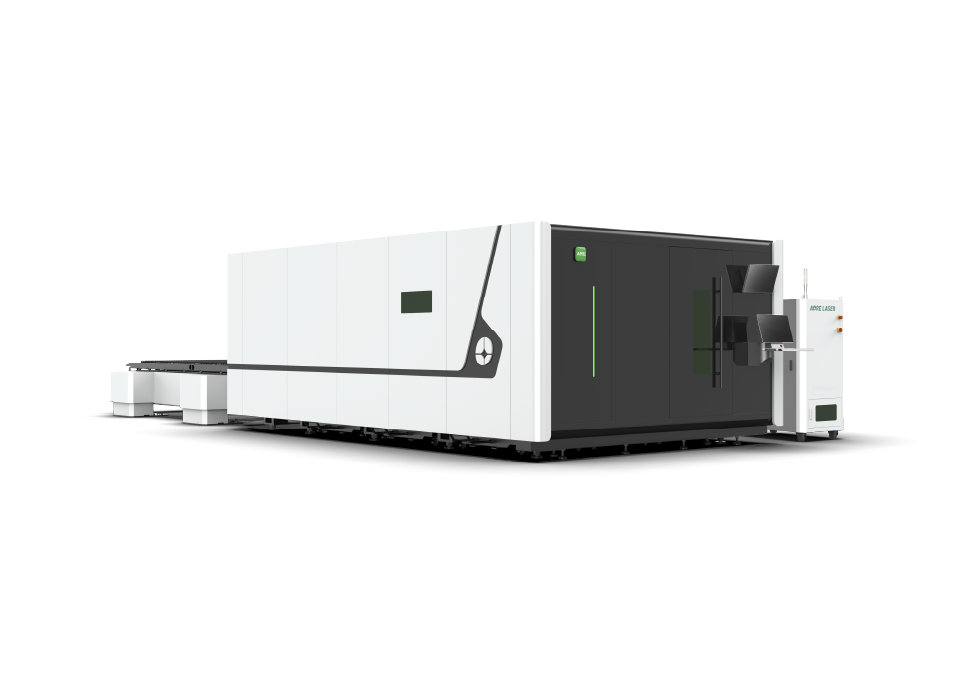
High power sheet laser cutting machine
Full-protective Fiber Laser Bevel Cutting Machine
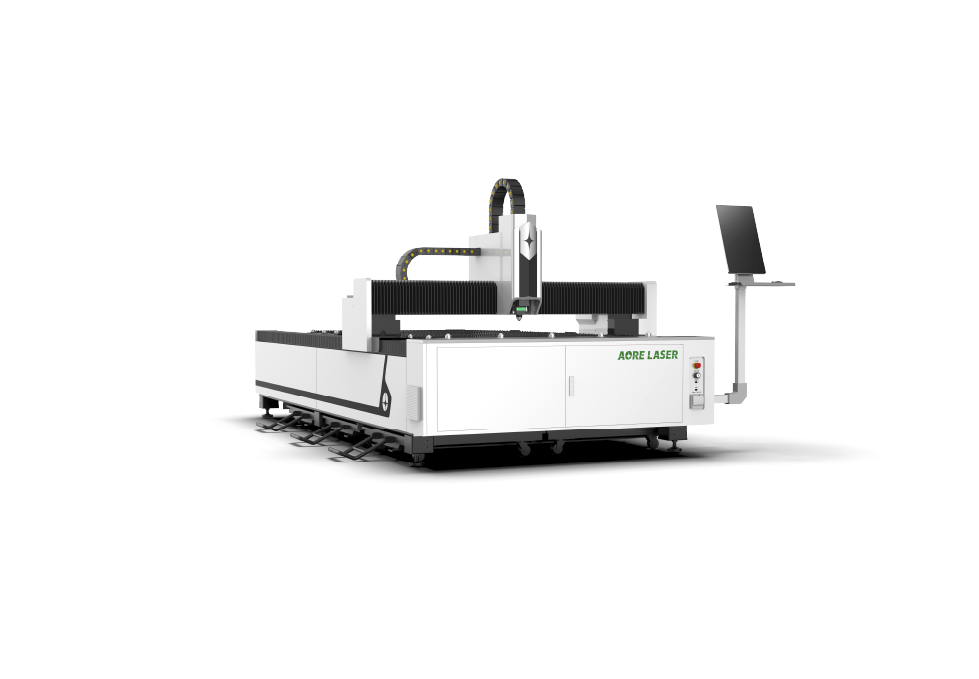
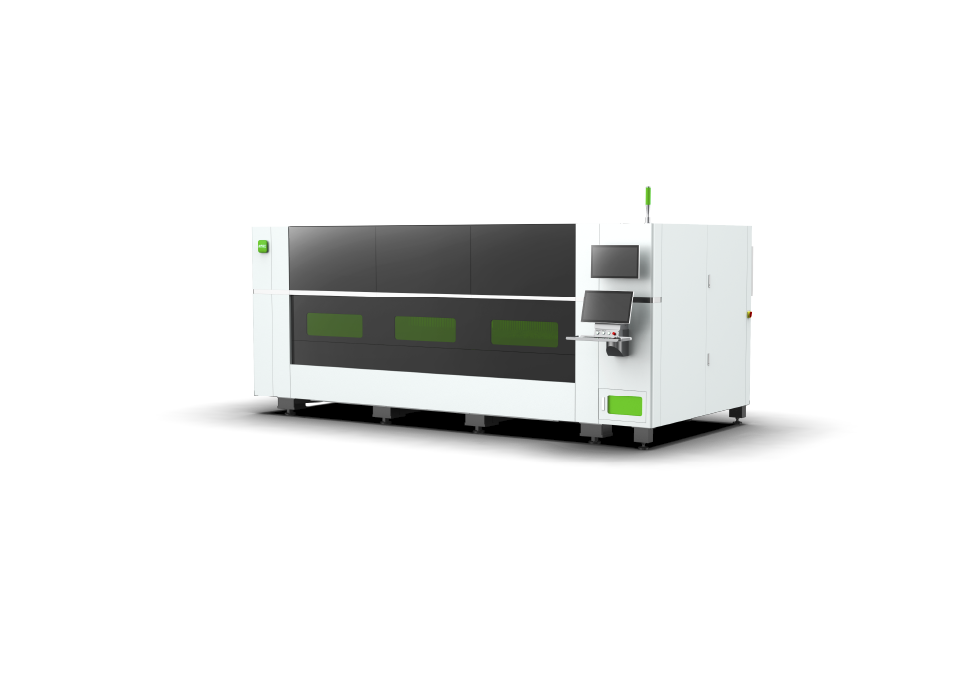
Precision sheet metal laser cutting machine
1.5-3kW
6-12KW
6-20kW
1-3KW
3D Beveling High-Speed Laser Tube Cutting Machine
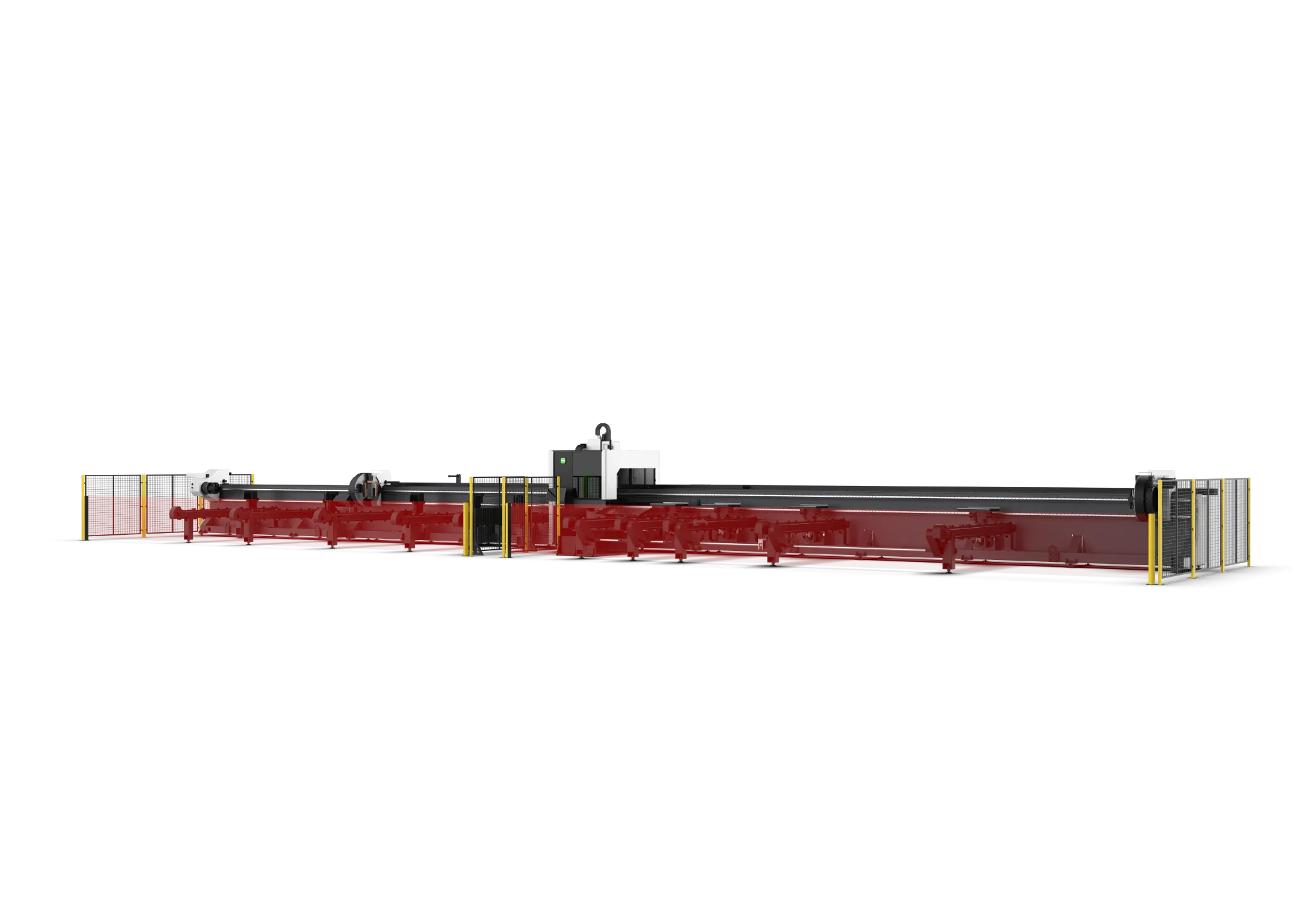
High-speed Tube Laser Cutting Machine
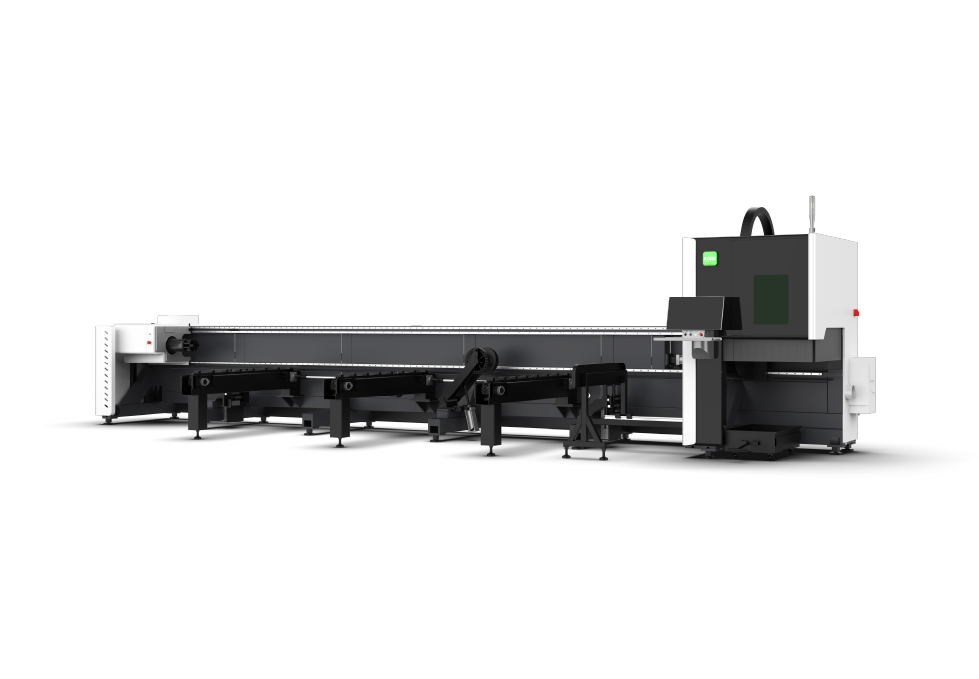
Efficient Tube Fiber Laser Cutting Machine
Three-Chuck Heavy-Duty Tube Laser Cutting Machine
Three-chuck Tube Fiber Laser Cutting Machine
Four-Chuck Fully Floating Fiber Laser Tube Cutting Machine
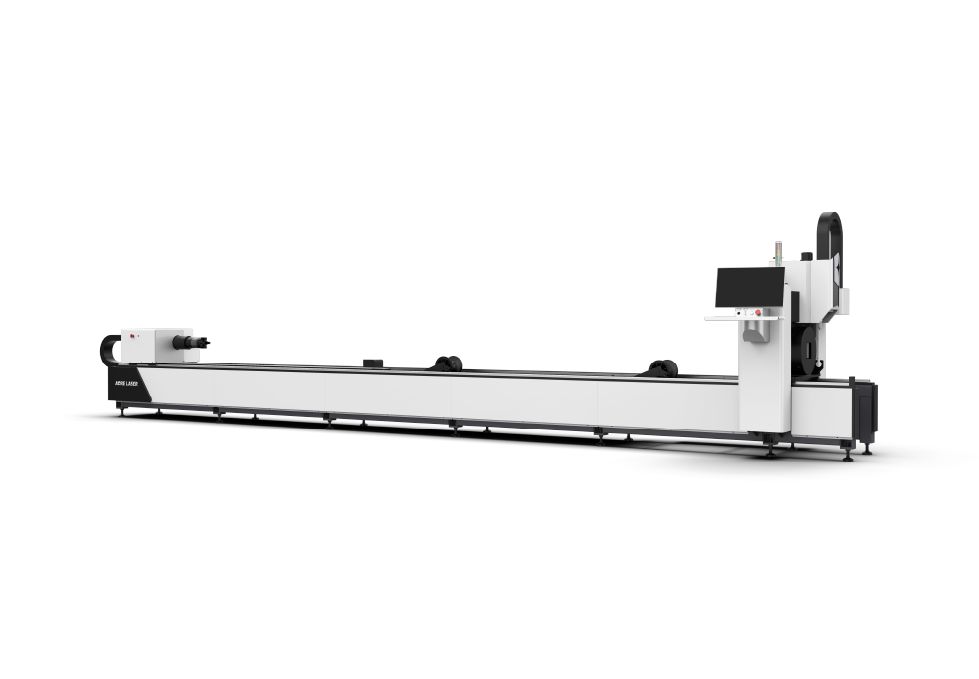
High-speed Tube Fiber Laser Cutting Machine
Economical laser tube cutting machine
Double-platform Sheet and Tube Fiber Laser Cutting Machine
Efficient Sheet and Tube Fiber Laser Cutting Machine
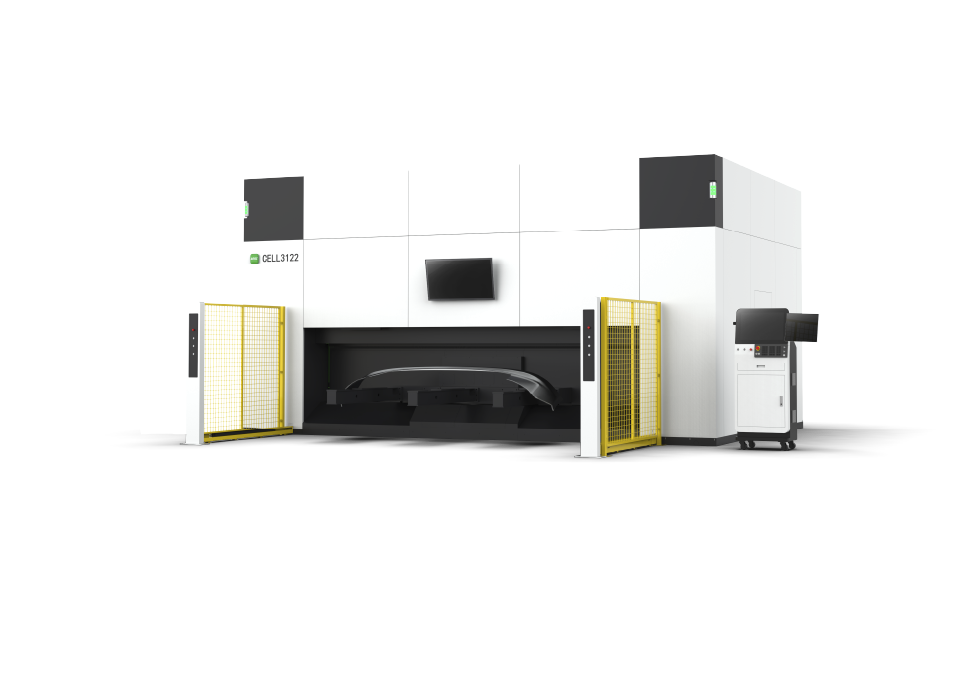
3D Five-axis Fiber Laser Cutting Machine
1.5-6kW
Automated Profile Loading & Unloading System
Sheet Metal Warehouse Loader/Unloader
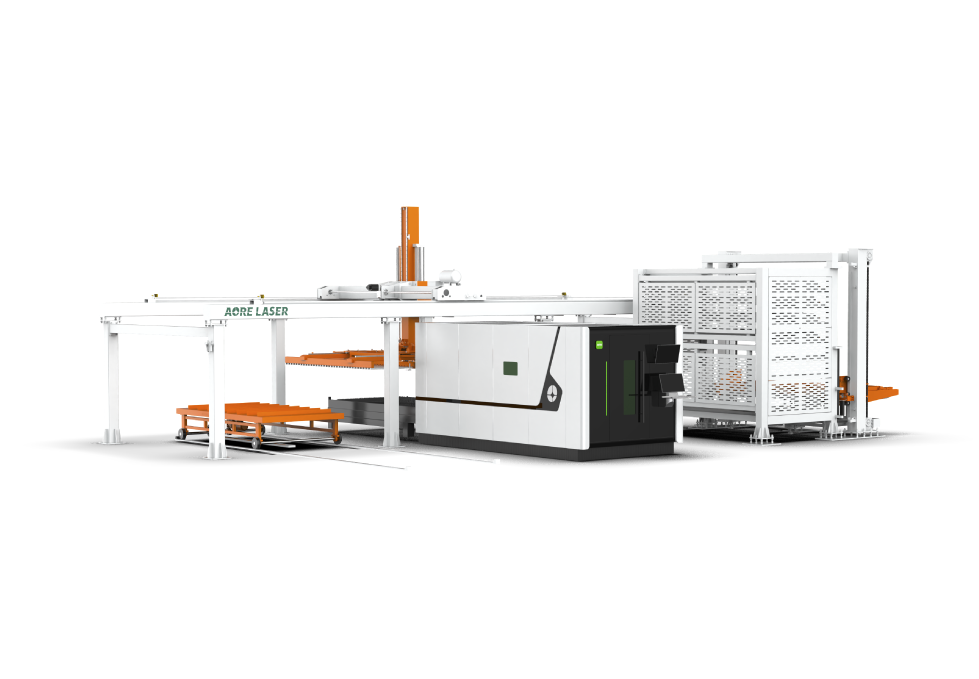
Automatic Sheet Metal Loading Device
Automatic Cantilever Sheet Metal Loading Device
Cantilever Sheet Metal Loading Device
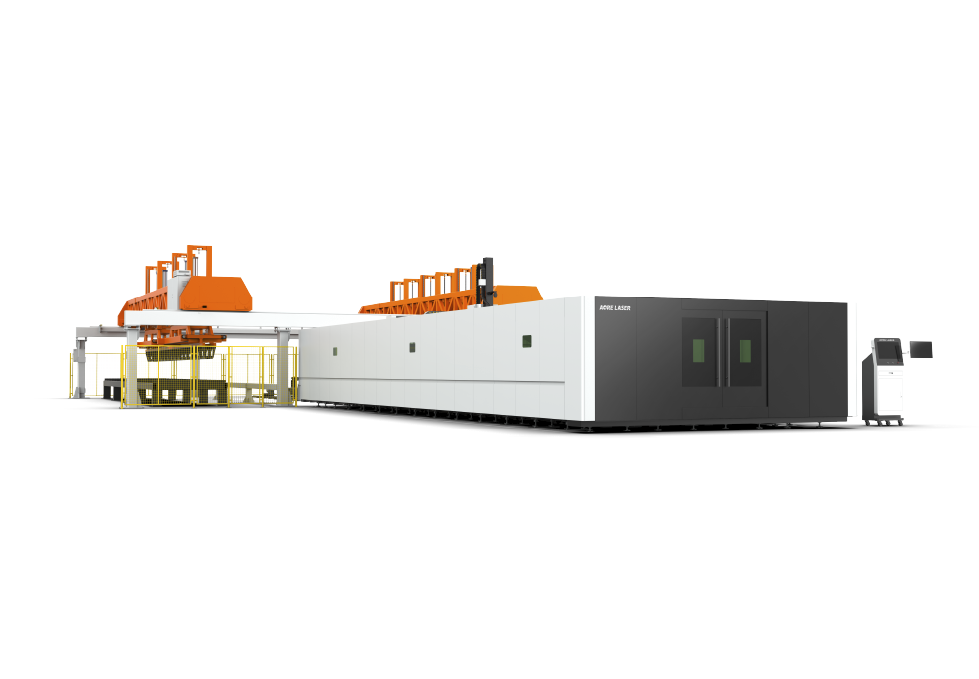
Intelligent Sheet Metal Production Line
Coil Laser Cutting Production Line
Intelligent Welding Workstation
Electro-Hydraulic Servo Press Brake
3kW
Water-cooled Handheld Laser Welding Machine
Water-cooled Handheld Laser Cleaning Machine
* Name
* E-mail
* Phone or WhatsApp
* Country
* City
Company
* Cutting Material
* Message
In the consumer goods manufacturing sector, the metal kitchenware industry has been particularly impacted by the revolutionary influence of laser technology. As demand for commercial catering equipment and household kitchenware continues to evolve, manufacturers are facing increasingly stringent requirements: higher product precision, shorter lead times, and greater design variety—all while keeping labor costs under control.
Kitchenware production is transitioning toward flexible manufacturing. Traditional processes such as stamping and shearing are gradually revealing bottlenecks in terms of flexibility and efficiency. From household stainless steel cabinets to commercial kitchen equipment, and from delicate tableware to large-scale food preparation tools, fiber laser cutting technology is comprehensively replacing traditional methods. Particularly in the field of stainless steel processing, laser technology can significantly improve production efficiency while ensuring quality. For kitchenware manufacturers, equipment upgrades are no longer merely a matter of efficiency, but a matter of competitiveness.
Laser cutting requires no physical contact with the material, avoiding scratches and mechanical stress. It produces smooth, burr-free edges that are gentler on stainless steel surfaces, significantly reducing labor costs for post-processing.
Laser cutting directly reads design files, eliminating the need to change dies. This makes it particularly suitable for custom cabinet dimensions, diverse hole patterns, and small-batch production.
The kitchenware industry commonly uses materials with thicknesses ranging from 0.5 mm to 2.0 mm—a range where fiber laser cutting excels.
Although the initial equipment investment is high, it saves on mold costs, labor costs, and secondary processing costs, making it more economical in the long run.
Stainless steel cabinets demand high dimensional accuracy and consistency, while orders often follow a trend toward customization. The core challenges in manufacturing stainless steel cabinets include: thin sheet metal, extremely high surface quality requirements (no scratches), and numerous cutouts (hinge holes, handle positions, ventilation grilles, etc.).
The laser cutting process does not damage the protective film on coated sheets, ensuring a flawless finished surface. Additionally, intelligent nesting software for laser cutting maximizes sheet utilization, effectively reducing waste of expensive stainless steel materials. Furthermore, the cut edges are smooth and perpendicular, eliminating the need for secondary grinding and allowing direct progression to subsequent bending and welding processes, which significantly shortens the production cycle.
The advantages of laser technology include: high-speed batch production, precise hole positioning, reduced assembly errors, and rapid switching between different specifications. This enables cabinet manufacturers to respond more flexibly to customization demands.
Commercial kitchen equipment demands extremely high standards of durability and hygiene, making stainless steel the material of choice. CNC laser cutting machines play a critical role in the manufacturing of products such as sinks, work surfaces, and cooktop panels.
Take stainless steel sinks as an example: traditional stamping processes often result in edge deformation and uneven thickness, which compromise sealing performance and service life. In contrast, laser cutting machines can precisely cut drain openings with smooth, burr-free edges. 3D laser cutting technology can also perform round-edge cutting and hole drilling on pre-formed sinks, ensuring product consistency and aesthetic appeal. More importantly, when faced with production tasks involving different batches and specifications, laser cutting enables rapid changeovers; simply calling up preset process parameters allows for seamless switching between different products.
Dinner forks, spoons, knives, soup spoons, spatulas, and specialty kitchen utensils are typically mass-produced and require extremely high surface finish standards. Laser cutting provides a clean, precise method for cutting tableware blanks from stainless steel sheets, producing edges that require virtually no grinding or polishing before forming and finishing.
The non-contact nature of laser processing is particularly advantageous for thin-gauge cutlery materials, as mechanical blanking can cause micro-cracks or deformation along the edges. Laser-cut blanks retain the full material integrity of the parent stock, resulting in a stronger, more durable finished product. The precise consistency of blank shapes also ensures uniformity in weight and balance across production batches—a quality attribute increasingly sought after by discerning buyers and brands.
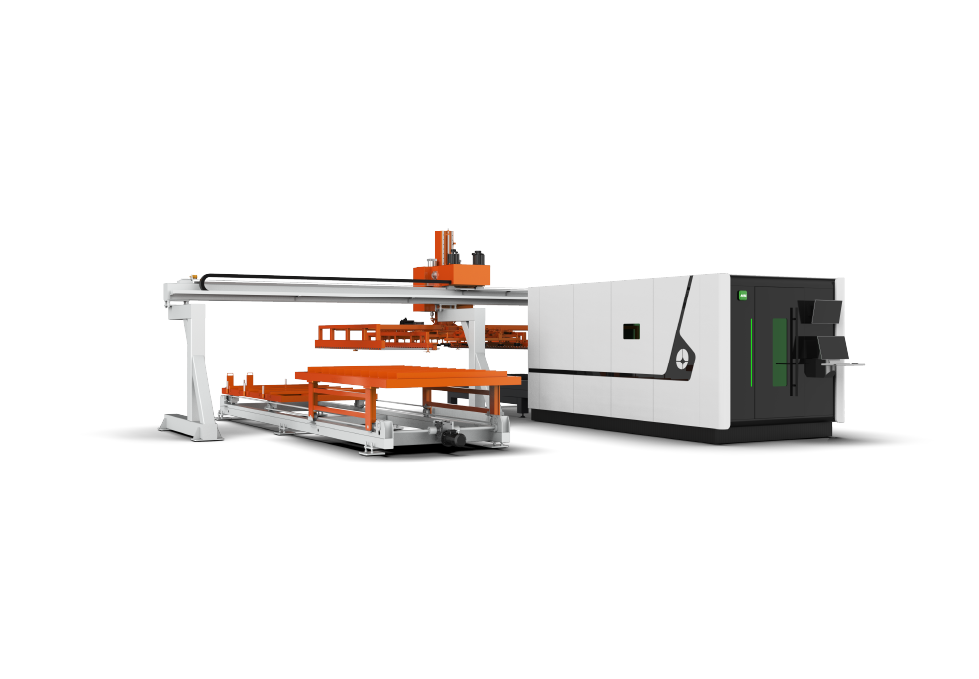
For kitchenware manufacturers seeking a production-grade laser cutting solution that combines speed, precision, reliability, and operator safety, the AORE Laser PU Series—a fully enclosed high-speed sheet metal fiber laser cutting machine—represents a platform specifically built to meet the industry’s demands.
A zoned dust extraction system achieves a dust removal efficiency of 95% or higher, maintaining a cleaner cutting environment and preventing particulate contamination of finished product surfaces. An optional clean, enclosed downward-draft dust extraction unit further optimizes air quality in the cutting area by capturing smoke particles that would otherwise settle on workpiece surfaces or require investment in workshop-level ventilation equipment. For operations prioritizing personnel safety, the intelligent safety light curtain (optional configuration) provides seamless, real-time protective sensing, offering comprehensive protection for both operators and equipment, and supporting safe production procedures in line with increasingly strict workshop safety regulations.
A defining feature of the PU Series is its ability to maintain high cutting speeds while preserving cutting quality. With operating speeds of up to 180 m/min and acceleration of up to 2G, the machine achieves a 50%–80% increase in cutting efficiency compared to traditional laser cutting systems. This high-speed cutting capability is ideal for the mass production of repetitive parts, helping businesses increase output per unit of time.
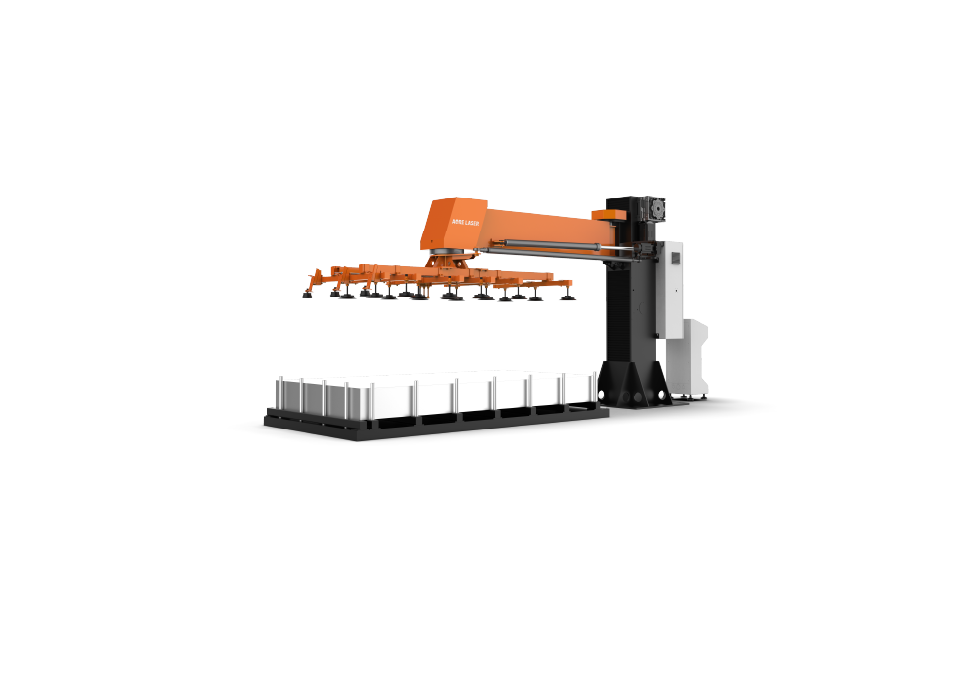
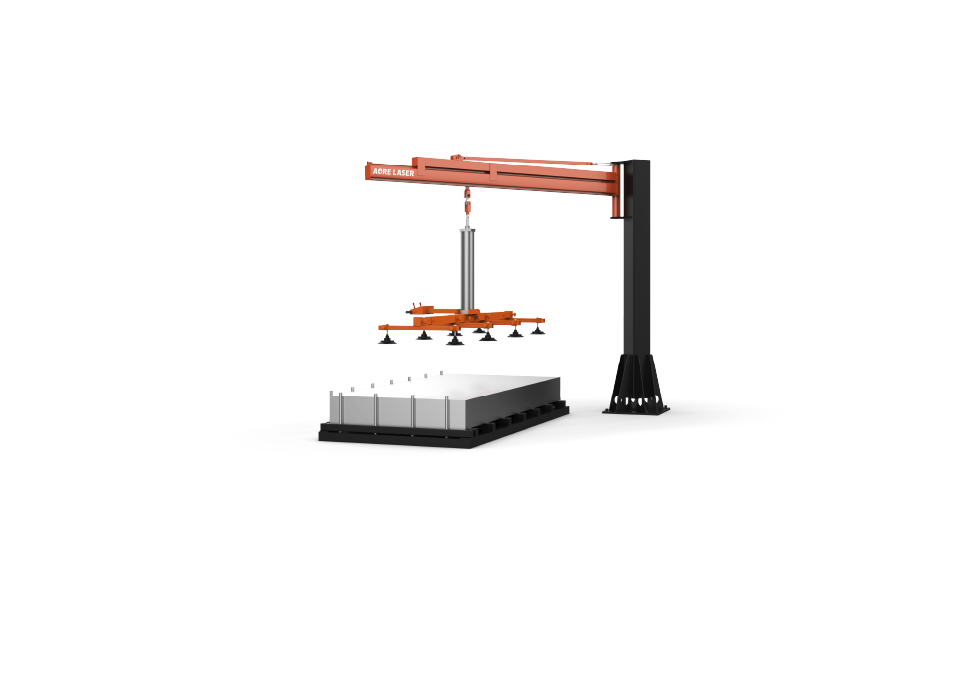
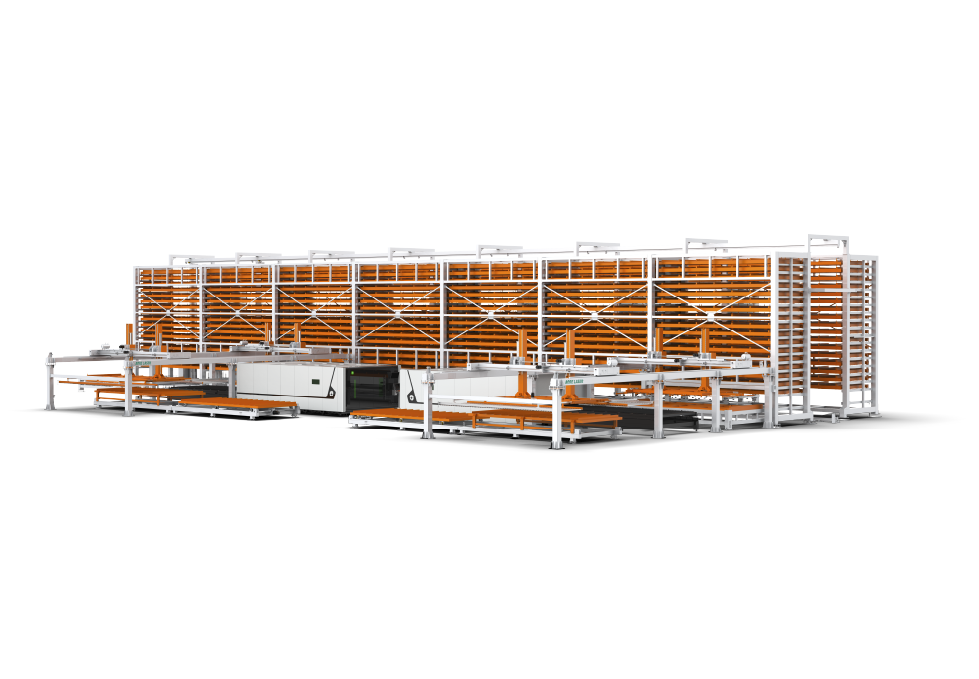
The PU Series is designed for integration with automated material handling systems, including automatic sheet loading and unloading—a configuration increasingly adopted by kitchenware manufacturers as production scales up. Automated loading and unloading reduce manual handling and minimizes surface scratches on the sheet metal (which is critical for appearance-grade stainless steel).
For kitchenware factories producing a wide variety of workpieces in varying batch sizes, the machine's CNC system supports rapid changeovers through a parameter library storing data for different materials and thicknesses, minimizing setup time between production runs.
Kitchenware manufacturing is evolving toward greater efficiency, flexibility, and automation. Fiber laser cutting technology offers distinct advantages in enhancing processing precision, reducing costs, and adapting to diverse demands. For companies processing stainless steel cabinets, sinks, tableware, and commercial kitchen equipment, laser equipment has become a critical production tool.
AORE laser cutting machines are optimized for the specific processing requirements of the kitchenware industry. They can reliably process stainless steel sheets ranging from 0.5 mm to 2.0 mm in thickness, delivering high-speed, high-precision cutting, and support automation upgrade solutions to help businesses improve overall production efficiency and consistency. AORE offers kitchenware processing process consulting, automation upgrade solution design, and free sample cutting services to help manufacturers evaluate and optimize their laser processing applications.
Q1: Can you laser-cut 316 stainless steel?
A: Yes. As a type of austenitic stainless steel, 316 material has high viscosity and tends to produce dross during cutting. It requires 99.99% high-purity nitrogen as auxiliary gas and dedicated low-speed precision process parameters to achieve burr-free and smooth cutting surfaces, ideal for batch processing of kitchenware sheets and parts.
Q2: Is it safe to laser cut aluminum?
A: Yes, but be mindful of reflections. Whenever possible, always cut from the matte (back) side. If you must cut from the mirror-finished side, ensure the film is intact and use protective film cutting technology to prevent bubbling.
Q3: Why are the edges of my stainless steel parts rusting?
A: Rust on stainless steel cutting edges is mainly caused by cutting oxidation, impure gas source, residual cutting dust, and humid storage environment. Excess oxygen in nitrogen or air leakage from gas pipelines will aggravate oxidation. Cutting dust attached to the workpiece may cause pitting corrosion when damp. Impure stainless steel material and untreated heat-affected zone without passivation will also lead to rust later. It is recommended to use high-purity nitrogen, clean cutting dust after processing, conduct passivation treatment, and store workpieces in a low-humidity environment.
Q4: What happens if I use oxygen on stainless steel?
A: It is not recommended to cut stainless steel with oxygen. The cut surface will turn black and harden. When chromium in stainless steel reacts with oxygen, it forms an oxide layer, which makes it difficult to blow away slag, reduces the quality of the cut, and compromises the material’s corrosion resistance.
Aore Laser Makes Strategic Impact at EXPO 2025 Sri Lanka
Aore Demonstrates Laser Excellence at Pakistan Industrial Expo 2025
Aorelaser uses "Essential Cookies" to ensure the operation of the website, while others help us improve your user experience. By clicking "Accept All", you agree to our use of all cookies. You can also change your cookie settings by going to your preferences. For more information about cookies, please see our Cookie Policy.(The data storage period is 7 days)
Essential cookies enable basic functionality and are necessary for the website to work properly.
Preference cookies allow websites to remember your choices (such as language preference) and provide a more personal experience.
Statistics cookies collect information anonymously. This information helps us understand how our visitors use our website.
Marketing cookies are used by third parties or publishers to display personalized advertisements. This is done by tracking visitors across websites.