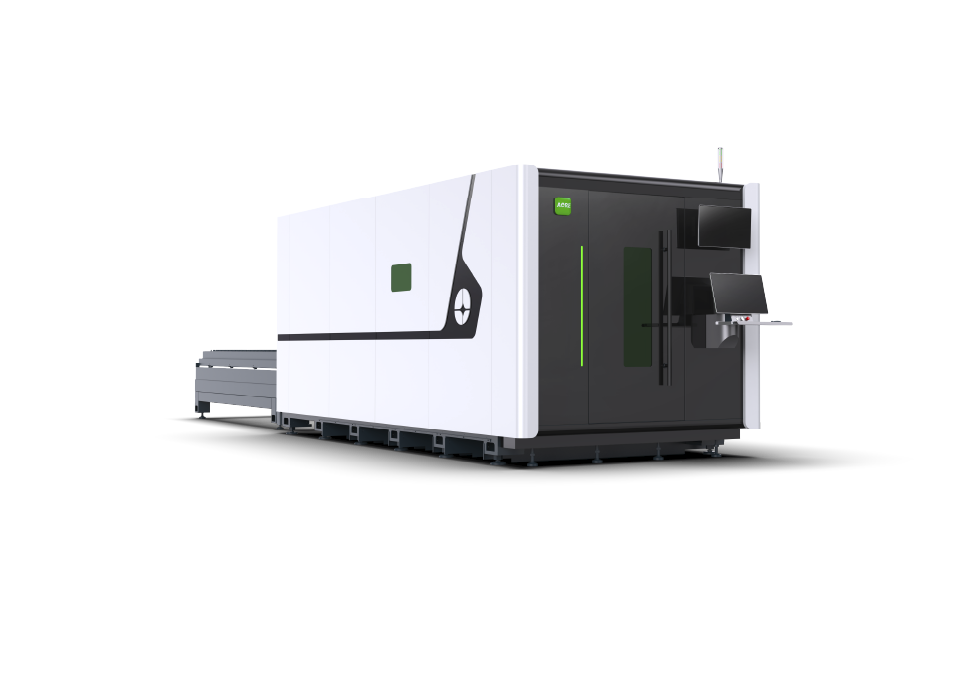
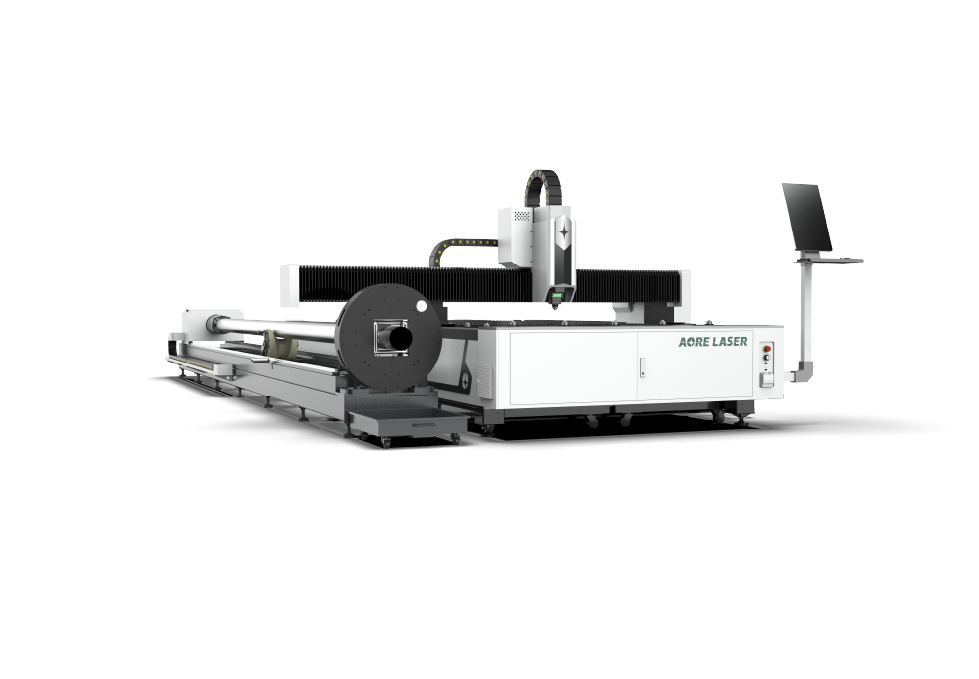
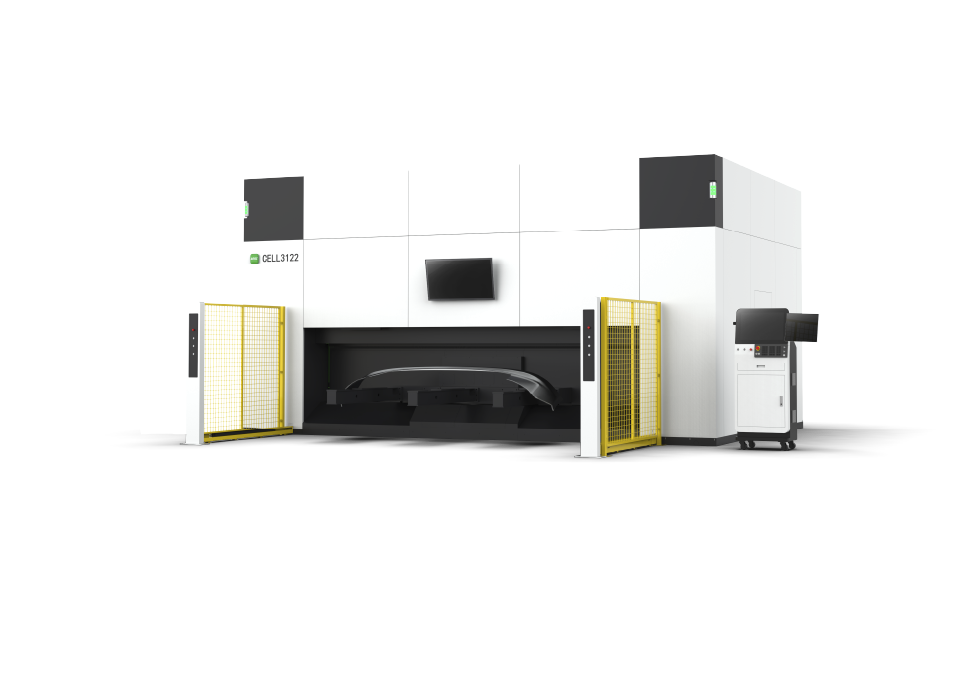
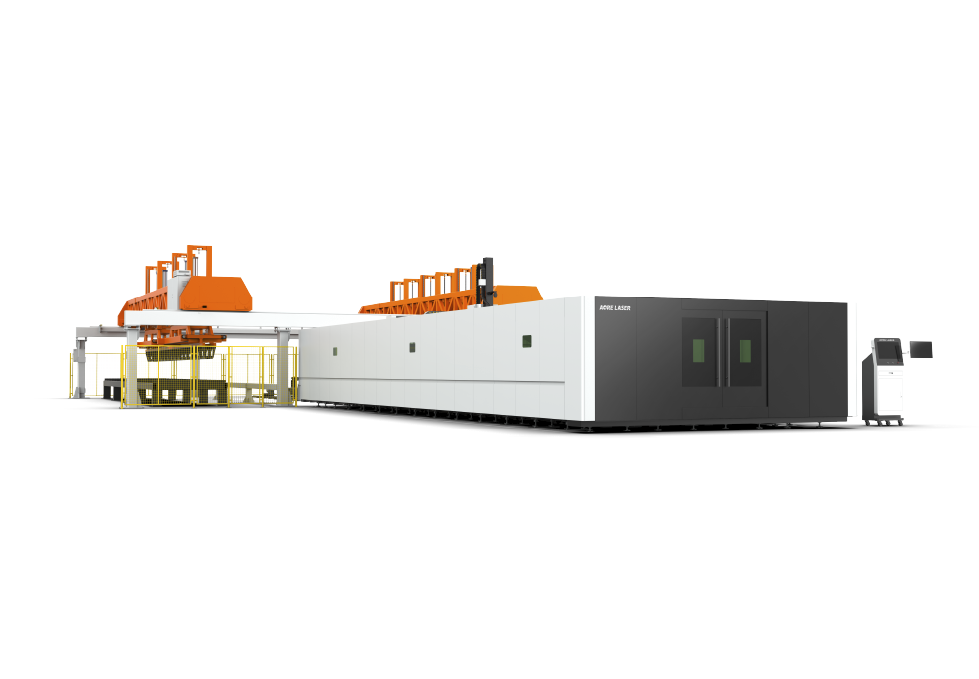
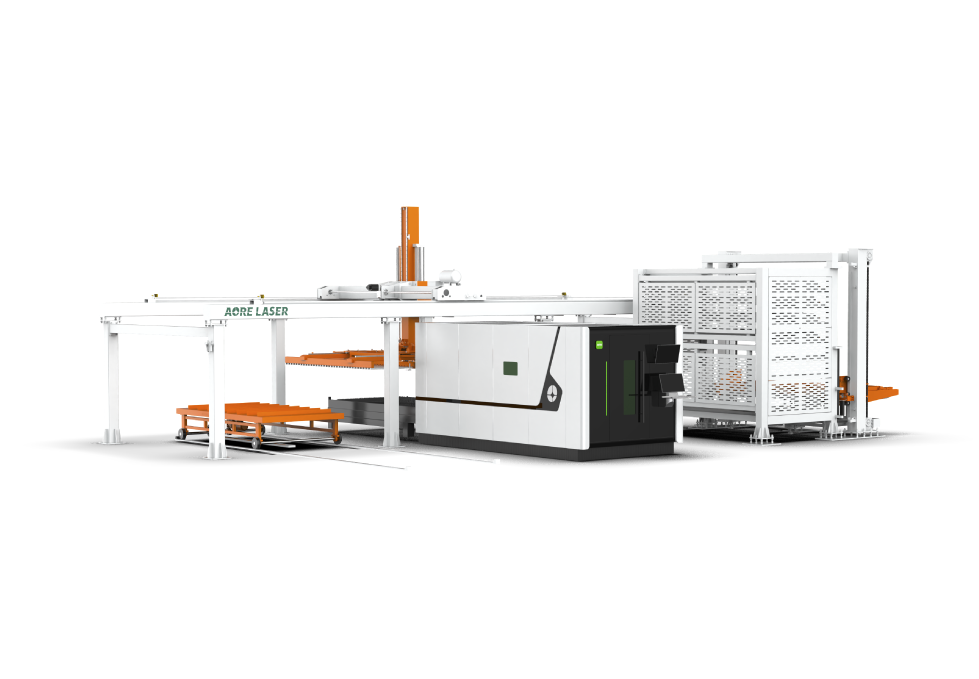
3-12kW
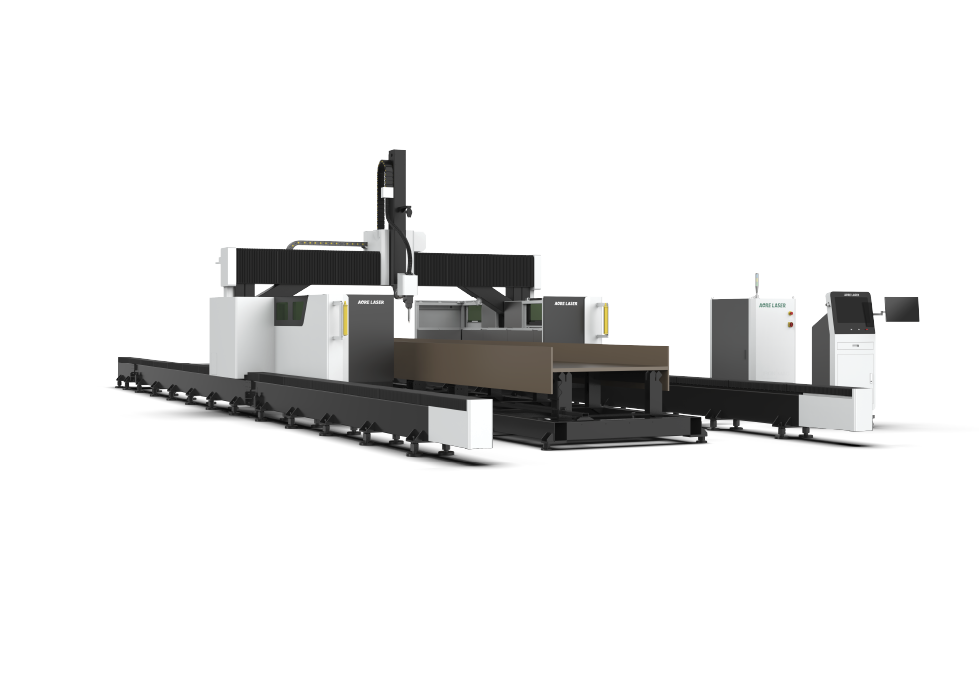
12-40kW
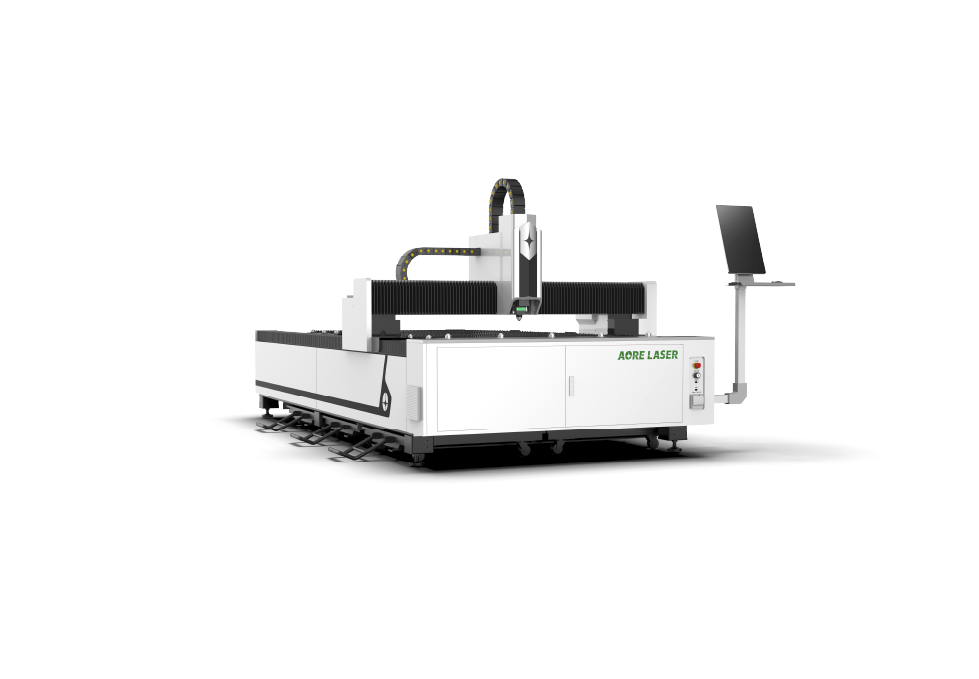
1.5-20kW
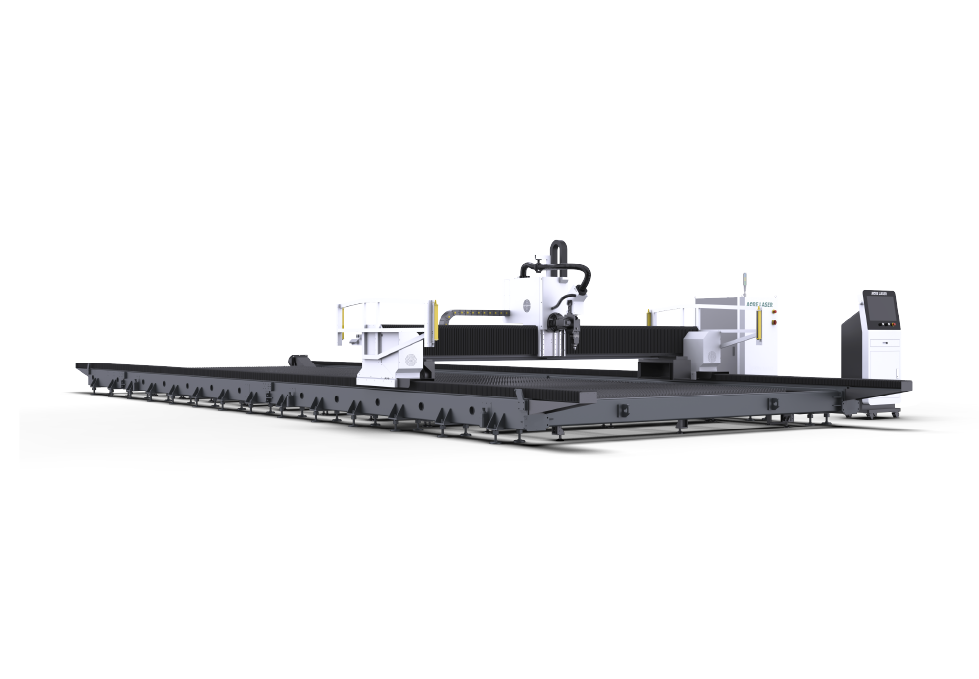
6-60kW
6-40kW
1.5-40kW
8-40kW
1.5-12kW
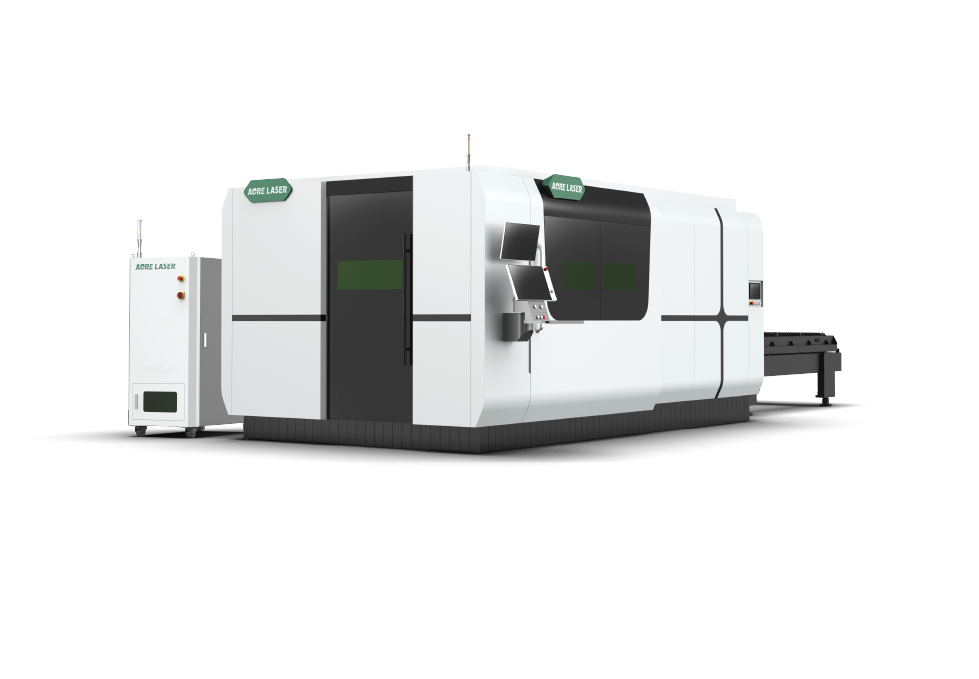
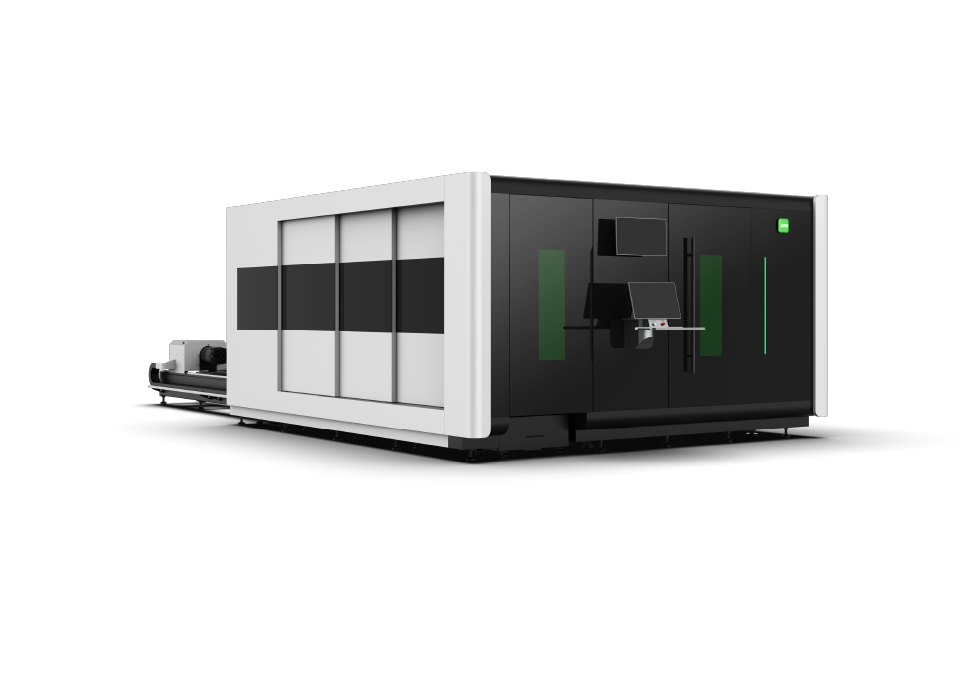
Fully-Protective High-Speed Sheet Laser Cutting Machine
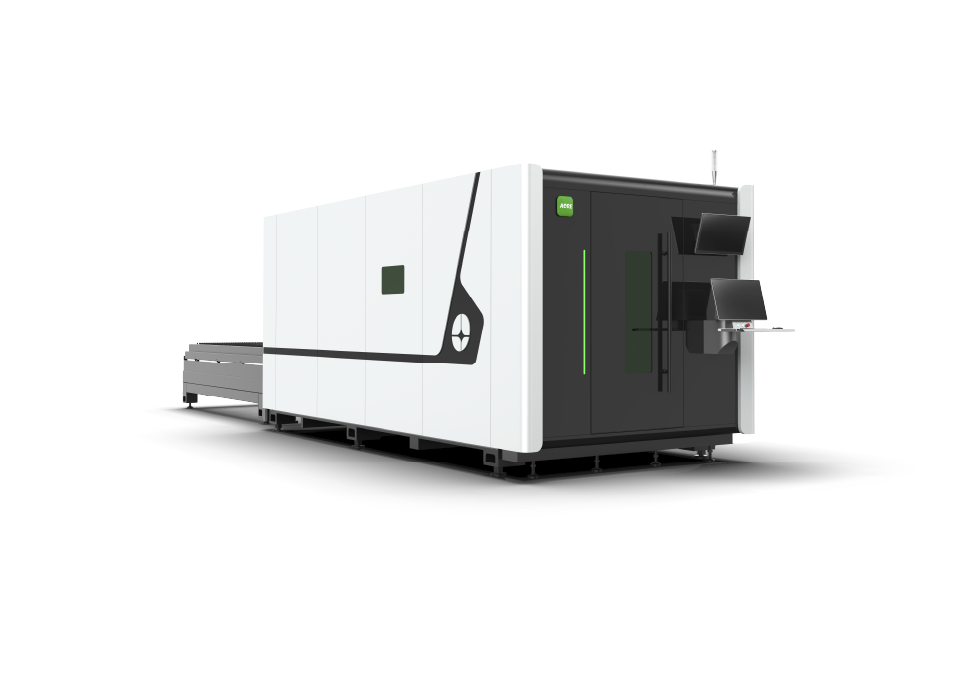
All-In-One Fiber Laser Cutting Machine
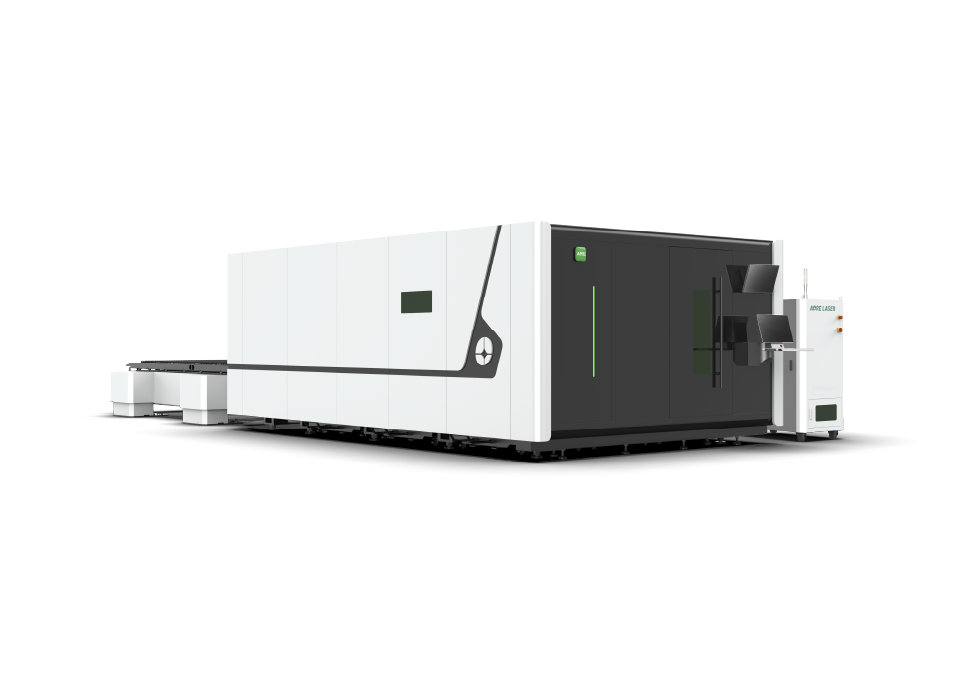
Single platform plate laser cutting machine
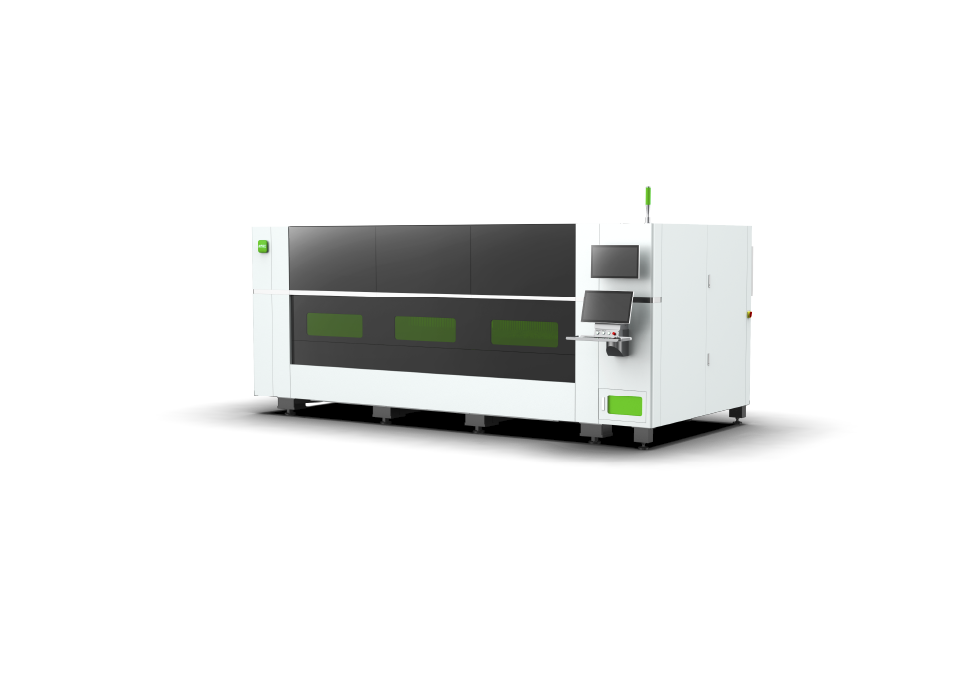
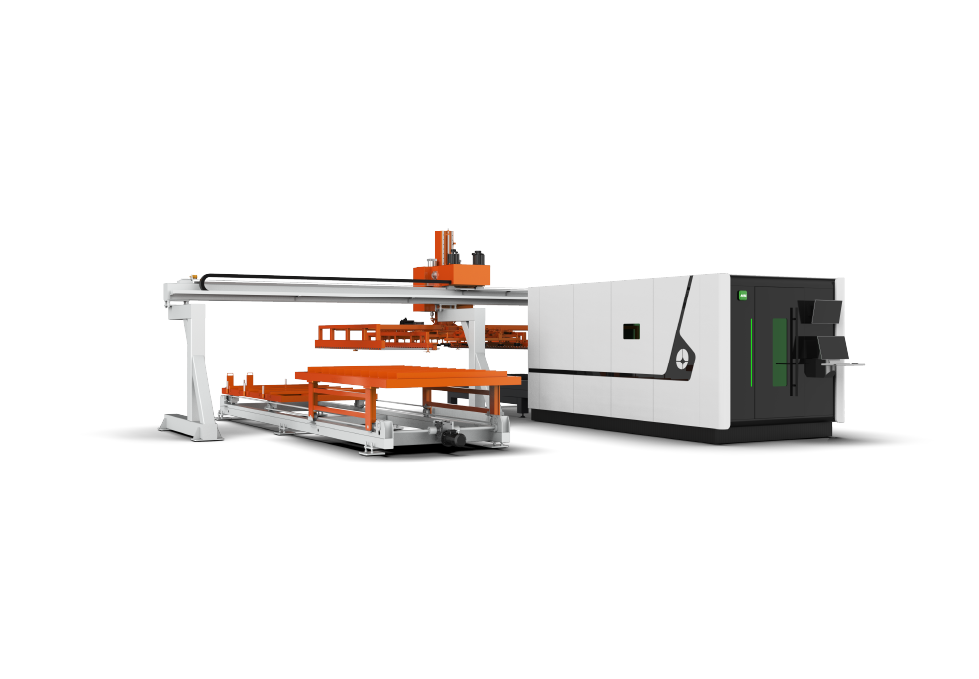
Ground-rail Sheet Fiber Laser Cutting Machine
High-speed Sheet Fiber Laser Cutting Machine
High power sheet laser cutting machine
Full-protective Fiber Laser Bevel Cutting Machine
Precision sheet metal laser cutting machine
1.5-3kW
6-12KW
6-20kW
1-3KW
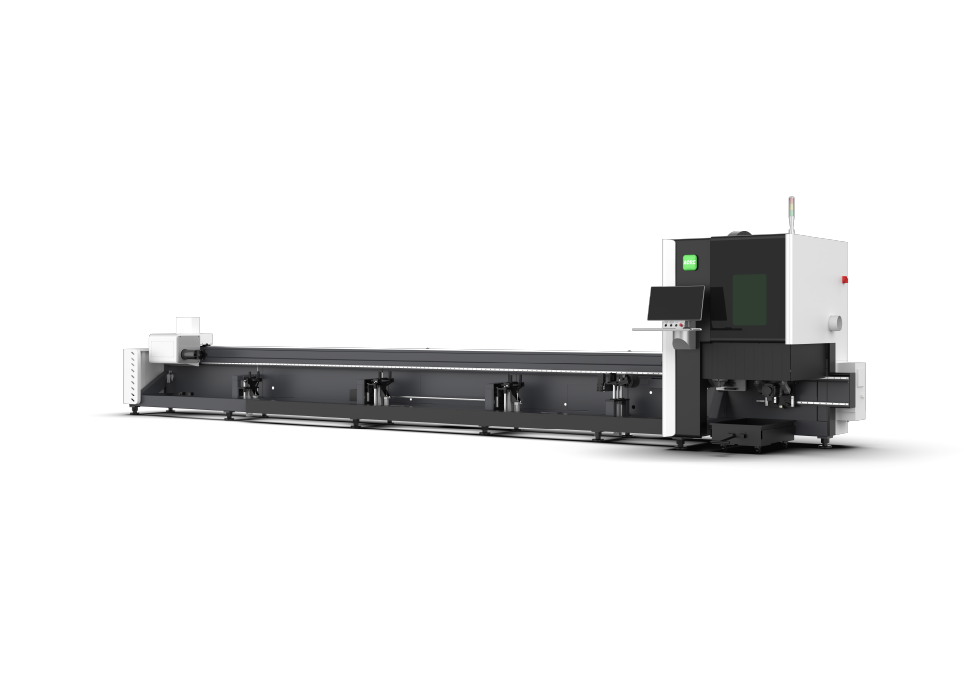
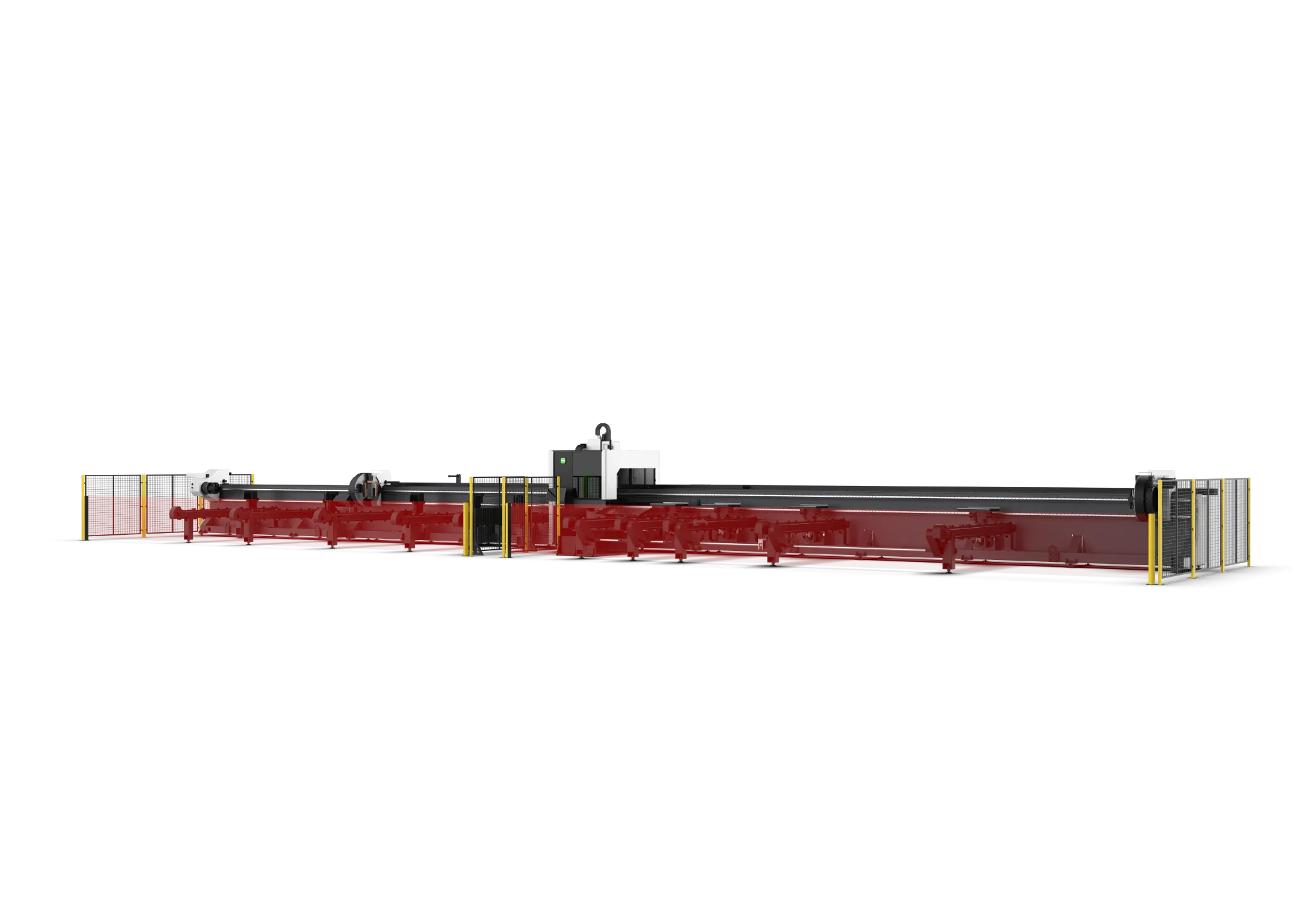
3D Beveling High-Speed Laser Tube Cutting Machine
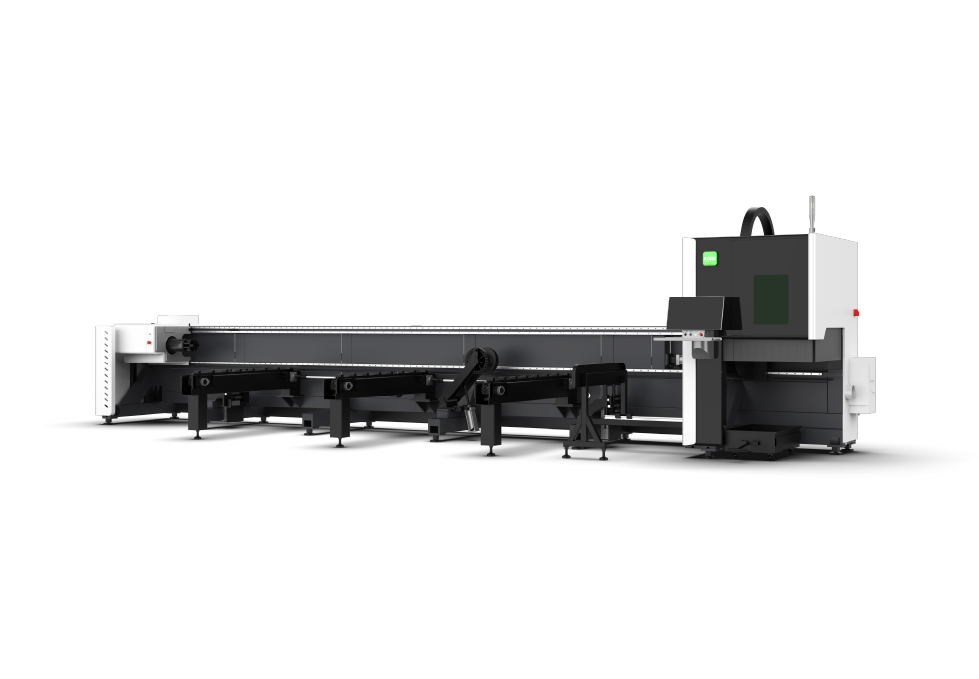
High-speed Tube Laser Cutting Machine
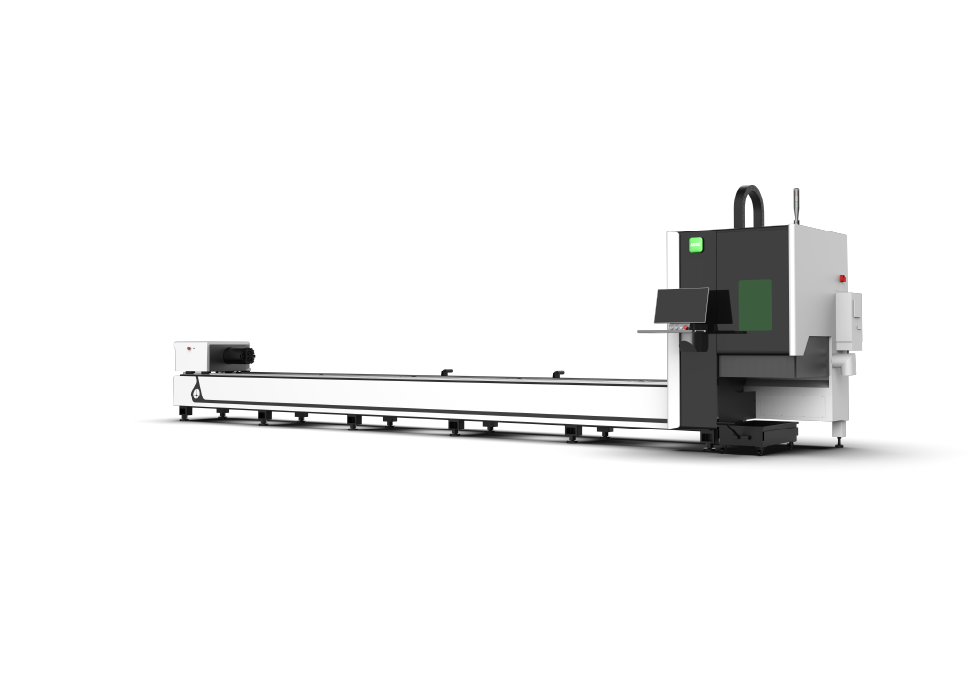
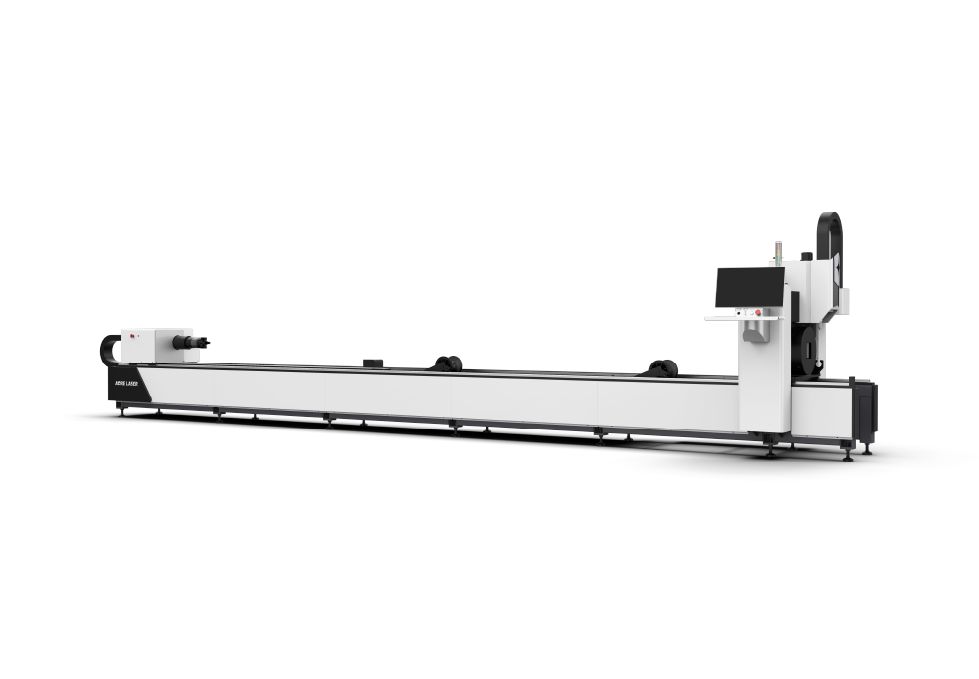
Efficient Tube Fiber Laser Cutting Machine
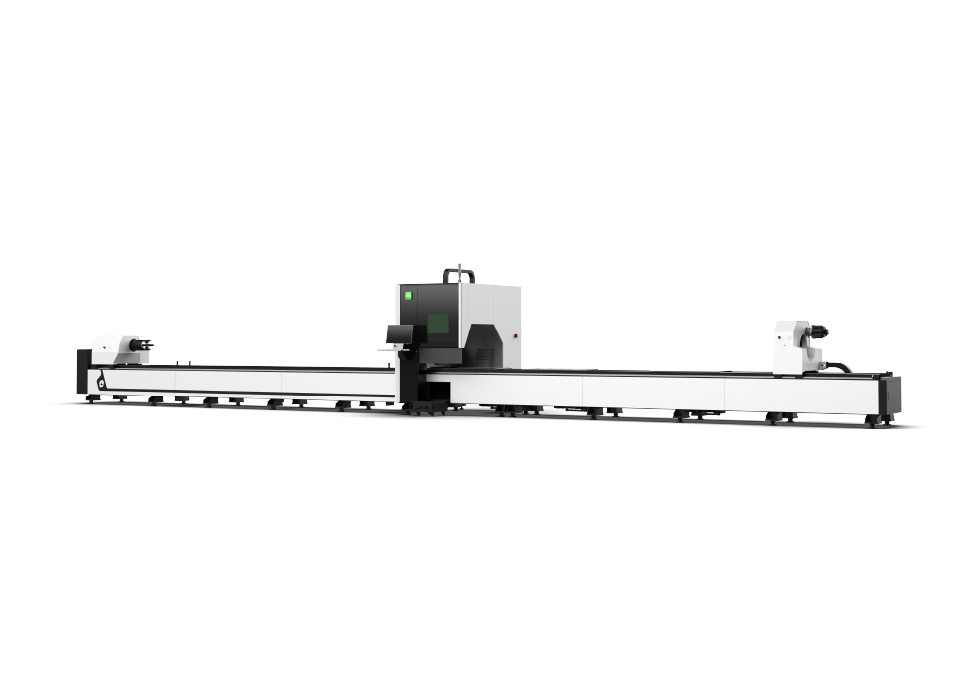
Three-Chuck Heavy-Duty Tube Laser Cutting Machine
Three-chuck Tube Fiber Laser Cutting Machine
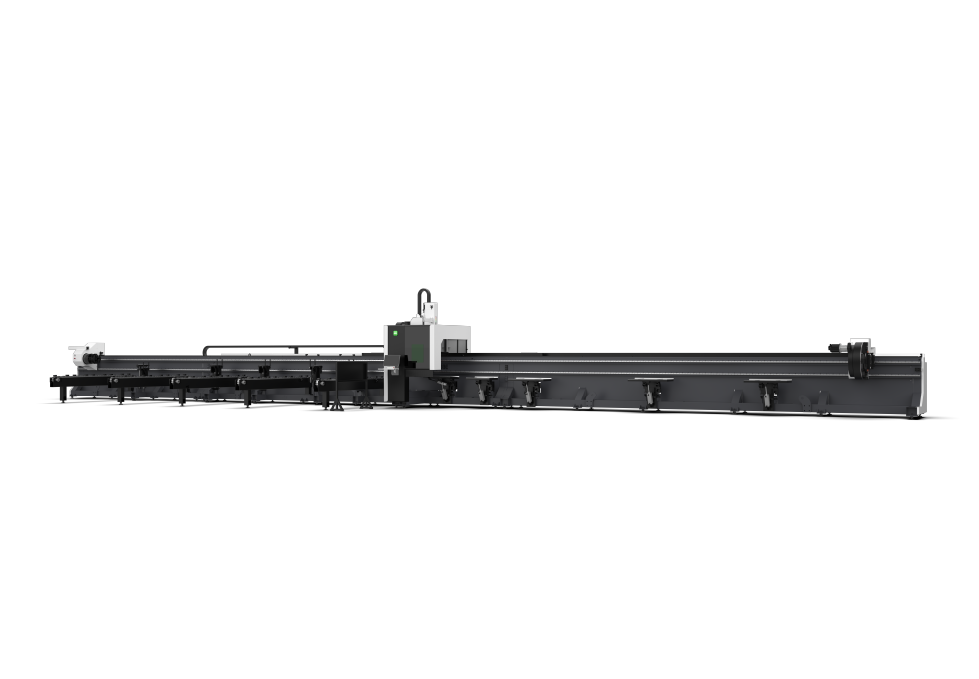
Four-Chuck Fully Floating Fiber Laser Tube Cutting Machine
High-speed Tube Fiber Laser Cutting Machine
Economical laser tube cutting machine
Double-platform Sheet and Tube Fiber Laser Cutting Machine
Efficient Sheet and Tube Fiber Laser Cutting Machine
3D Five-axis Fiber Laser Cutting Machine
1.5-6kW
Automated Profile Loading & Unloading System
Sheet Metal Warehouse Loader/Unloader
Automatic Sheet Metal Loading Device
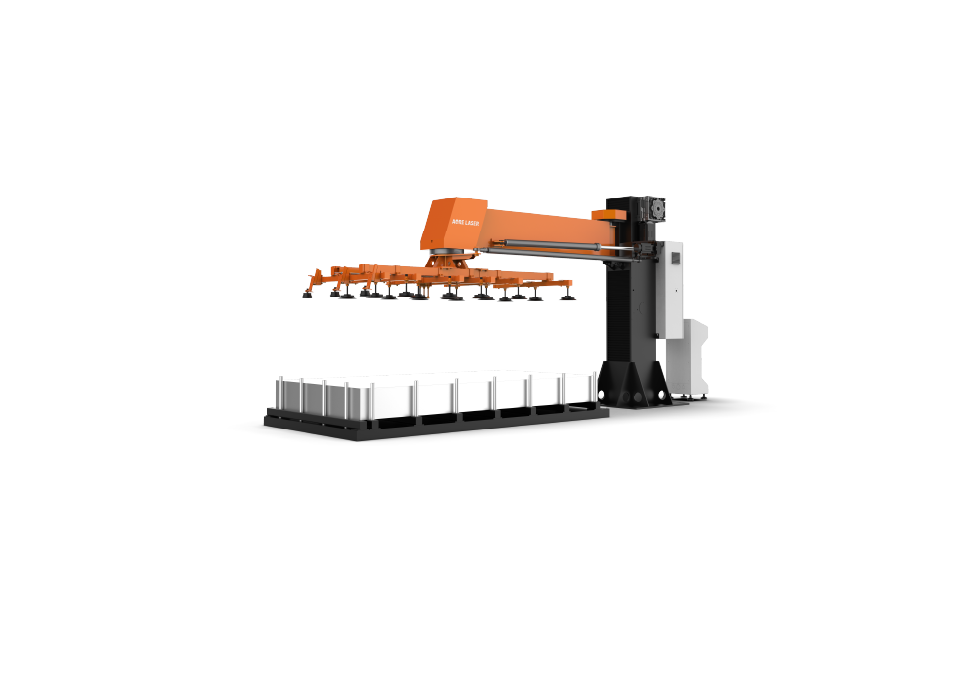
Automatic Cantilever Sheet Metal Loading Device
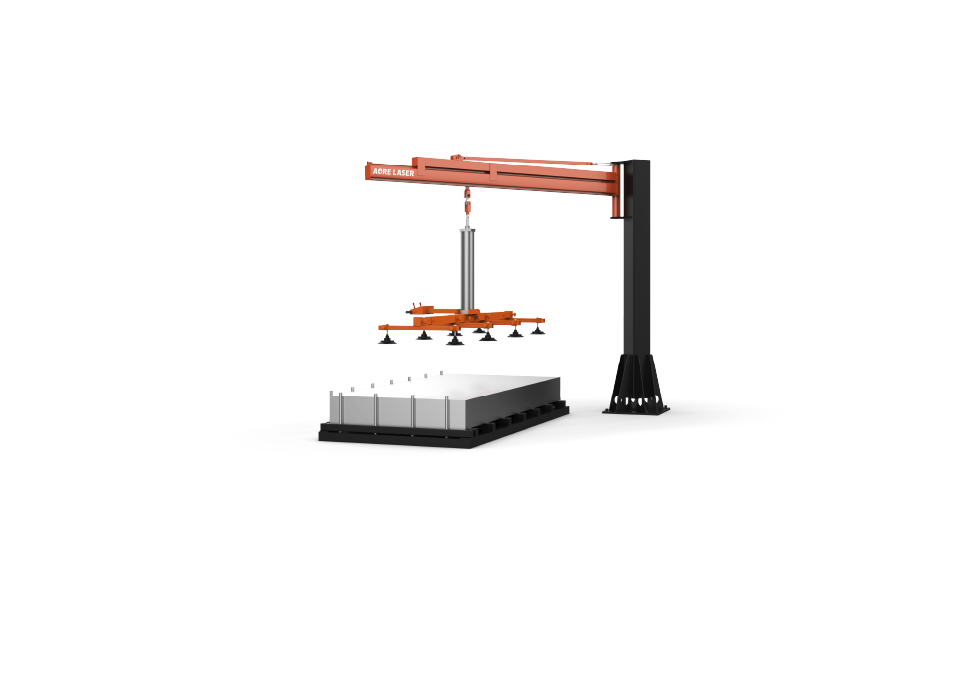
Cantilever Sheet Metal Loading Device
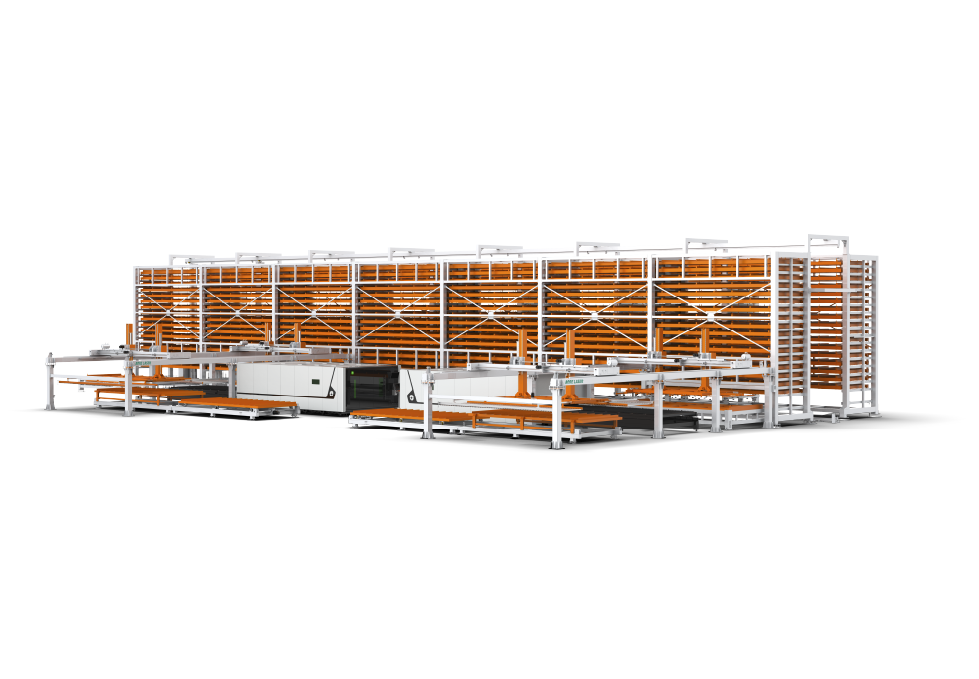
Intelligent Sheet Metal Production Line
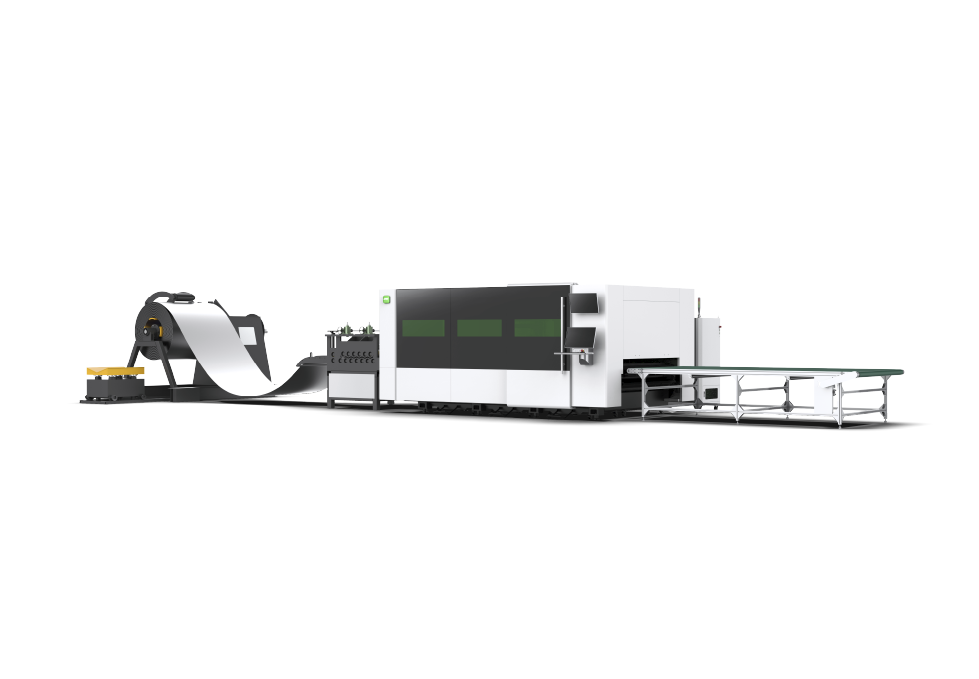
Coil Laser Cutting Production Line
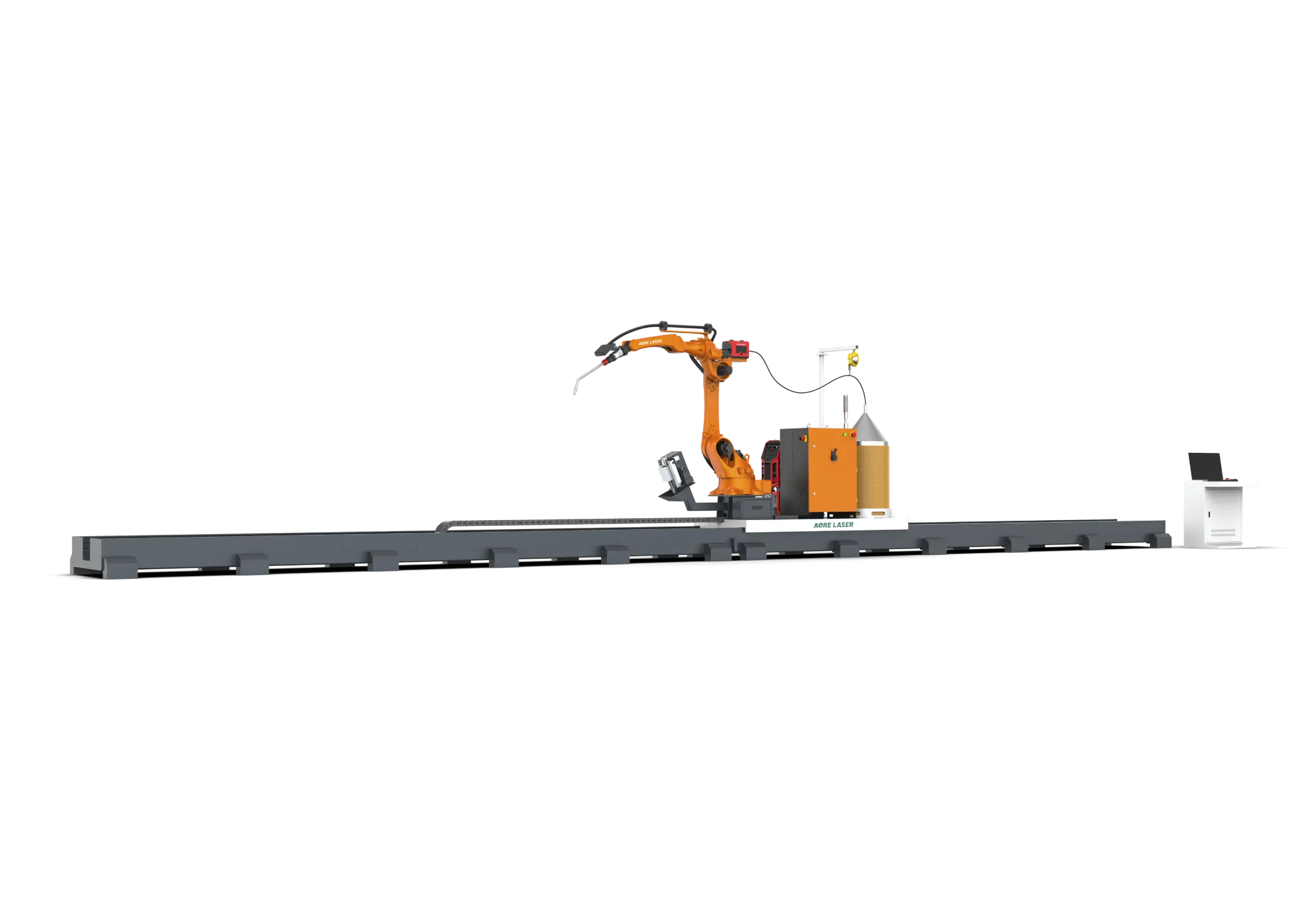
Intelligent Welding Workstation
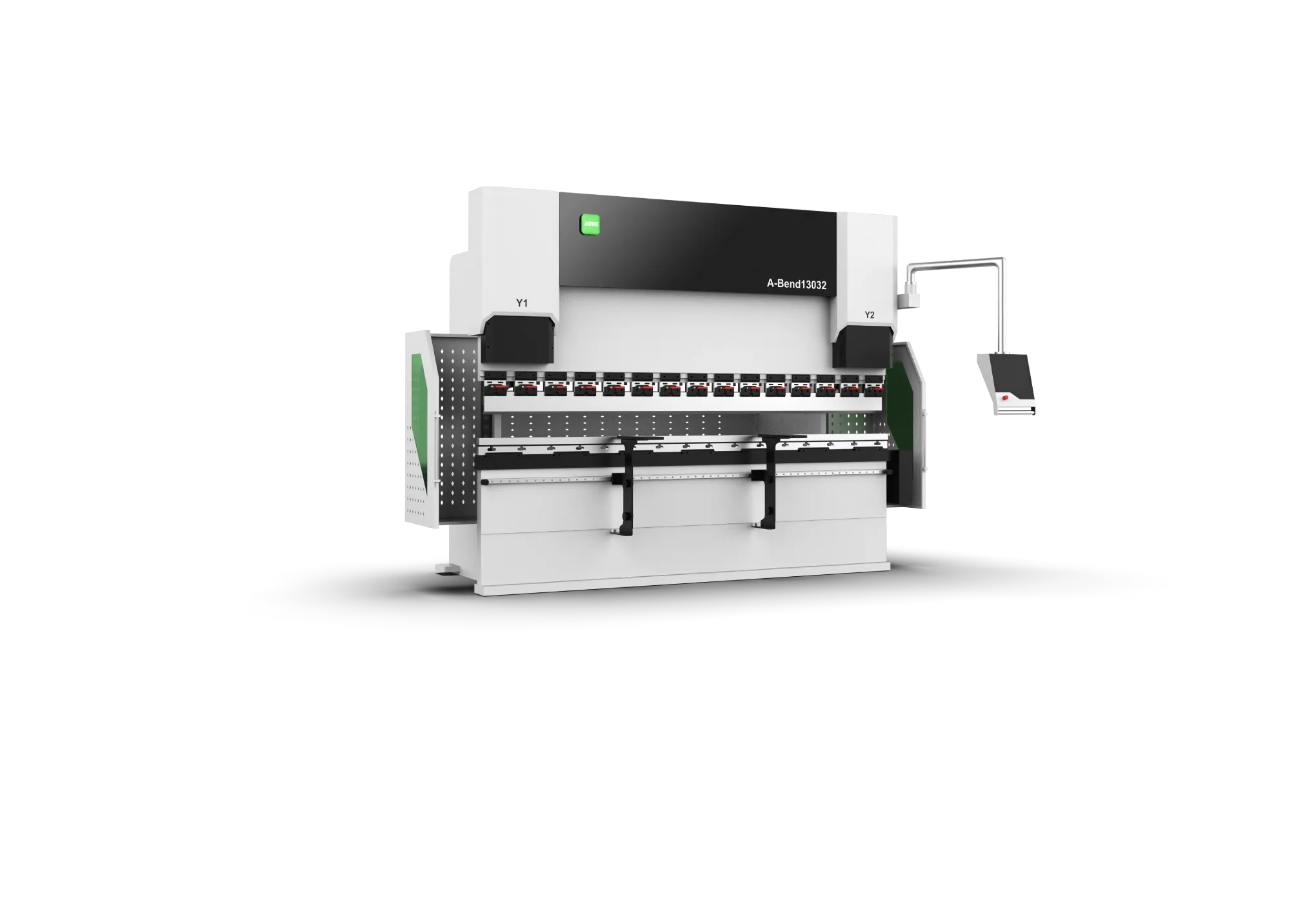
Electro-Hydraulic Servo Press Brake
3kW
Water-cooled Handheld Laser Welding Machine
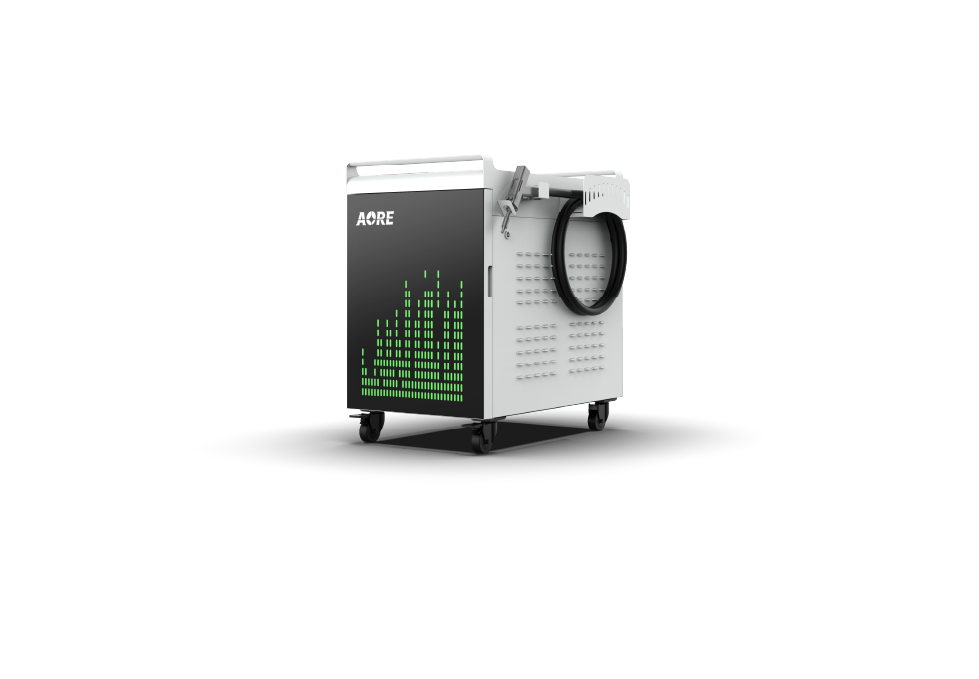
Water-cooled Handheld Laser Cleaning Machine
* Name
* E-mail
* Phone or WhatsApp
* Country
* City
Company
* Cutting Material
* Message
In actual metal processing production, many factories encounter this confusion: laser cutting machines labeled with the same 12kW power output deliver inconsistent cutting results. Some factories achieve high yield rates and stable delivery times, while others face frequent rework and steadily rising production costs.
In reality, the key issue has never been just the "power" specification.
The actual processing quality and production efficiency of a laser cutter are determined by the combined factors of the equipment’s overall performance, process parameter tuning, and daily operational management. Understanding these core factors not only helps businesses avoid pitfalls when purchasing equipment but also enables continuous optimization of machine performance during daily production. This ultimately boosts product yield rates, shortens delivery cycles, and maximizes the return on investment for the equipment.
In laser cutting, different laser source types exhibit significant variations in cutting precision. Common laser cutting machines are categorized by laser type into CO₂ laser cutters, fiber laser cutters, and crystal laser cutters. While CO₂ lasers may not perform well on metals, they excel at cutting non-metallic materials like wood, acrylic, and plastics, making them ideal for signage, textiles, and woodworking industries.
Fiber lasers currently dominate the market, offering significant advantages over traditional CO₂ lasers in electro-optical conversion efficiency, maintenance costs, and stability. Fiber lasers can focus into a smaller spot size, making them more suitable for cutting metals like steel and aluminum. They are widely favored in industries demanding high output and precision, such as automotive and aerospace.
The quality of the laser beam output is a fundamental factor affecting processing precision. The shape, spot size, and stability of the laser beam are all closely related to processing accuracy. Generally, smaller spot sizes, finer beams, and better stability lead to higher cutting precision.
The power of a cnc laser cutter determines the maximum material thickness it can cut and its theoretical cutting speed. Higher-power lasers typically offer greater cutting capacity for thicker materials, but this often comes at the cost of reduced precision. At high powers, the energy distribution and interaction of the laser beam become harder to control precisely. Therefore, higher power does not necessarily equate to higher overall efficiency. If a company primarily processes thin sheets yet blindly selects an ultra-high-power laser cutting machine, it may incur higher electricity consumption, greater initial investment, and more complex maintenance requirements. Choosing AORE means gaining professional power recommendations based on actual material structures and order types.
Computer numerical control (CNC) programs directly influence cutting paths, speeds, and overall precision. Poorly optimized CNC programs result in inefficient cutting, leading to poor edge quality, overheating, or material waste. Superior motion control algorithms ensure stable precision even at high speeds. The AORE system incorporates a mature process database and provides training support to help customers quickly master optimal operating methods.
A rigid frame minimizes vibration and deformation during high-speed movements. Insufficient precision in guideways and transmission systems directly contributes to dimensional errors. Inadequate rigidity in the metal laser cutting machine's bed can cause accuracy drift after prolonged operation. This not only compromises individual part precision but also affects batch consistency, increasing costs and potentially damaging corporate reputation. Fortunately, AORE employs a high-strength welded bed in its mechanical design and undergoes rigorous factory calibration to ensure long-term stable performance.
Parameters set during the cutting process—such as speed, power, and focus—directly impact cutting precision. Improper settings may cause slag adhesion, rough cross-sections, overburning, or incomplete penetration. Optimal parameters not only enhance cutting quality but also influence energy consumption and efficiency. AORE provides a mature parameter library and remote optimization support to help customers quickly achieve the best results.
Surface oil, uneven reflectivity, or thickness variations in materials can compromise cutting precision stability. Thicker materials require higher power for cutting, which may sometimes reduce accuracy. Highly reflective materials like aluminum reflect the laser beam, causing energy loss and inconsistent cuts. This necessitates adjusting laser settings or using anti-reflective coatings.
Auxiliary gases like oxygen, nitrogen, and air serve cooling, slag removal, and chemical reaction functions during cutting. Gas type significantly impacts cut quality:
Nitrogen (N₂): Produces clean cross-sections, ideal for stainless steel.
Oxygen (O₂): Suitable for carbon steel, offers high speed but creates an oxide layer.
Air: Low-cost option, but cross-section quality is limited.
Selecting appropriate gases balances quality and cost.
Regular calibration and maintenance are critical for maintaining precision and ensuring consistent, stable output. Well-calibrated and maintained machines deliver consistent, high-quality cuts, minimize post-processing needs, and extend equipment lifespan. Conversely, neglecting maintenance can lead to unstable cutting, increased rework rates, and higher downtime risks. AORE provides preventive maintenance recommendations and remote support services to help customers maintain optimal equipment performance over the long term.
Environmental factors such as ambient temperature and humidity must not be overlooked, as they impact both the laser cutting machine and the materials being cut. High temperatures can affect the laser's cooling system, while high humidity may interfere with auxiliary gases or cause condensation on mirrors and lenses, thereby compromising beam quality.
In actual production, many companies hold the misconception that cutting precision is entirely determined by the equipment's grade. However, this is not the case. Even with the same cutting equipment, the final cutting results can vary significantly depending on the factory's operational management level. Maintaining consistent cutting precision is not solely a technical issue but also reflects a factory's comprehensive management capabilities. Below are several precision optimization methods proven effective in actual factory production.
It is crucial to recalibrate the cutting machine settings each time materials are changed. Even two seemingly similar materials can exhibit significant differences in their properties.
Proper adjustment of the metal laser cutting machine's rotational speed is critical for precision. If the cutting speed is too fast, the laser may not deliver sufficient energy to the material, resulting in incomplete patterns or insufficient cutting depth.
Conversely, excessively slow cutting speeds prolong laser exposure time, increasing laser intensity. The resulting overheating can damage the workpiece and significantly reduce processing precision. Before formal engraving, conduct tests on a small material sample and adjust laser cutting settings based on the results.
The workbench significantly impacts cutting precision. For projects demanding high accuracy and tight tolerances, nothing undermines final product quality more than an unstable work surface. Imagine if the workbench shakes during operation or the machine's structure itself is unstable—no matter how precise the laser cutter or how well-optimized the parameters, the final product's cutting accuracy will be severely compromised.
Only by mastering the key factors affecting laser cutting can you truly control costs and quality. To enhance laser cutting quality and efficiency, equipment, process, and management must work in perfect harmony. Understanding these critical points will make your equipment selection more rational and your production management more efficient. For custom fiber laser cutter selection advice, feel free to reach out to the AORE technical team. We will provide professional support and solutions tailored to your actual production needs.
1. Is CO2 laser better than fiber?
It depends on the application. CO₂ lasers are well suited for non-metal materials such as wood, acrylic, and plastics. Fiber lasers provide better performance. For most metal fabrication applications, fiber lasers are the mainstream choice.
2. Do lasers degrade over time?
Yes, lasers experience performance degradation over extended periods of use. As fiber optics and laser tubes age, and optical components degrade, their power output, efficiency, and beam quality all diminish. Therefore, it is crucial to prioritize routine maintenance, ensure adequate heat dissipation to prevent overheating, and avoid continuous operation at maximum power to prolong the laser's service life.
3. How long do laser cutters last?
The lifespan of fiber lasers can reach up to 100,000 hours (about 10 to 15 years or more). Proper maintenance can extend their lifespan as much as possible. Although the laser may last that long, mechanical components may require maintenance or replacement sooner.
4.How to choose the auxiliary gas for a fiber laser cutting machine?
Selecting auxiliary gases requires comprehensive consideration of material type, cutting quality requirements, and cost. Prioritize gas selection based on material properties, then adjust based on quality demands and economic factors. For specific guidance, consult AORE's technical experts.
5. How to avoid burrs in laser cutting?
The following measures can be taken to resolve the issue:
Fine-tune the cutting speed and power to find the optimal settings.
Replace the cutting assist gas with a high-quality alternative.
Inspect and ensure the laser is properly focused.
AORE-FIMAQH Argentina 2025
AORE Laser Completed FEIMEC 2026 Brazil with Fiber Laser Cutting Machines
Aorelaser uses "Essential Cookies" to ensure the operation of the website, while others help us improve your user experience. By clicking "Accept All", you agree to our use of all cookies. You can also change your cookie settings by going to your preferences. For more information about cookies, please see our Cookie Policy.(The data storage period is 7 days)
Essential cookies enable basic functionality and are necessary for the website to work properly.
Preference cookies allow websites to remember your choices (such as language preference) and provide a more personal experience.
Statistics cookies collect information anonymously. This information helps us understand how our visitors use our website.
Marketing cookies are used by third parties or publishers to display personalized advertisements. This is done by tracking visitors across websites.