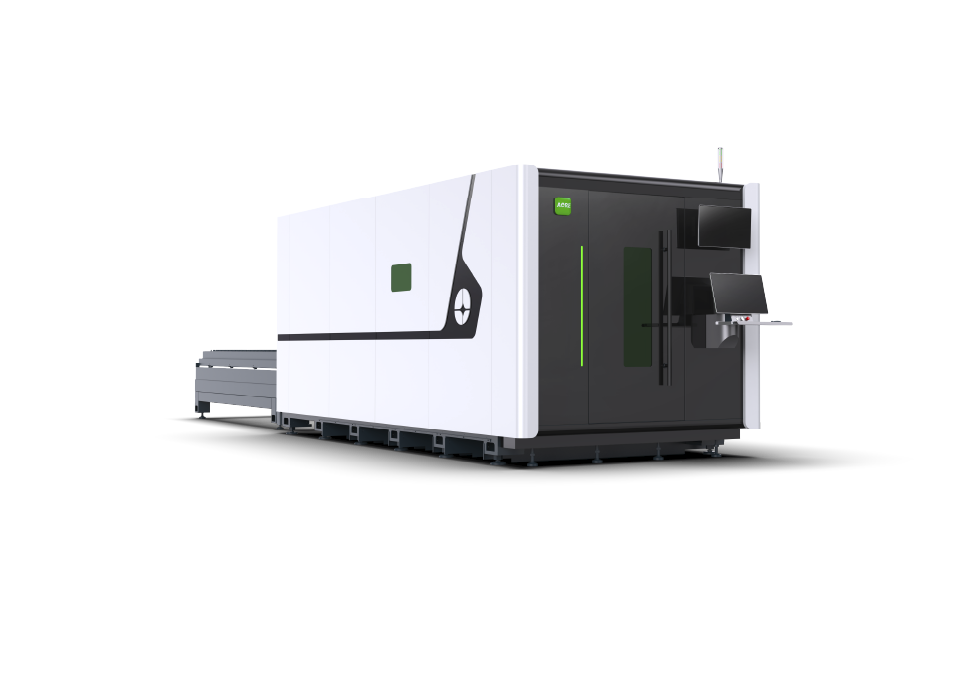
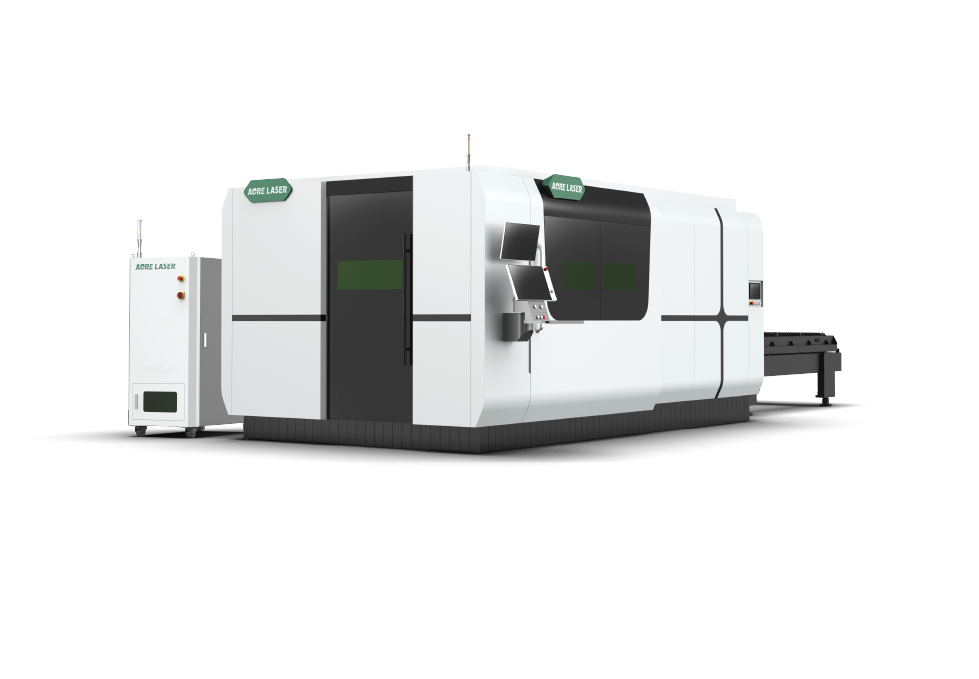
3-12kW
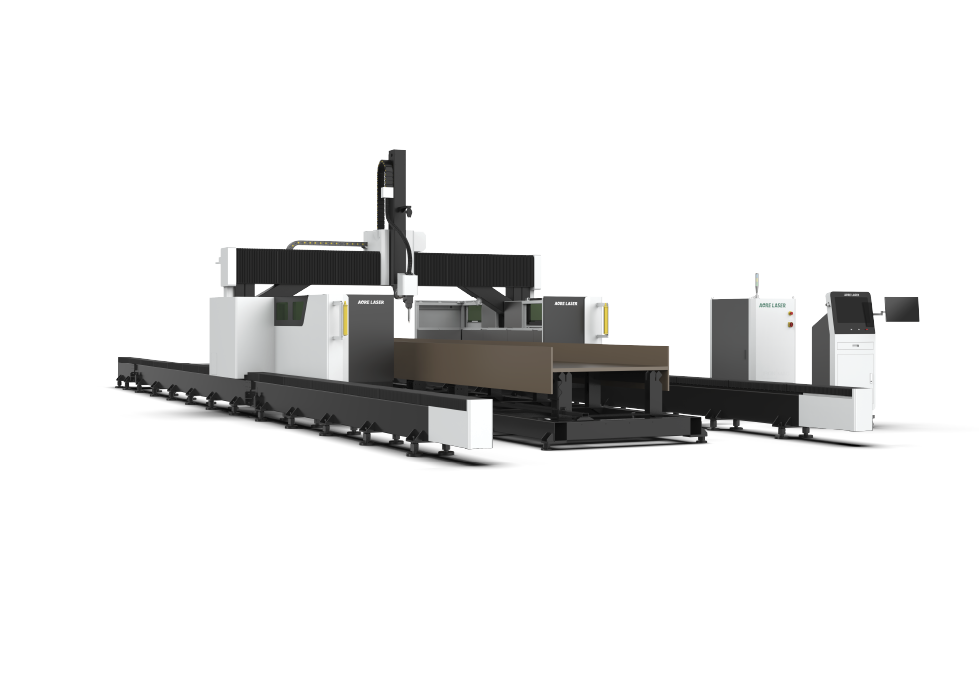
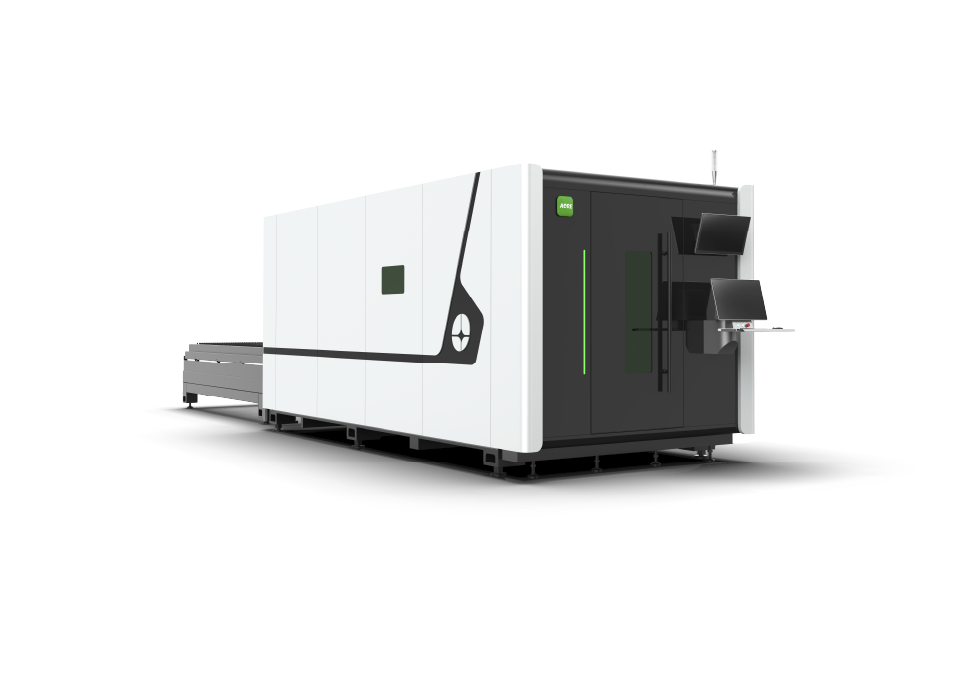
12-40kW
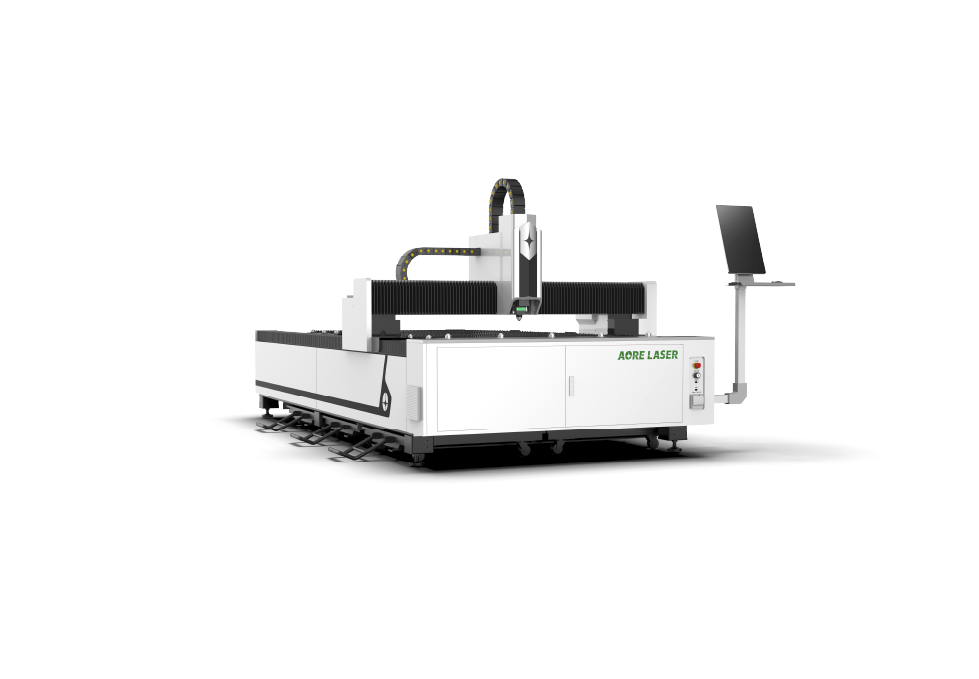
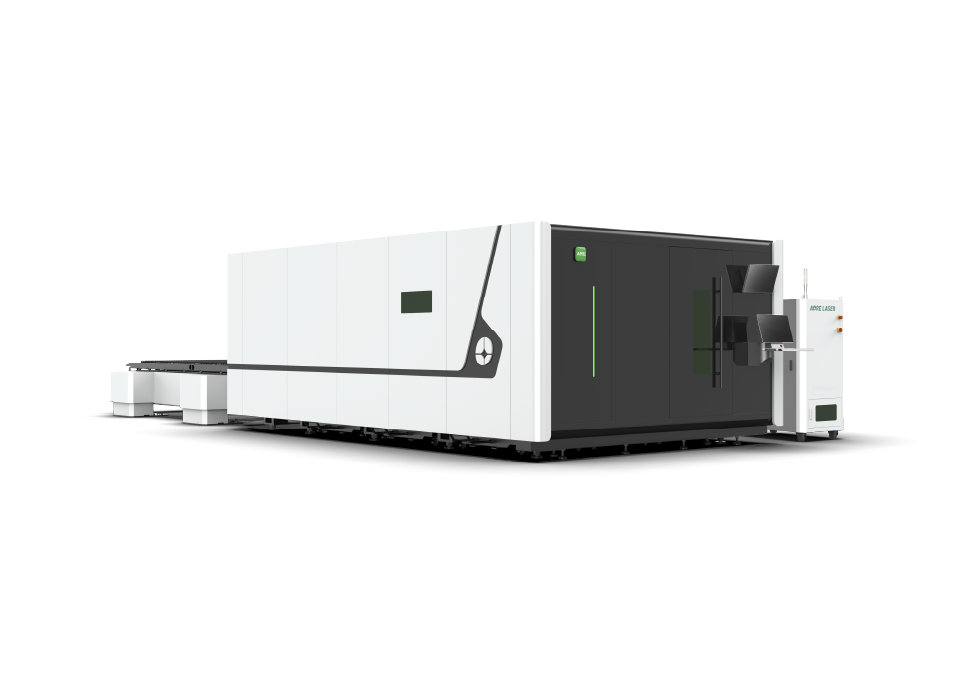
1.5-20kW
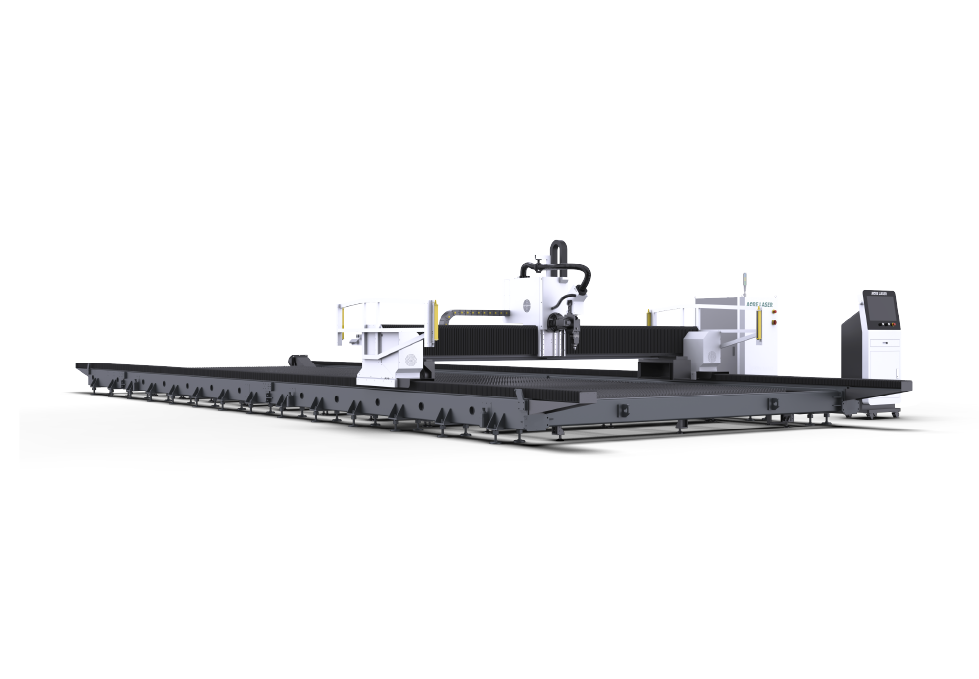
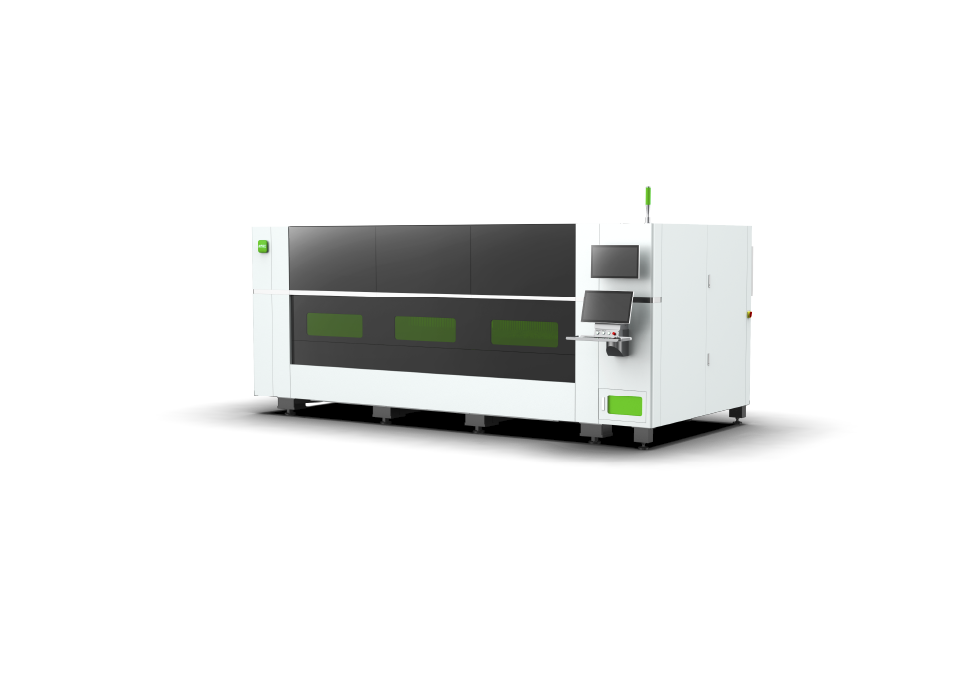
6-60kW
6-40kW
1.5-40kW
8-40kW
1.5-12kW
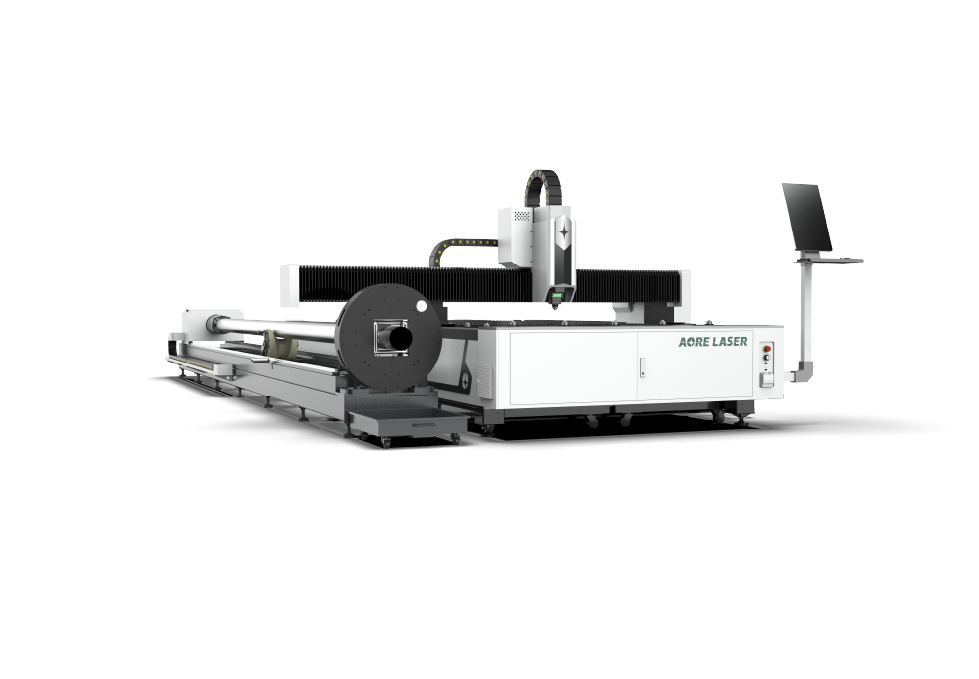
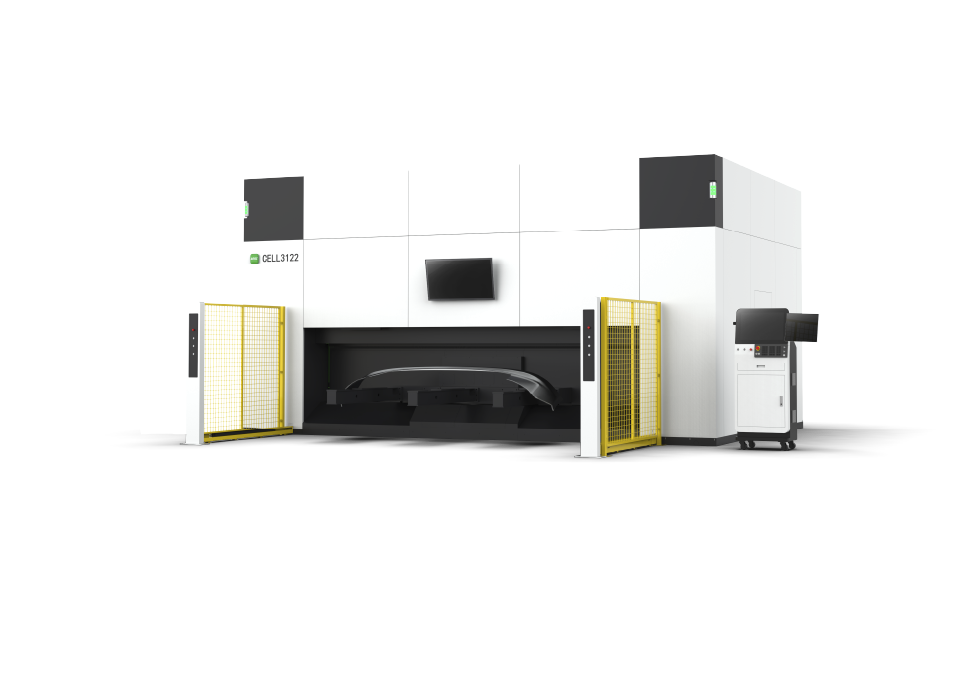
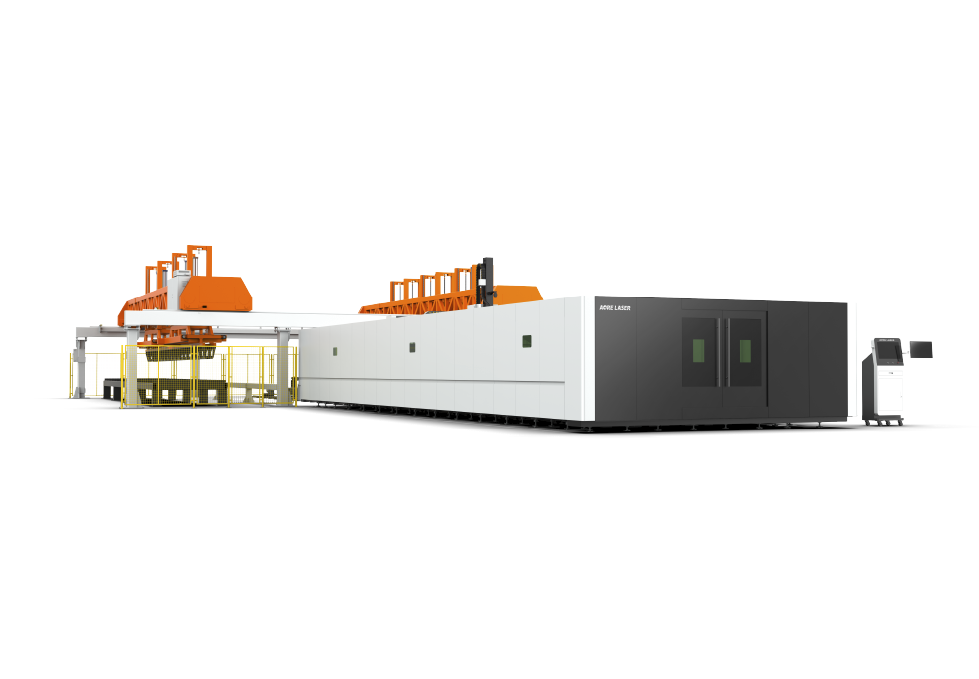
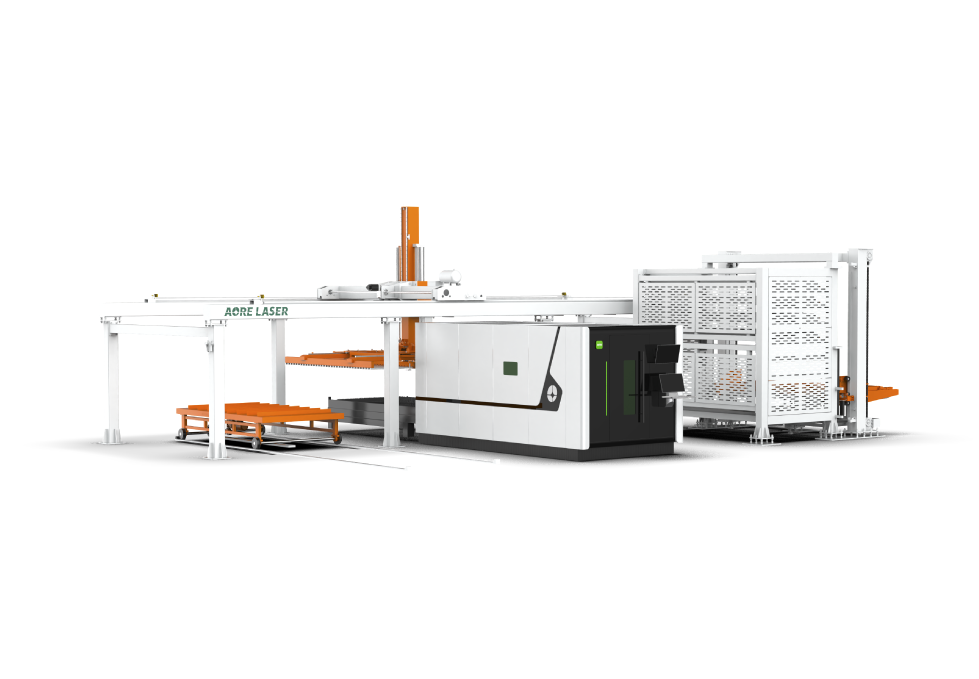
Fully-Protective High-Speed Sheet Laser Cutting Machine
All-In-One Fiber Laser Cutting Machine
Single platform plate laser cutting machine
Ground-rail Sheet Fiber Laser Cutting Machine
High-speed Sheet Fiber Laser Cutting Machine
High power sheet laser cutting machine
Full-protective Fiber Laser Bevel Cutting Machine
Precision sheet metal laser cutting machine
1.5-3kW
6-12KW
6-20kW
1-3KW
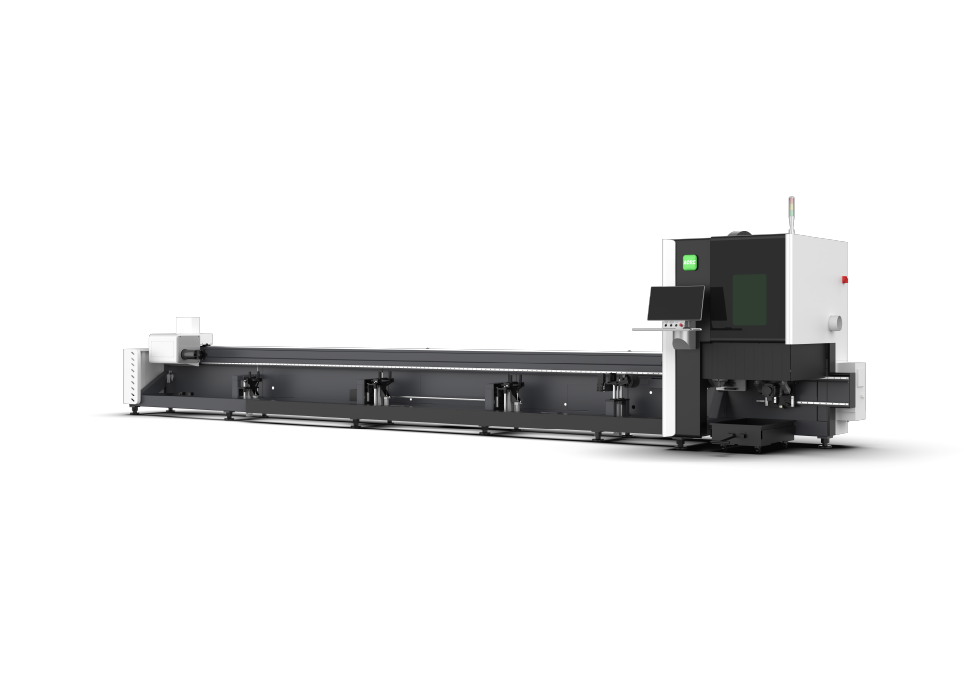
3D Beveling High-Speed Laser Tube Cutting Machine
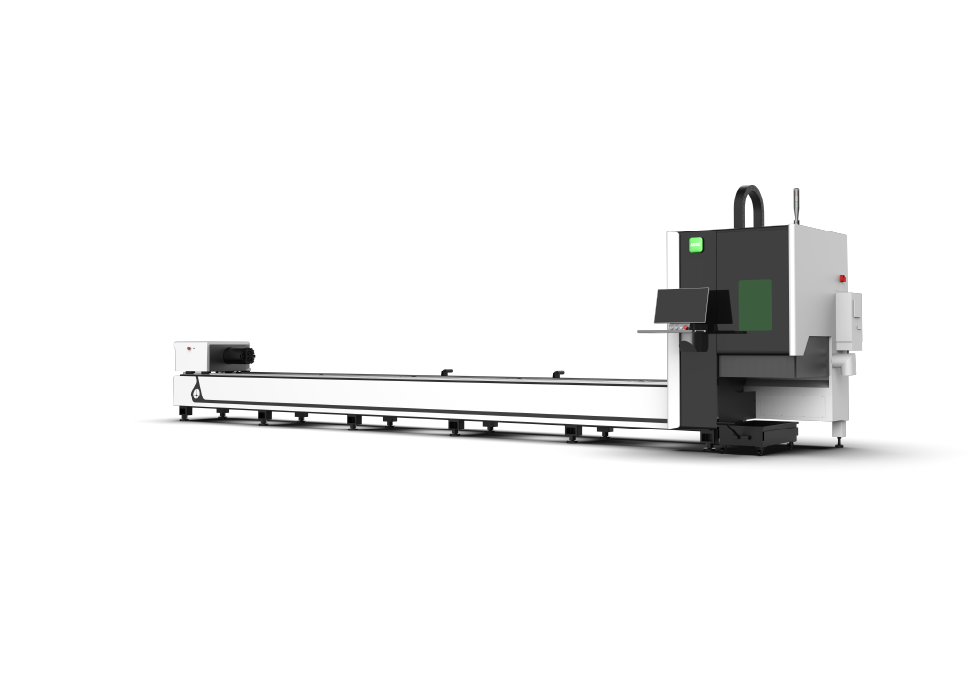
High-speed Tube Laser Cutting Machine
Efficient Tube Fiber Laser Cutting Machine
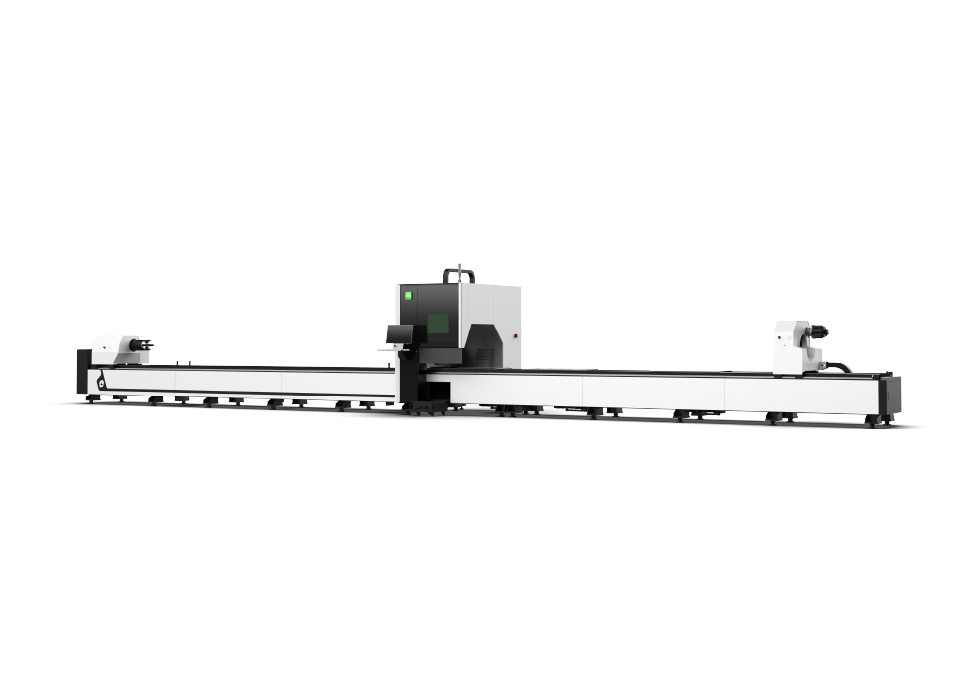
Three-Chuck Heavy-Duty Tube Laser Cutting Machine
Three-chuck Tube Fiber Laser Cutting Machine
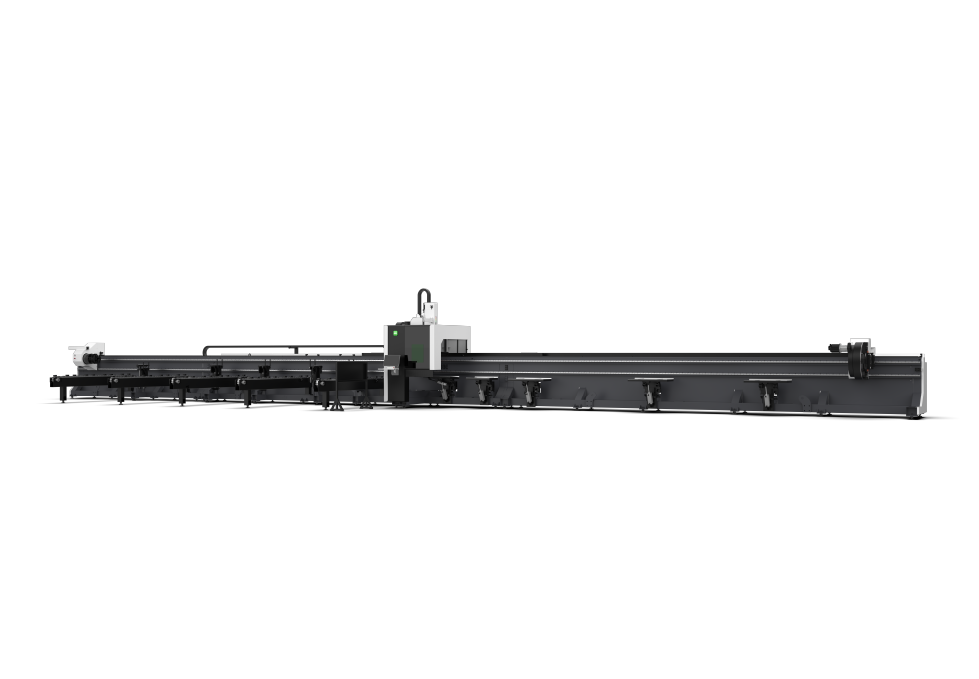
Four-Chuck Fully Floating Fiber Laser Tube Cutting Machine
High-speed Tube Fiber Laser Cutting Machine
Economical laser tube cutting machine
Double-platform Sheet and Tube Fiber Laser Cutting Machine
Efficient Sheet and Tube Fiber Laser Cutting Machine
3D Five-axis Fiber Laser Cutting Machine
1.5-6kW
Automated Profile Loading & Unloading System
Sheet Metal Warehouse Loader/Unloader
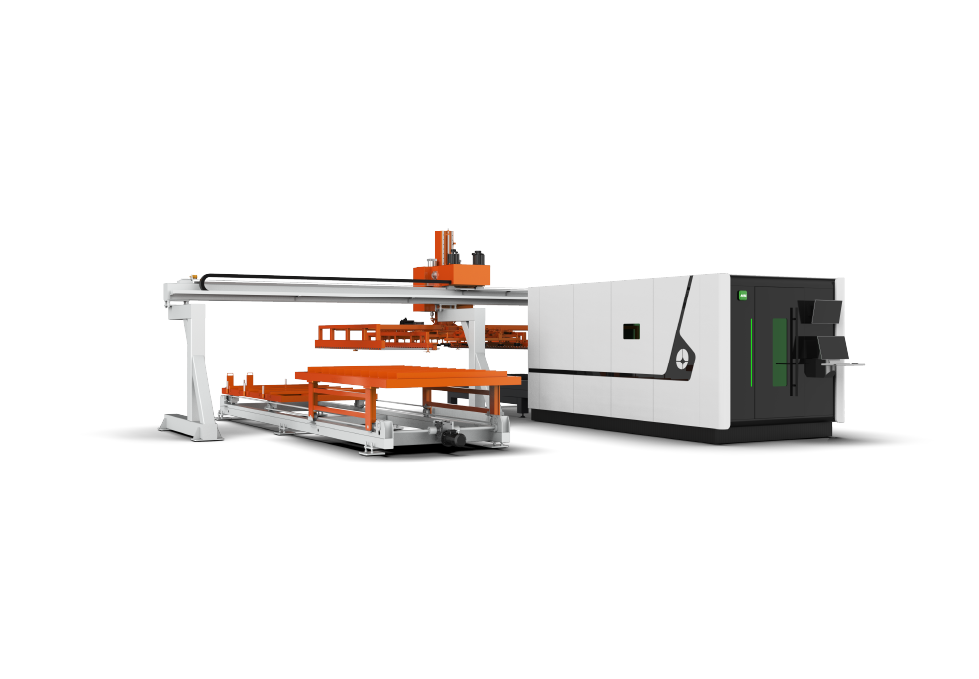
Automatic Sheet Metal Loading Device
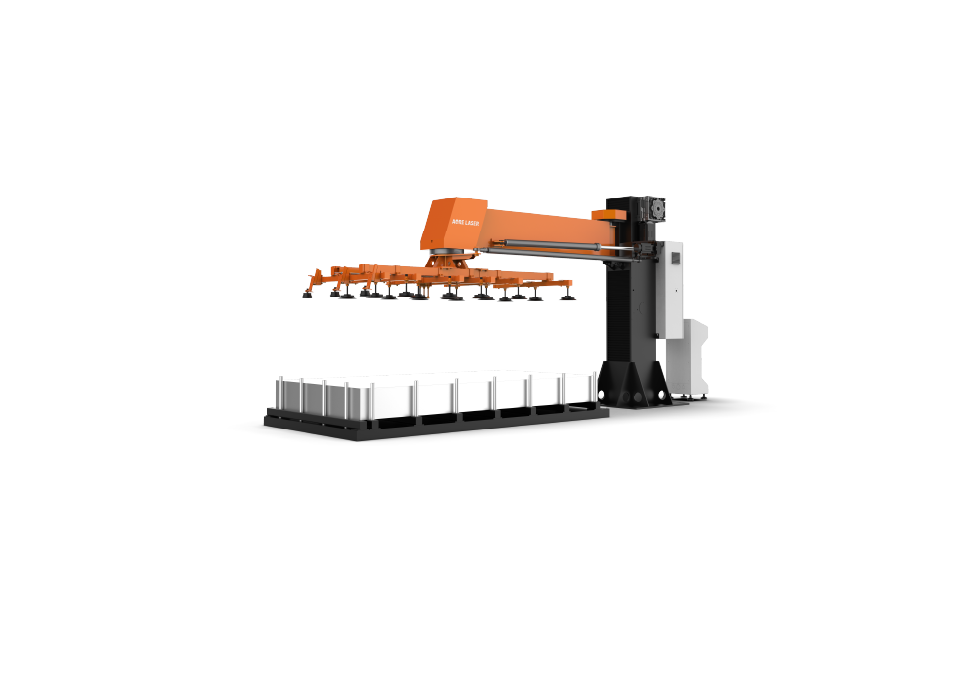
Automatic Cantilever Sheet Metal Loading Device
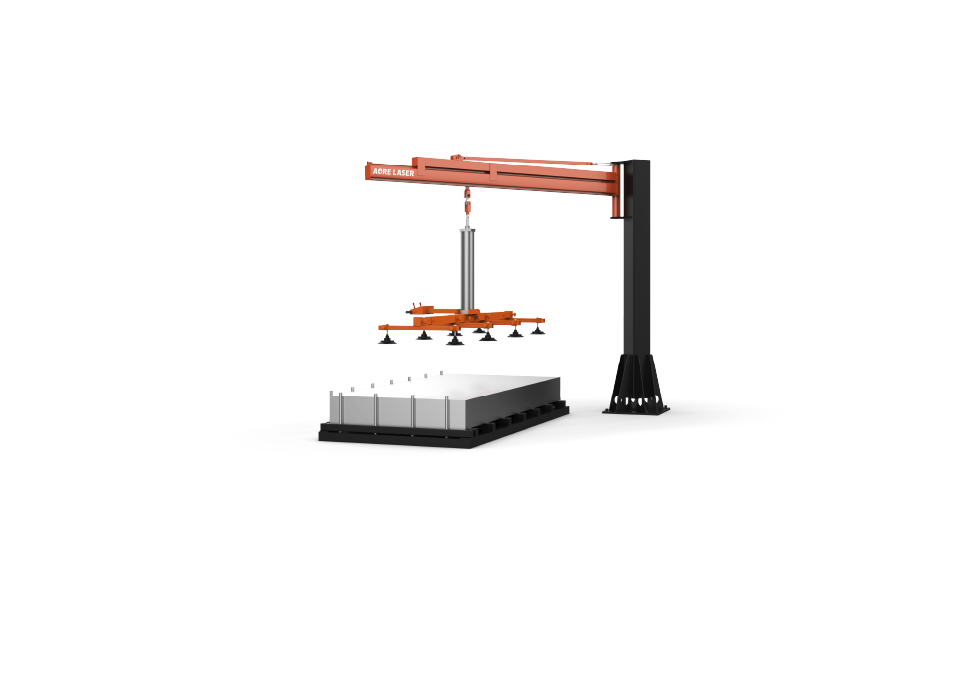
Cantilever Sheet Metal Loading Device
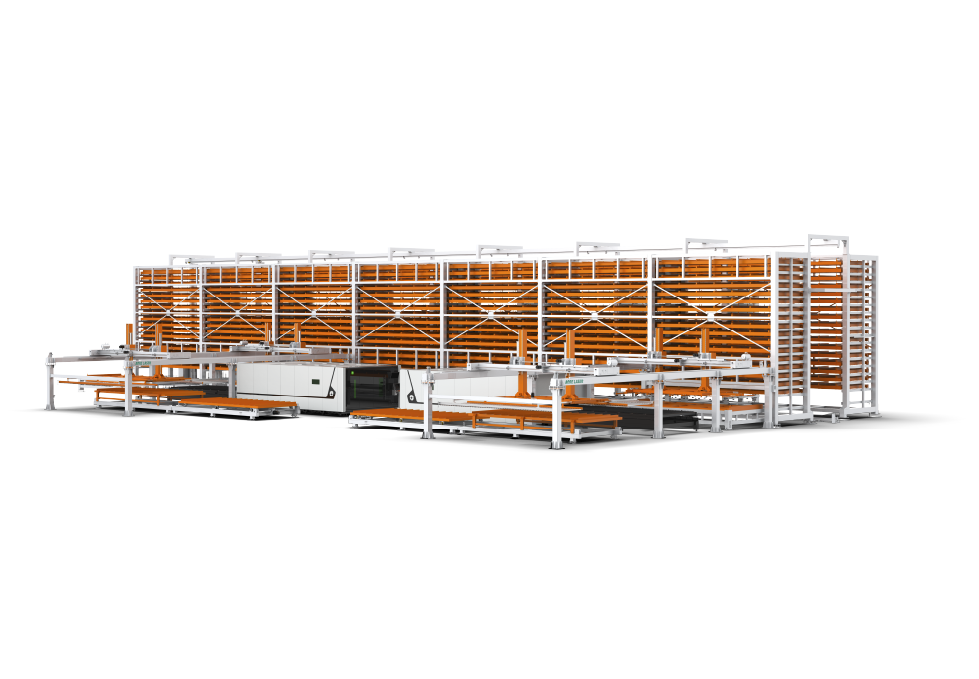
Intelligent Sheet Metal Production Line
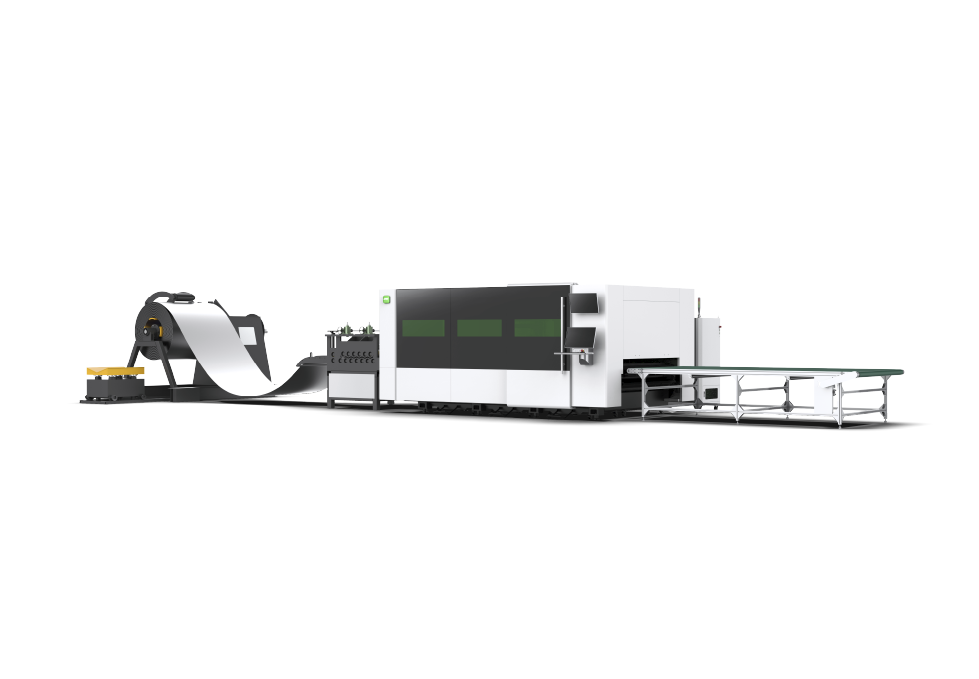
Coil Laser Cutting Production Line
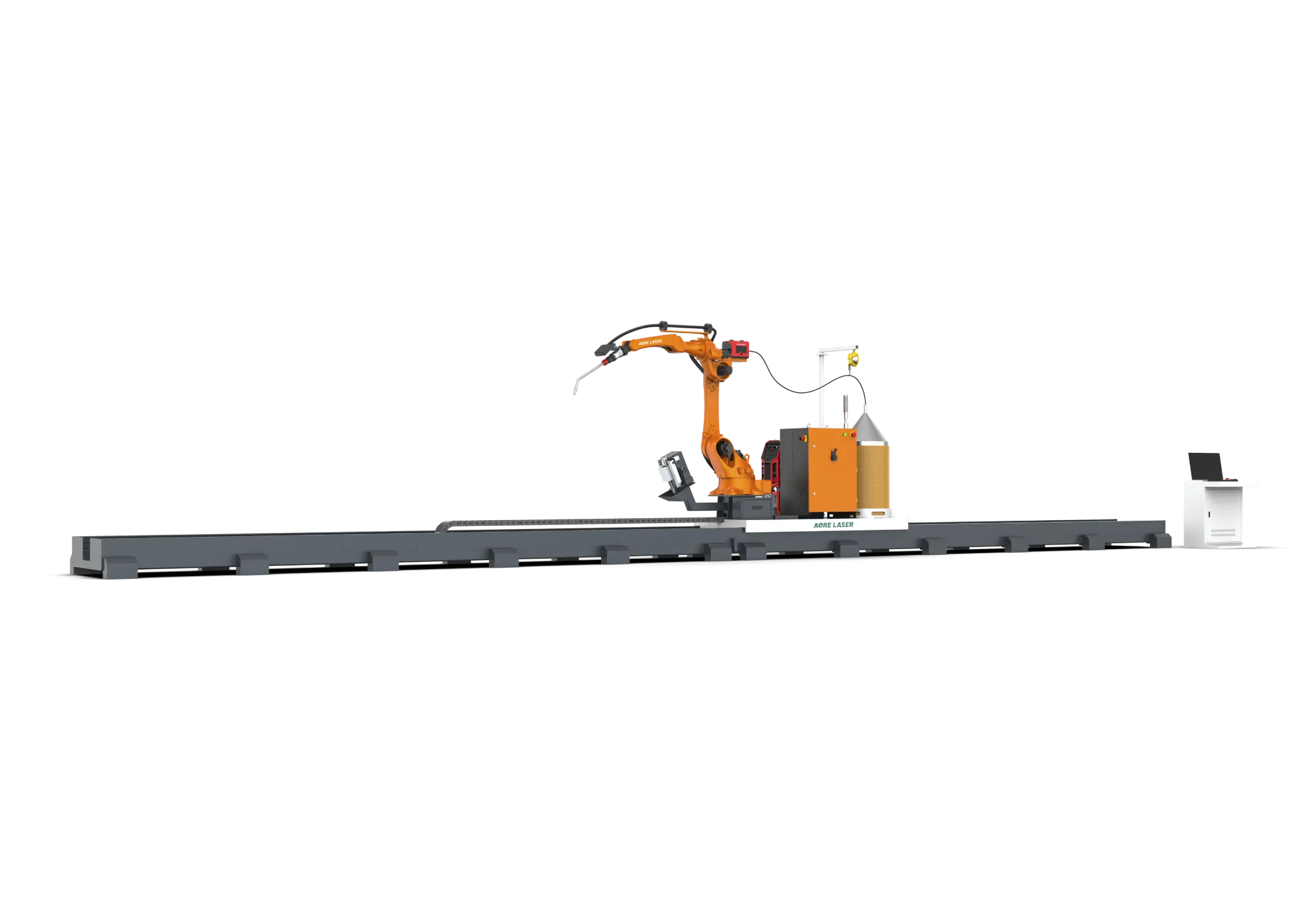
Intelligent Welding Workstation
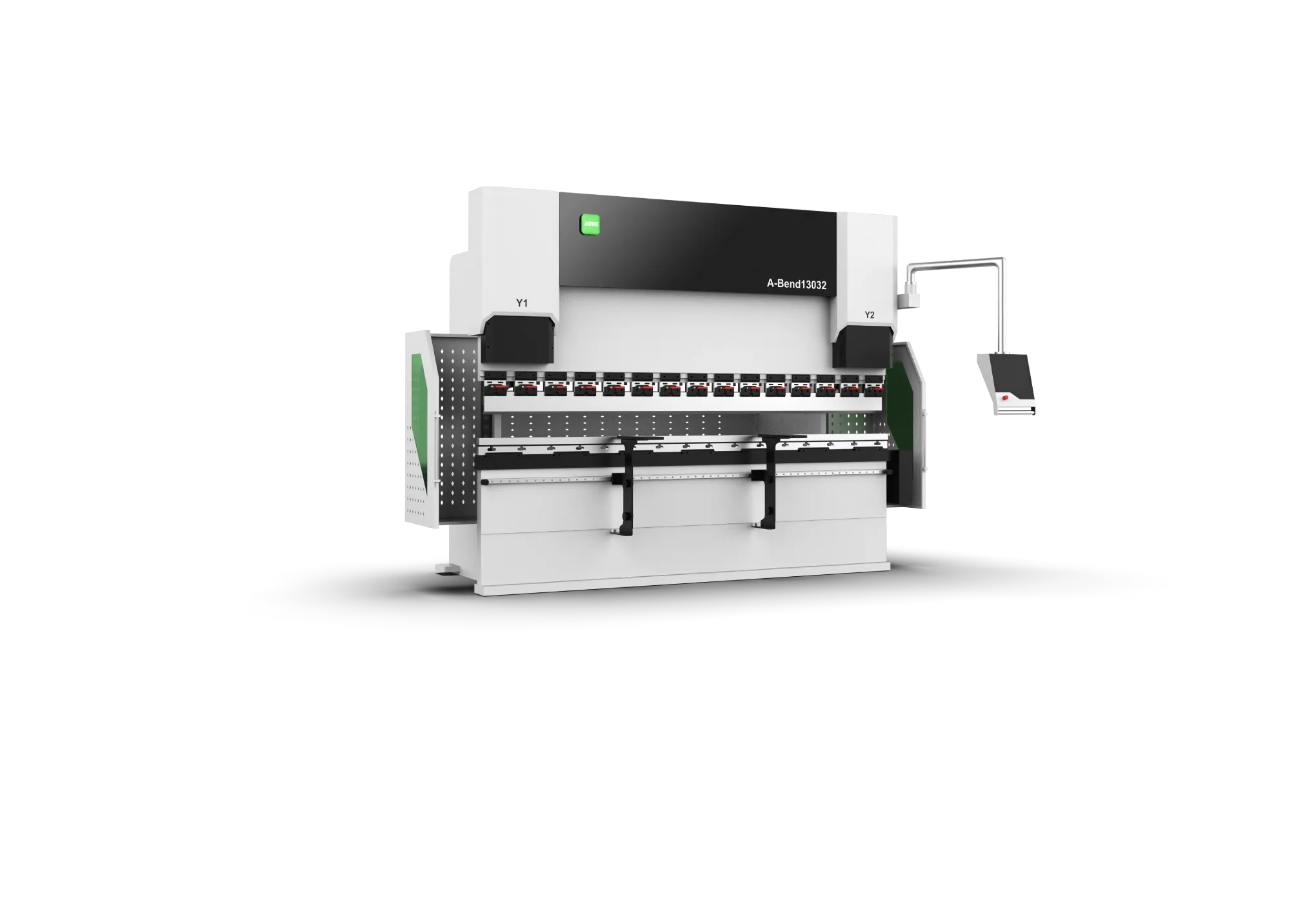
Electro-Hydraulic Servo Press Brake
3kW
Water-cooled Handheld Laser Welding Machine
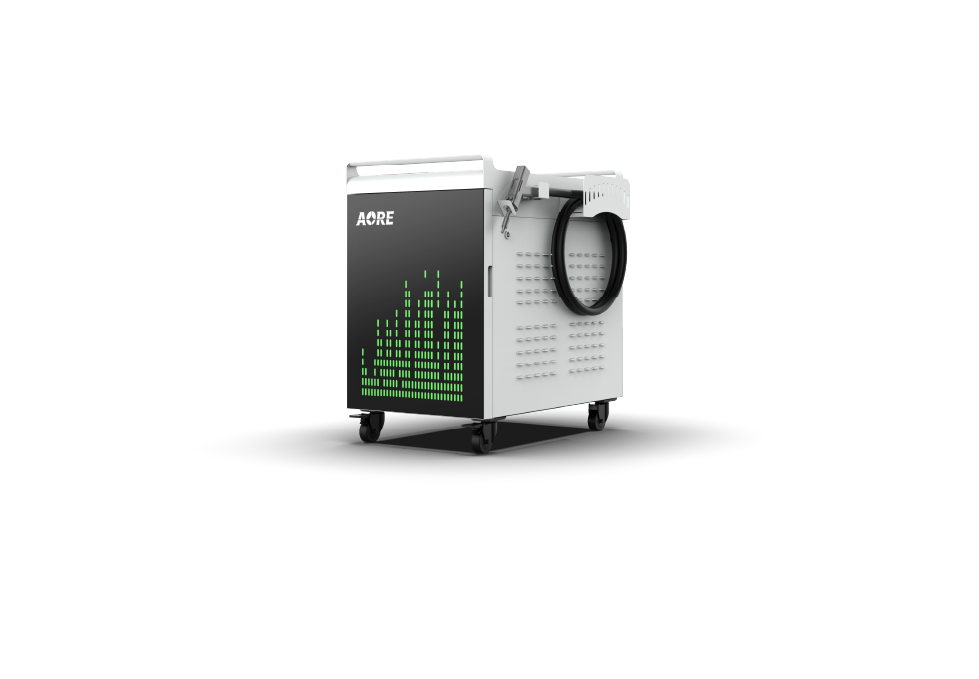
Water-cooled Handheld Laser Cleaning Machine
* Name
* E-mail
* Phone or WhatsApp
* Country
* City
Company
* Cutting Material
* Message
When selecting a laser cutting machine, determining the appropriate laser power is a common dilemma for all sheet metal processing manufacturers.
Many people mistakenly believe that a higher power is always better. However, in actual production, the suitability of the power depends on the material type, sheet thickness, and daily processing methods. Choosing an unreasonable power setting may increase costs without delivering significant benefits. This article provides a brief overview of the suitability of different power levels for sheet metal cutting from a practical processing perspective, serving as a reference for sheet metal processing users.
Choosing the right fiber laser cutting machine is like finding a partner. What you need is a reliable, high-performance partner that delivers results in the long run and helps you make money—not a flashy piece of equipment with impressive specs that always lets you down when it matters most. Rather than starting with the machine's specifications, begin by considering your processing requirements.
Material Types: Stainless steel, carbon steel, aluminum, and copper respond differently to laser power. Stainless steel and aluminum require higher power than carbon steel of equivalent thickness. When cutting aluminum sheets, a 3kW machine may “feel” less powerful than when cutting carbon steel.
Your Business Mix: Do you specialize in one thickness, or handle mixed-thickness orders? If 80% of your orders involve thin sheets under 3mm, an ultra-high-power machine would be a massive energy waste and depreciation burden. Conversely, if you often cut plates over 20mm thick, investing in high power is essential.
Desired Speed and Throughput: Power directly determines cutting speed. For 6mm carbon steel, a 1kW machine might barely cut it at a painfully slow pace, while a 3kW machine can fly through the cut. Time is money—higher throughput means more orders and faster equipment payback.
Edge quality requirements: If your parts require direct welding or serve as visible components, with strict demands on surface roughness, perpendicularity, and slag adhesion, increasing power appropriately is wise. Higher power allows for better parameter combinations to elevate quality.
Selecting fiber cutting laser machine power isn't solely about thickness. Ignoring the above factors could still lead you to purchase the wrong equipment.
The power of a sheet metal laser cutter not only determines “whether it can cut” but also affects cutting speed, edge quality, processing stability, energy consumption and costs, as well as the long-term operational efficiency of the equipment.
Too low power may result in incomplete cuts or slow speeds.
Too high power often does not significantly improve efficiency when processing thin sheets.
Therefore, understanding actual processing requirements is more crucial than simply pursuing high power.
Not necessarily. In most sheet metal workshops, processing primarily involves thin and medium-thin sheets. Production efficiency is often constrained by material handling.
Ultra-high-power metal laser cutter do not markedly increase overall output. At the same time, high-power equipment typically entails higher capital investment, electricity costs, and maintenance demands. A reasonable power configuration often aligns better with practical needs than the “bigger is better” approach.
The thickness that a laser cutting machine can cut is greatly affected by the laser power and the type of material; the higher the power, the thicker the material can be cut.
1 mm to 5 mm: Lasers ranging from 1.5 kW to 3 kW are typically sufficient for cutting thin sheets like stainless steel, aluminum, and carbon steel.
Medium-thickness plates (5 mm to 15 mm): For cutting medium-thickness metals like thicker steel plates or alloys, lasers in the 6 kW to 12 kW range are typically used.
Thick plates (15 mm and above): Cutting thick plates of metals like stainless steel or low-carbon steel exceeding 15 mm in thickness requires lasers with 12 kW or higher power.
This range is more suitable for daily continuous production, offering a relatively balanced cut quality and efficiency.
The physical and chemical properties of different materials vary significantly, directly affecting the ease of laser cutting. Therefore, cutting different metal plates of the same thickness presents different levels of difficulty and requires varying amounts of power.
Carbon Steel
Characteristics: Carbon steel is one of the most common and easiest materials to laser cut, featuring good thermal conductivity and a low melting point.
Cutting Difficulty: Relatively low, but heat input must be carefully controlled to prevent deformation from overheating.
Recommendation: Use a medium-power laser, adjust cutting speed and gas flow to ensure quality cuts.
Stainless Steel
Characteristics: Stainless steel offers high corrosion resistance and hardness, with high reflectivity. Typically demands high edge consistency.
Cutting Difficulty: Medium to high. Requires higher laser power and precise parameter settings. Cutting speed is slower than carbon steel.
Recommendation: Employ a high-power laser, typically using nitrogen or oxygen as the assist gas.
Aluminum Alloy
Characteristics: Lightweight and corrosion-resistant, but exhibits excellent thermal conductivity.
Cutting Difficulty: High, prone to porosity and cracking.
Recommendation: Use a high-power laser with argon gas shielding to minimize the heat-affected zone.
Conclusion:
Laser power is important, but selection should never be detached from actual processing requirements. Before purchasing a laser cnc machine for metal, we recommend first clarifying your specific operational needs to truly enhance efficiency. If you have questions about metal laser cutter price or need more information about model selection, technical support, or service, please feel free to contact us. Explore advanced laser cutting solutions today and bring new vitality to your factory.
AORE Shines at the Peru Industrial Expo!
Aore Laser Shines at Poland Exhibition, Leading the New Trend in Laser Cutting
Aorelaser uses "Essential Cookies" to ensure the operation of the website, while others help us improve your user experience. By clicking "Accept All", you agree to our use of all cookies. You can also change your cookie settings by going to your preferences. For more information about cookies, please see our Cookie Policy.(The data storage period is 7 days)
Essential cookies enable basic functionality and are necessary for the website to work properly.
Preference cookies allow websites to remember your choices (such as language preference) and provide a more personal experience.
Statistics cookies collect information anonymously. This information helps us understand how our visitors use our website.
Marketing cookies are used by third parties or publishers to display personalized advertisements. This is done by tracking visitors across websites.