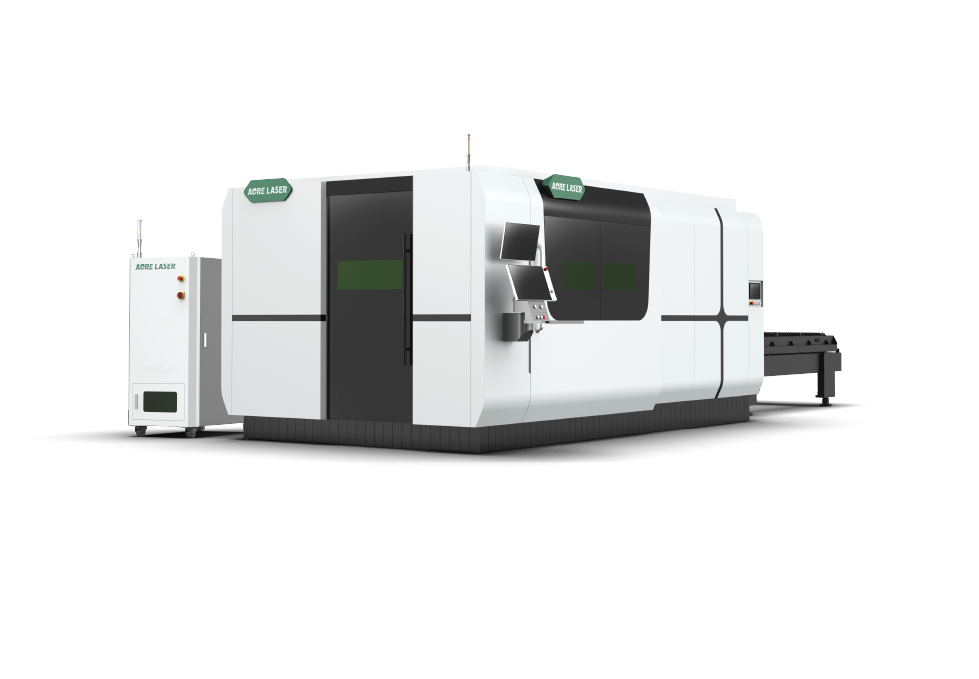
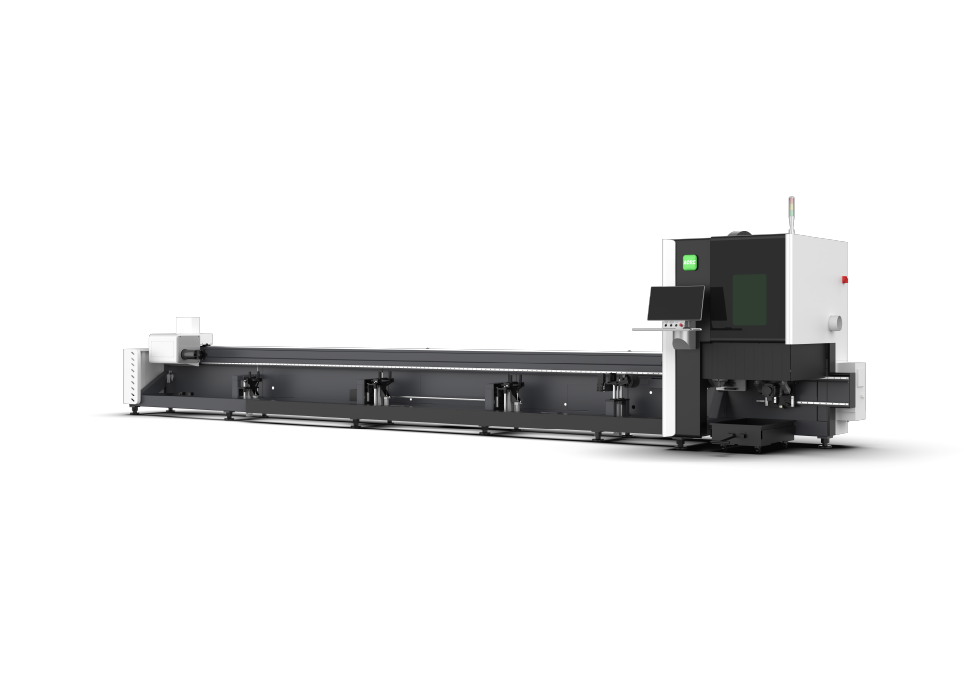
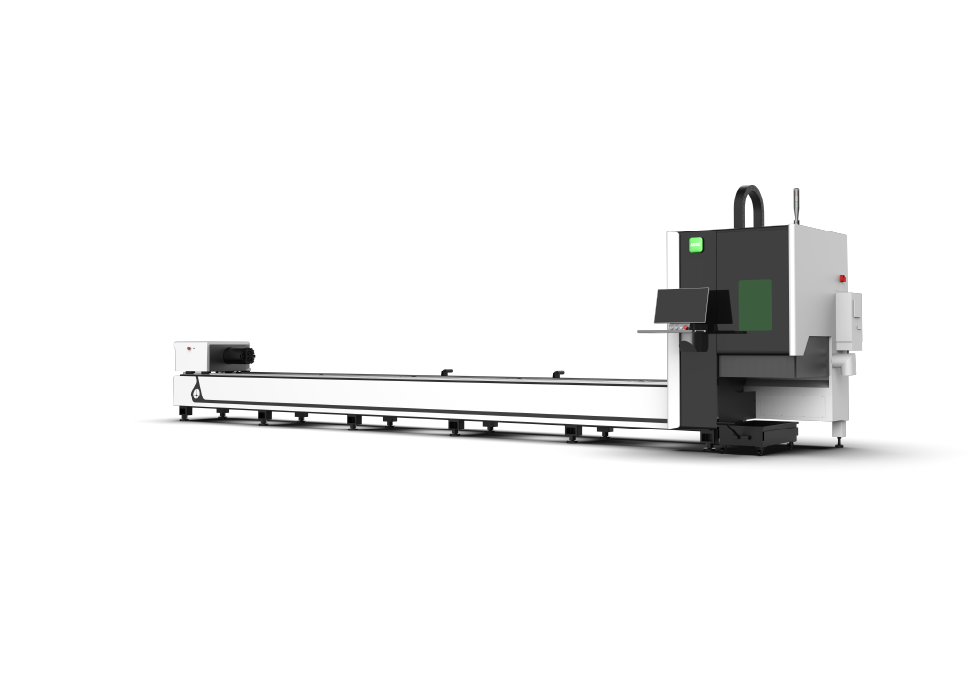
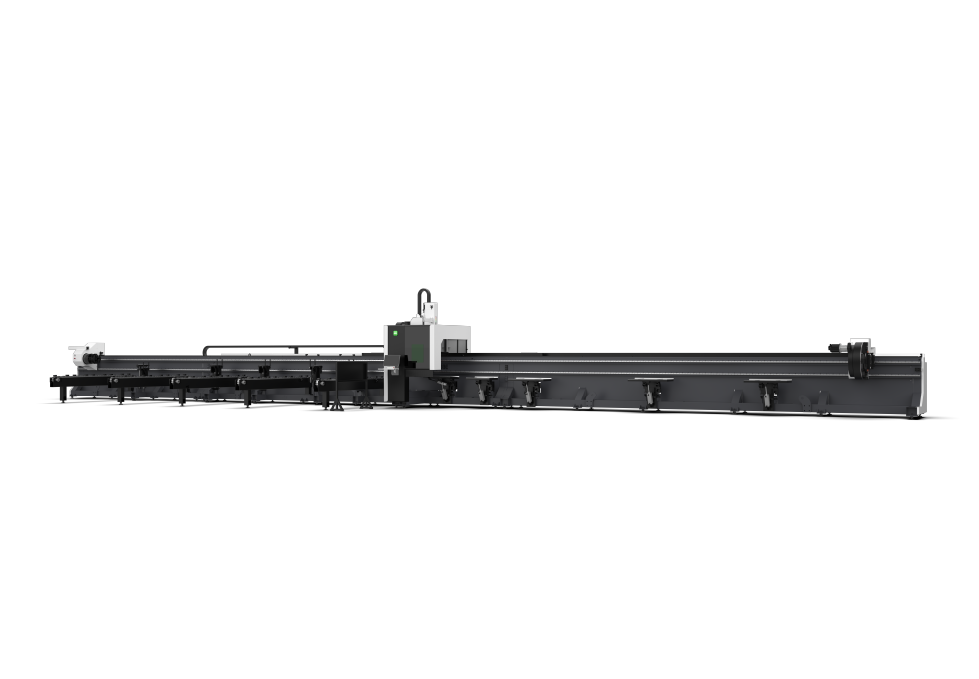
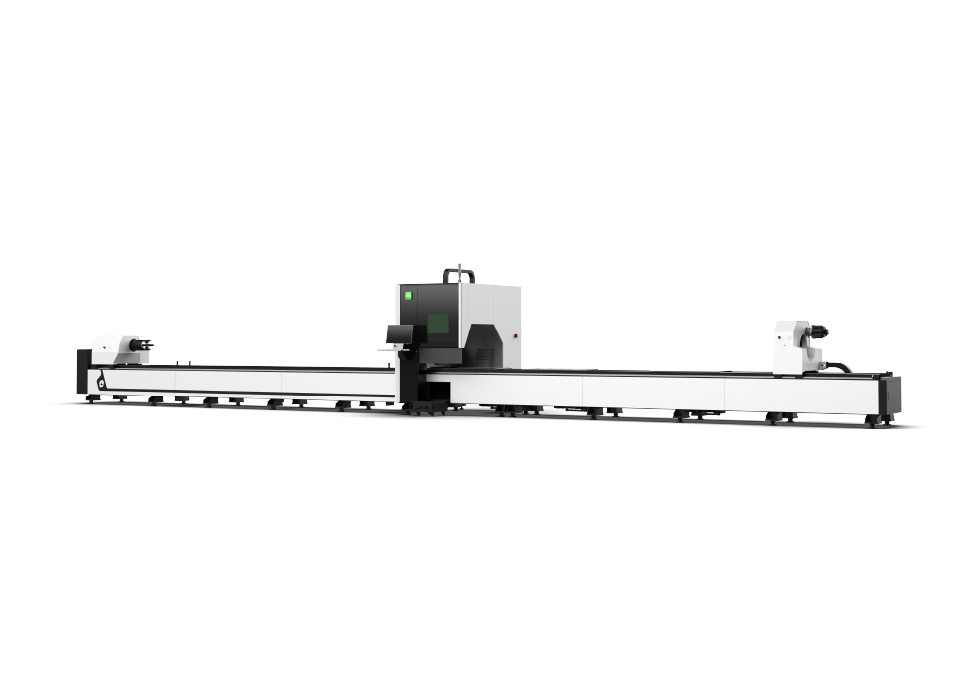
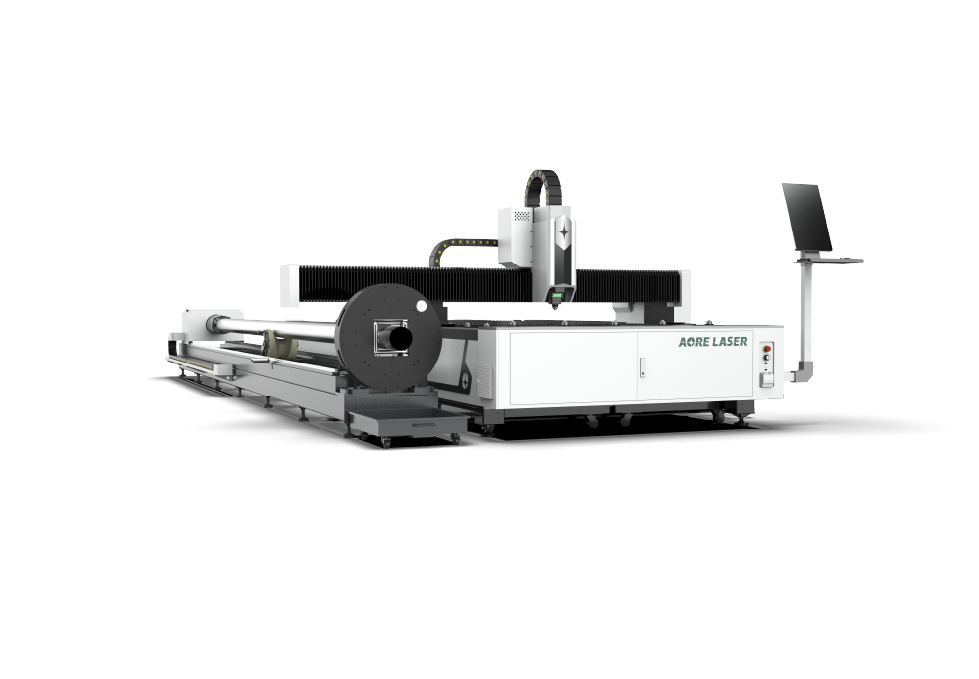
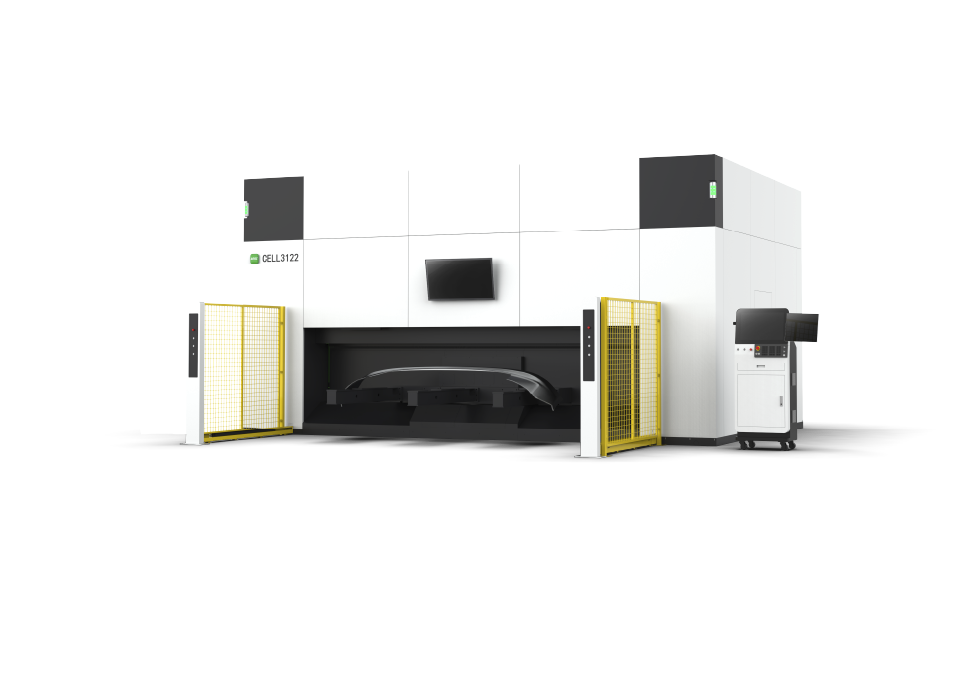
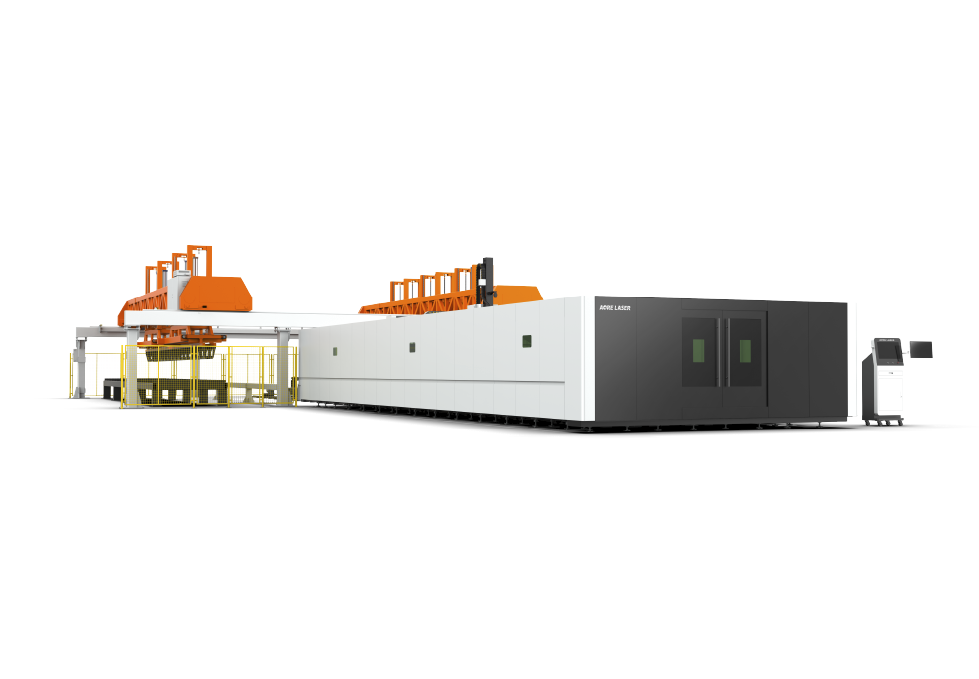
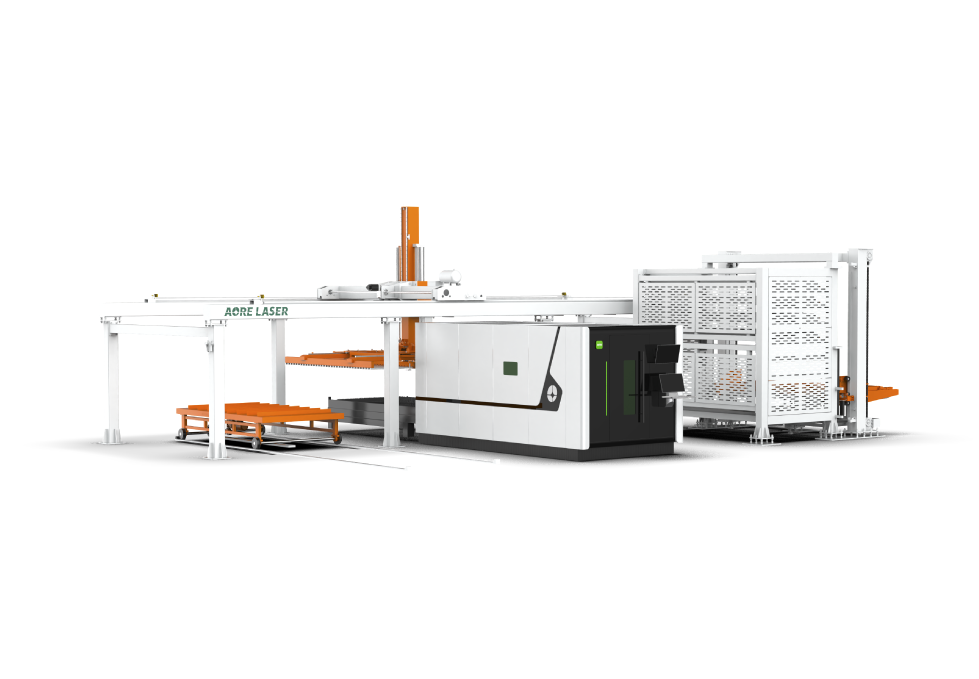
3-12kW
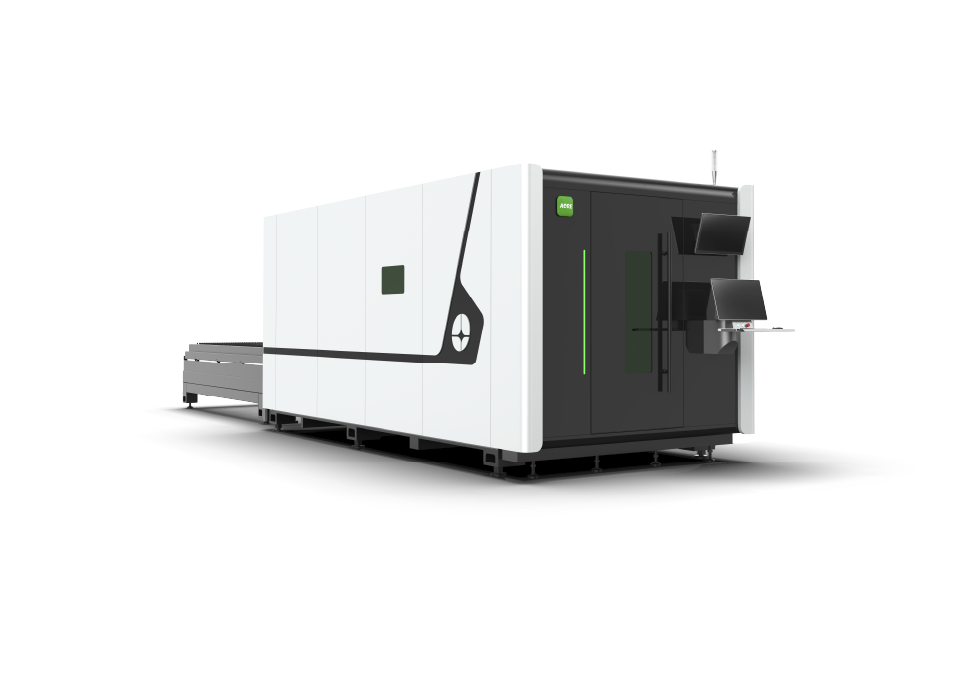
12-40kW
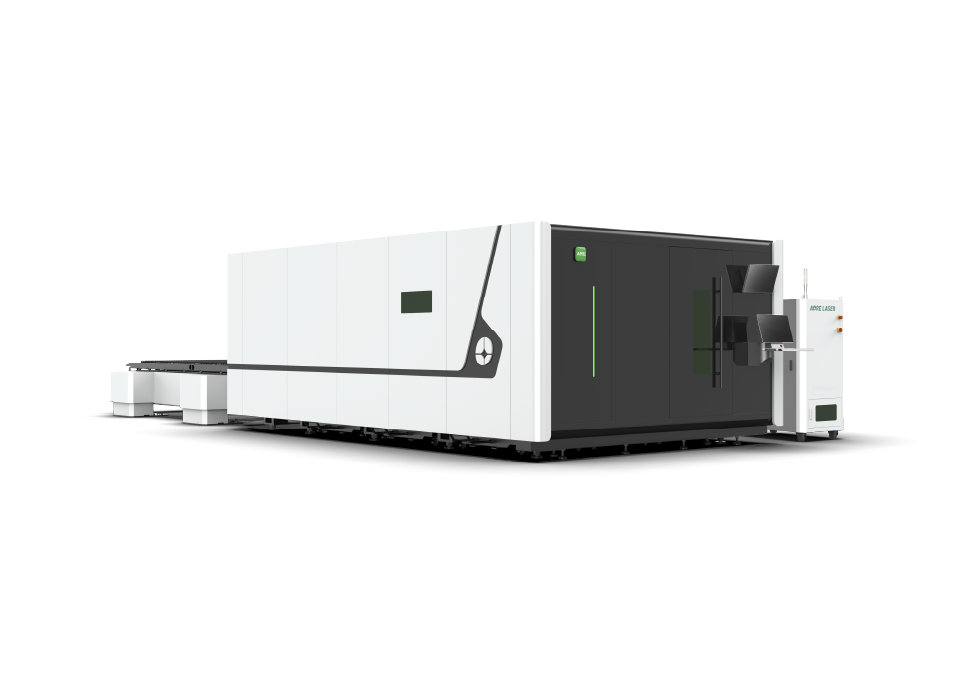
1.5-20kW
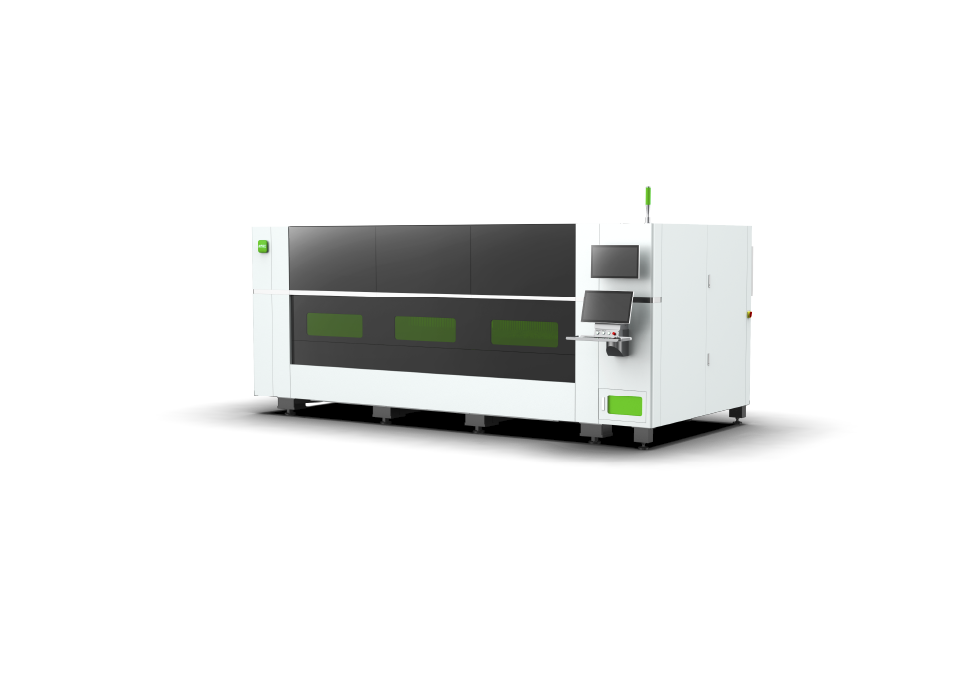
6-60kW
6-40kW
1.5-40kW
8-40kW
1.5-12kW
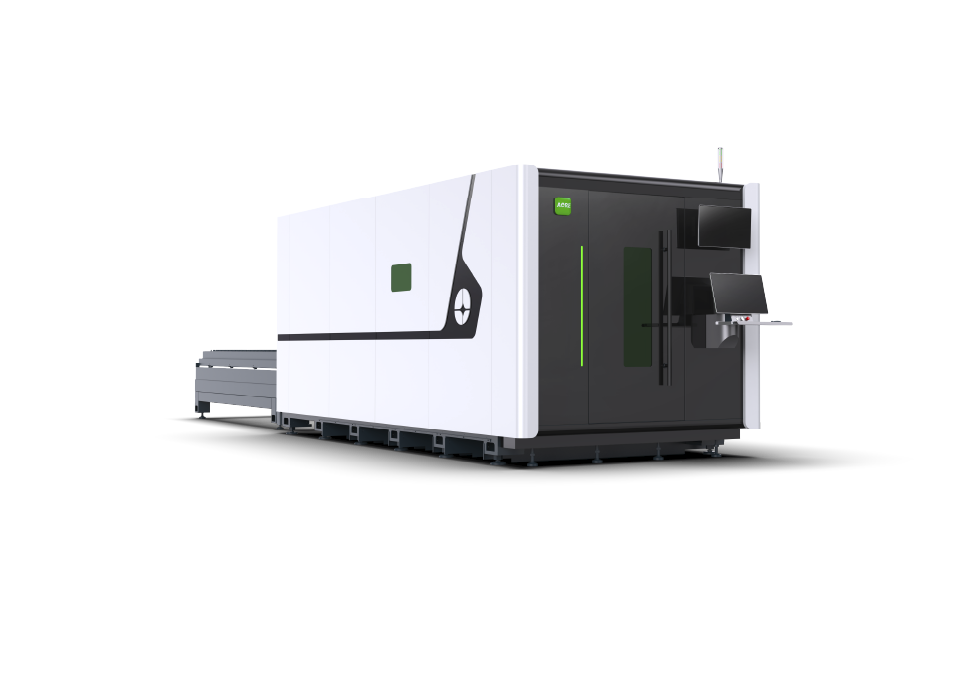
Fully-Protective High-Speed Sheet Laser Cutting Machine
All-In-One Fiber Laser Cutting Machine
Single platform plate laser cutting machine
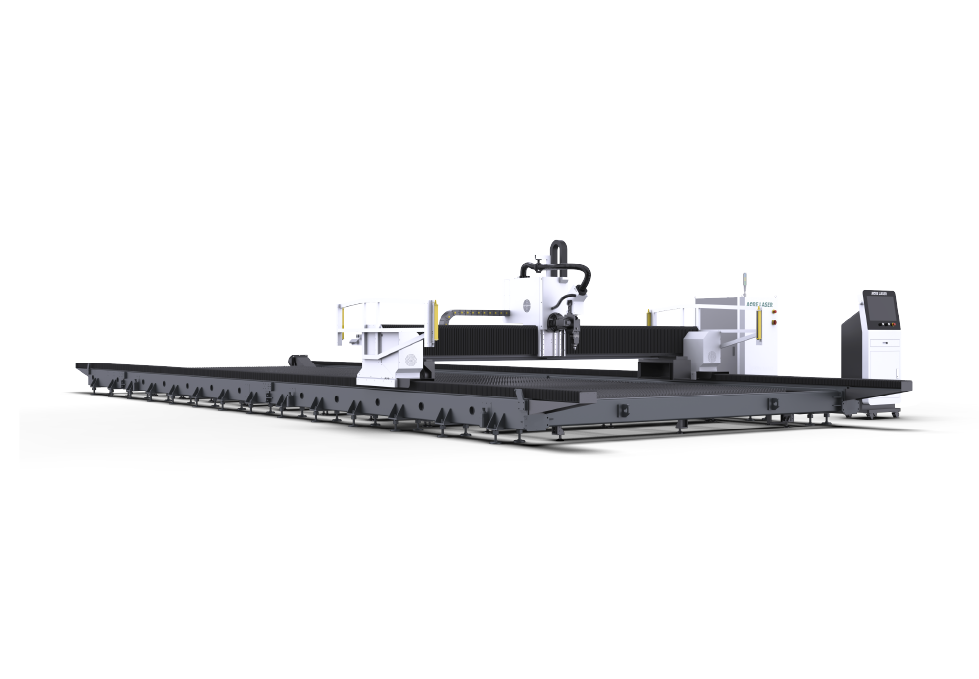
Ground-rail Sheet Fiber Laser Cutting Machine
High-speed Sheet Fiber Laser Cutting Machine
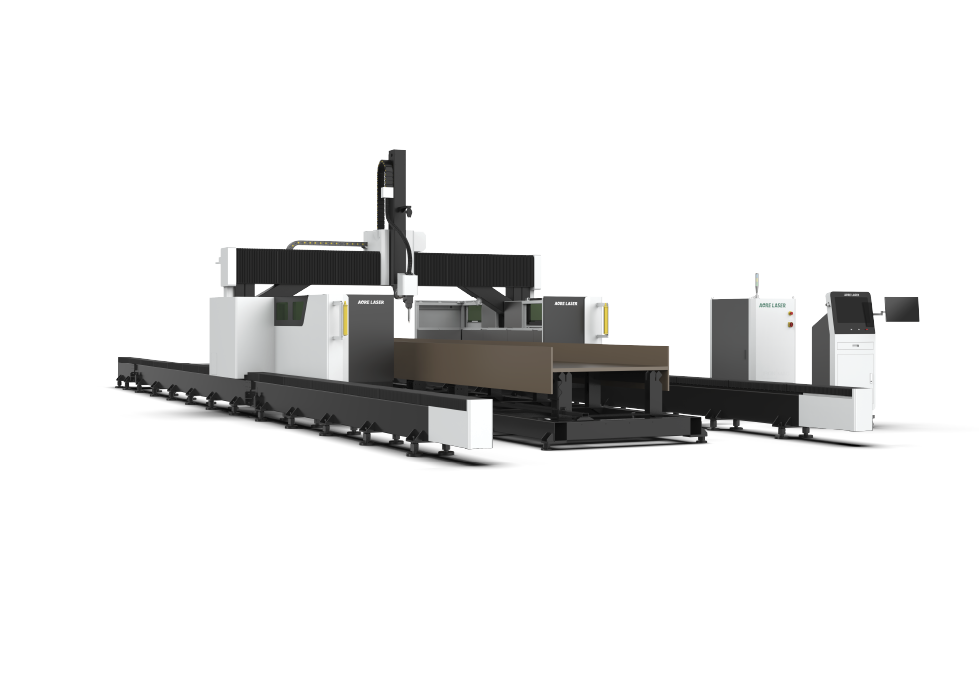
High power sheet laser cutting machine
Full-protective Fiber Laser Bevel Cutting Machine
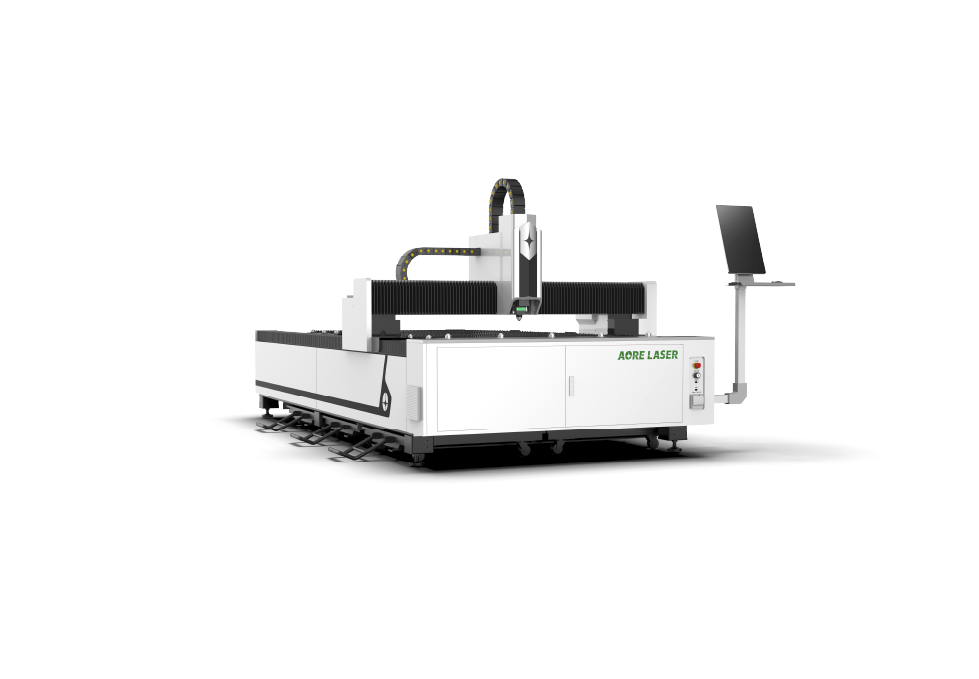
Precision sheet metal laser cutting machine
1.5-3kW
6-12KW
6-20kW
1-3KW
3D Beveling High-Speed Laser Tube Cutting Machine
High-speed Tube Laser Cutting Machine
Efficient Tube Fiber Laser Cutting Machine
Three-Chuck Heavy-Duty Tube Laser Cutting Machine
Three-chuck Tube Fiber Laser Cutting Machine
Four-Chuck Fully Floating Fiber Laser Tube Cutting Machine
High-speed Tube Fiber Laser Cutting Machine
Economical laser tube cutting machine
Double-platform Sheet and Tube Fiber Laser Cutting Machine
Efficient Sheet and Tube Fiber Laser Cutting Machine
3D Five-axis Fiber Laser Cutting Machine
1.5-6kW
Automated Profile Loading & Unloading System
Sheet Metal Warehouse Loader/Unloader
Automatic Sheet Metal Loading Device
Automatic Cantilever Sheet Metal Loading Device
Cantilever Sheet Metal Loading Device
Intelligent Sheet Metal Production Line
Coil Laser Cutting Production Line
Intelligent Welding Workstation
Electro-Hydraulic Servo Press Brake
3kW
Water-cooled Handheld Laser Welding Machine
Water-cooled Handheld Laser Cleaning Machine
* Name
* E-mail
* Phone or WhatsApp
* Country
* City
Company
* Cutting Material
* Message
In large-scale infrastructure projects such as bridges and high-rise buildings, the processing quality of structural steel directly impacts project safety and service life. Among these factors, the cutting precision and edge quality of steel plates and structural steel components form the foundation for smooth subsequent assembly and welding processes. The steady rise in laser cutting technology adoption within structural steel fabrication shops in recent years is no coincidence. Compared to traditional processing methods, this technology's adaptability in high-precision, complex component scenarios precisely meets modern engineering demands for refined structural steel manufacturing. This article will delve into the core value of laser cutting technology in structural steel production, its typical application cases, and the fundamental logic behind process selection.
Structural steel manufacturing exhibits the following typical characteristics:
The base materials are primarily carbon steel and low-alloy steel—materials widely used in industrial settings. However, due to variations in carbon content, they impose different requirements on thermal input control during cutting processes. Plate thicknesses span a wide range, from tens of millimeters to hundreds of millimeters, while components are often large in size and heavy in weight. This means the cutting process must not only ensure precision but also balance production efficiency with the feasibility of on-site operations. After all, in actual engineering assembly, even millimeter-level deviations can prevent precise welding alignment or compromise the overall structural stability.
Therefore, the cutting method must be stable, repeatable, and suitable for industrial-scale production.
So why does laser cutting stand out among various cutting processes to become one of the preferred solutions for structural steel processing? While not suitable for all steel processing situations, it precisely meets the core requirements of structural steel manufacturing.
Laser cutting machines achieve micron-level repeatability—a benefit evident in a bridge steel component project I worked on. Traditional cutting methods often caused hole misalignment, preventing precise bolt assembly. Laser-cut components, however, significantly improved on-site alignment efficiency. This precision advantage greatly reduces correction work during assembly.
Seamless cut surfaces require no additional grinding before welding, enabling “one-step forming” that substantially cuts labor and time costs associated with secondary processing.
Components like connection plates, brackets, and stiffeners often feature irregular slots, dense hole patterns, and intricate contours. Traditional mold-based machining requires substantial upfront investment and struggles to adapt to multi-batch, small-lot customization demands. CNC fiber laser cutters eliminate the need for mold changes, enabling the processing of components with different shapes and configurations through simple program adjustments alone. This advantage is particularly prominent in the mass production of prefabricated building components.
This advantage becomes even more significant in mass production environments: Once suitable cutting parameters are set, consistent dimensional accuracy and edge quality are maintained whether processing dozens or hundreds of components. This eliminates quality variations caused by human operational differences inherent in traditional methods.
Laser cutters are commonly employed in the following structural steel applications:
Steel plates used for beams, columns, and base plates typically require precise dimensions and hole patterns. Not only must they strictly match design specifications, but their pre-cut holes and irregular slots must also precisely fit subsequent connecting components. In the fabrication of steel frames for high-rise buildings, the cutting quality of these components directly impacts the frame's verticality and load-bearing capacity.
Laser fiber cutters are suitable for producing connectors featuring slots, holes, and complex contours.
Laser-cut parts facilitate better pre-welding assembly, thereby improving overall manufacturing quality.
Precise hole cutting enhances bolt alignment accuracy and reduces on-site installation time.
In the field of structural steel cutting, traditional processes like flame cutting and plasma cutting have not been phased out—they continue to serve their respective applications. Oxy-fuel cutting remains the mainstream choice in heavy machinery manufacturing due to its capability to process ultra-thick steel plates. However, its large heat-affected zone and limited cutting precision make it unsuitable for high-accuracy component fabrication. Plasma cutting offers greater efficiency in medium-to-thick plate processing, with cutting speeds far exceeding oxy-fuel cutting, yet it similarly suffers from relatively pronounced heat deformation. So, how should the application boundaries of laser cutting be defined?
Based on years of industry research and comparative process experiments, laser cutting's advantages become evident when processing demands high precision, complex shapes, or requires consistent quality across multiple batches of components. In practice, most large-scale structural steel workshops integrate laser cutting with traditional methods based on component thickness, precision requirements, and production volume. For instance, flame cutting handles rough cuts on thick plates, while laser cutting takes over for subsequent fine trimming and complex section processing. This combined approach balances cost control with quality and efficiency.
Not all steel laser cutting machines are suitable for structural steel processing. Key requirements include:
Sufficient laser power to cut medium-thick to heavy steel plates
Stable cutting performance during extended operation
Robust machine structure capable of handling large and heavy steel plates
Reliable components suitable for industrial environments
Many processing companies have fallen into the mistake of believing “higher power is always better,” overlooking the importance of equipment compatibility with their production processes. Selecting machines only based on maximum power output is often not the most practical approach. For structural steel workshops, laser cutting equipment design should focus on actual production demands rather than laboratory conditions. In practice, we’ve seen workshops invest in high-power machines that remain underutilized because their component mix never requires that capacity.
Our team's GR-H series laser cutting machines, specifically developed for structural steel manufacturing applications, are engineered to address these core pain points:
1. All-in-One Solution for the Steel Structure Industry: The machine integrates multiple processing capabilities, including beam cutting, web and flange drilling, flange beveling, weld-hole cutting, and marking, providing a one-stop solution for all structural steel fabrication needs.
2. Multi-material compatibility: Handles profiles, sheet, and tubes, providing the steel structure industry with an integrated, cost-effective solution for higher productivity.
3. Dual Workstations, Cutting and Loading Simultaneously: The dual-station layout allows partitioned operation, enabling simultaneous cutting and loading for stable, efficient, and streamlined production.
Many of our customers have overcome production challenges by introducing the GR-H laser cutting machine.
Laser cutting has become a vital processing method in structural steel manufacturing, particularly suited for applications demanding high precision, consistency, and part design flexibility. If you are involved in the steel fabrication industry and wish to discuss current steel processing requirements or seek laser cutting solutions suitable for structural steel manufacturing, please feel free to contact our team at any time. Drawing on our real-world production experience, we will provide you with technical support and practical advice.
AORE Shines at the Peru Industrial Expo!
AORE Laser Dazzles at 2024 Turkey MAKTEK Exhibition
Aorelaser uses "Essential Cookies" to ensure the operation of the website, while others help us improve your user experience. By clicking "Accept All", you agree to our use of all cookies. You can also change your cookie settings by going to your preferences. For more information about cookies, please see our Cookie Policy.(The data storage period is 7 days)
Essential cookies enable basic functionality and are necessary for the website to work properly.
Preference cookies allow websites to remember your choices (such as language preference) and provide a more personal experience.
Statistics cookies collect information anonymously. This information helps us understand how our visitors use our website.
Marketing cookies are used by third parties or publishers to display personalized advertisements. This is done by tracking visitors across websites.