3-12kW
12-40kW
1.5-20kW
6-60kW
6-40kW
1.5-40kW
8-40kW
1.5-12kW
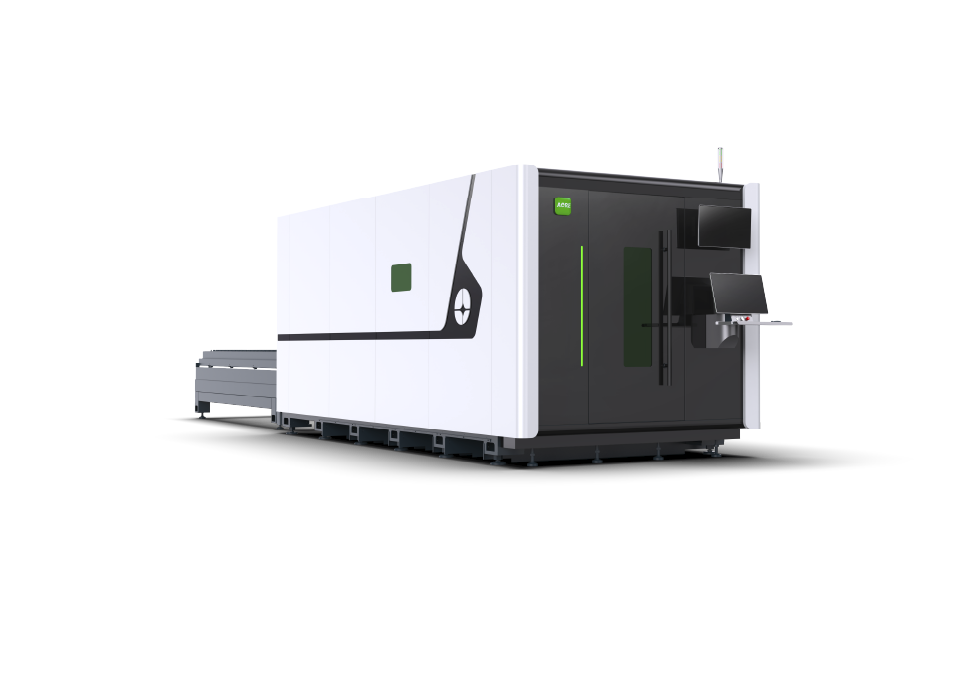
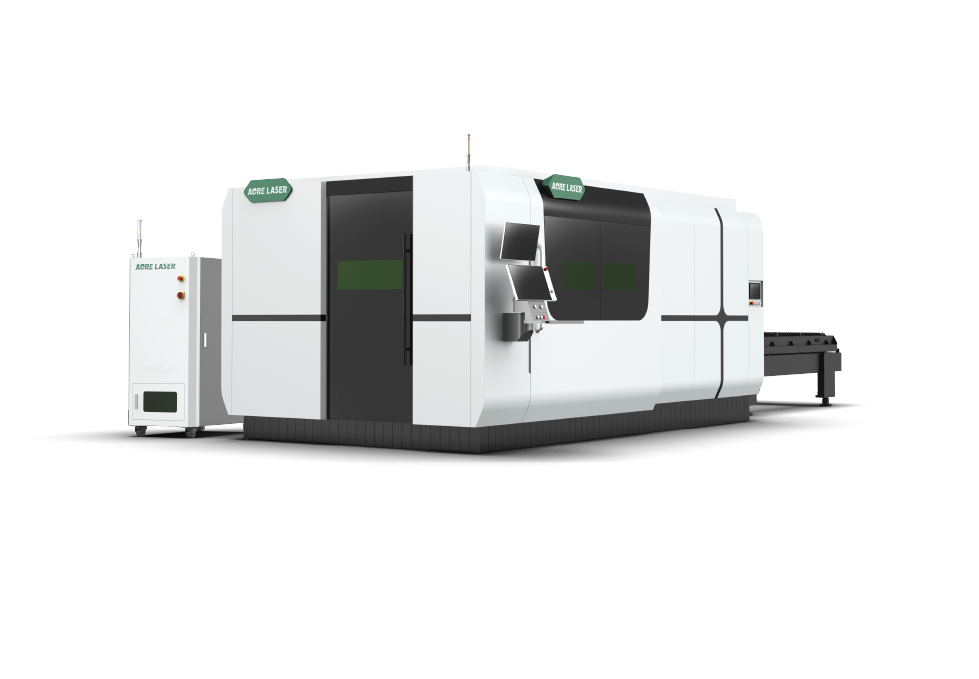
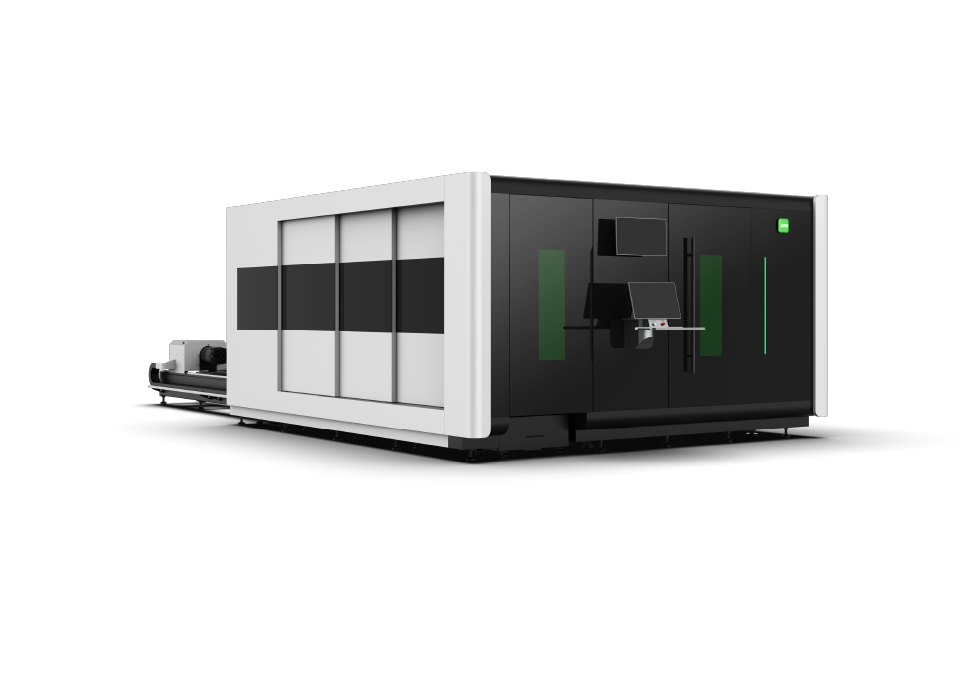
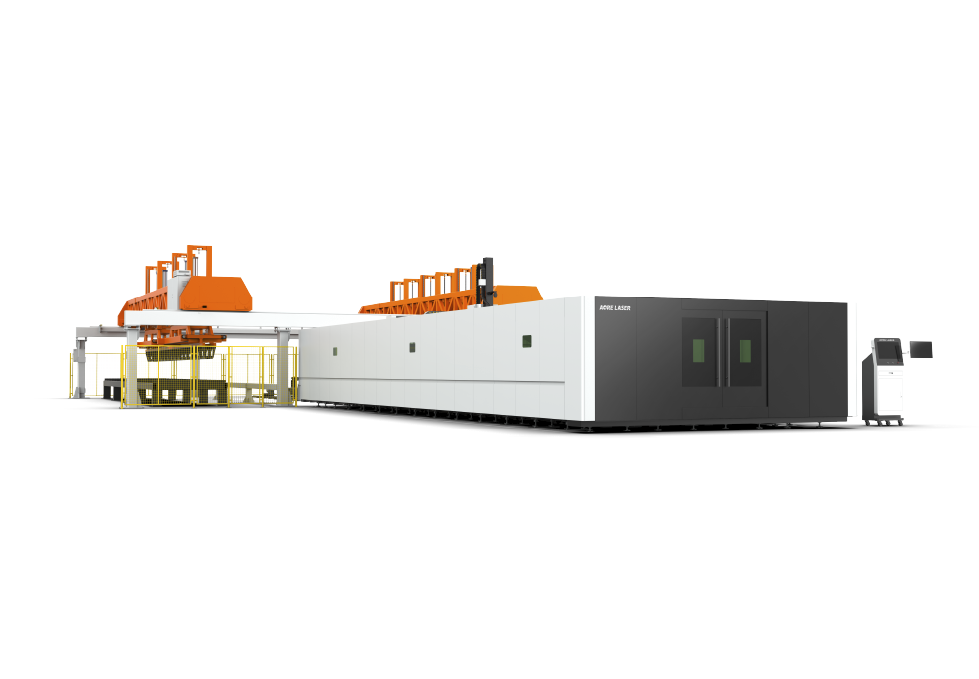
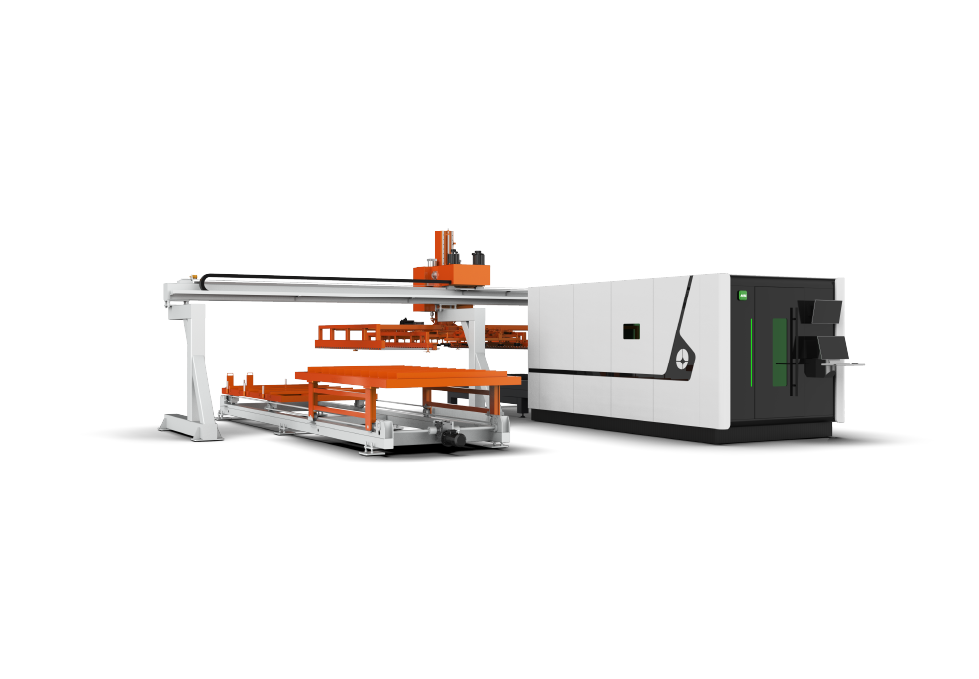
Fully-Protective High-Speed Sheet Laser Cutting Machine
All-In-One Fiber Laser Cutting Machine
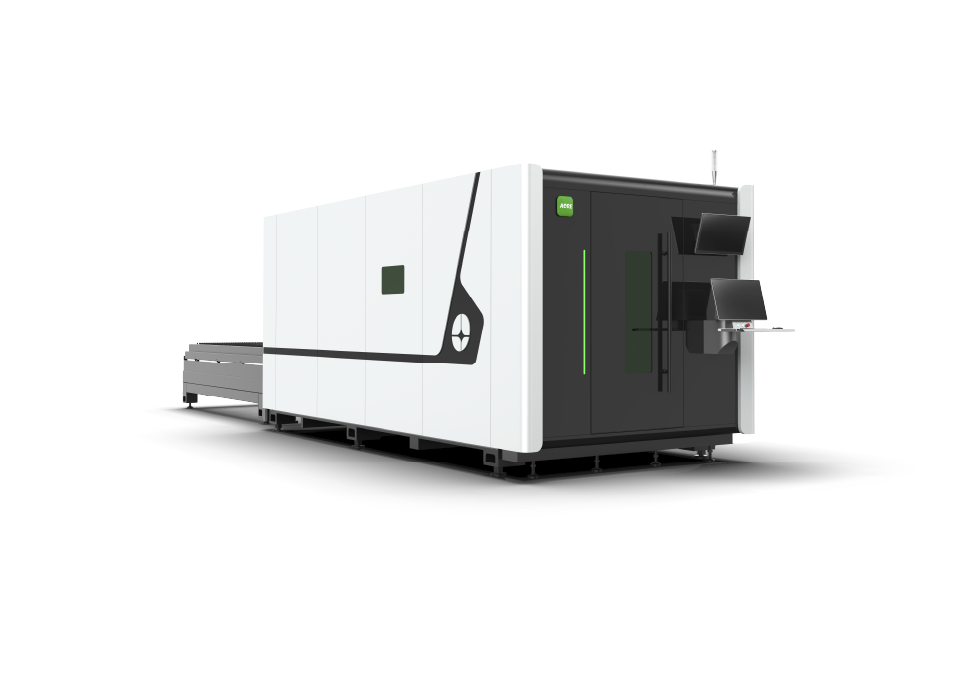
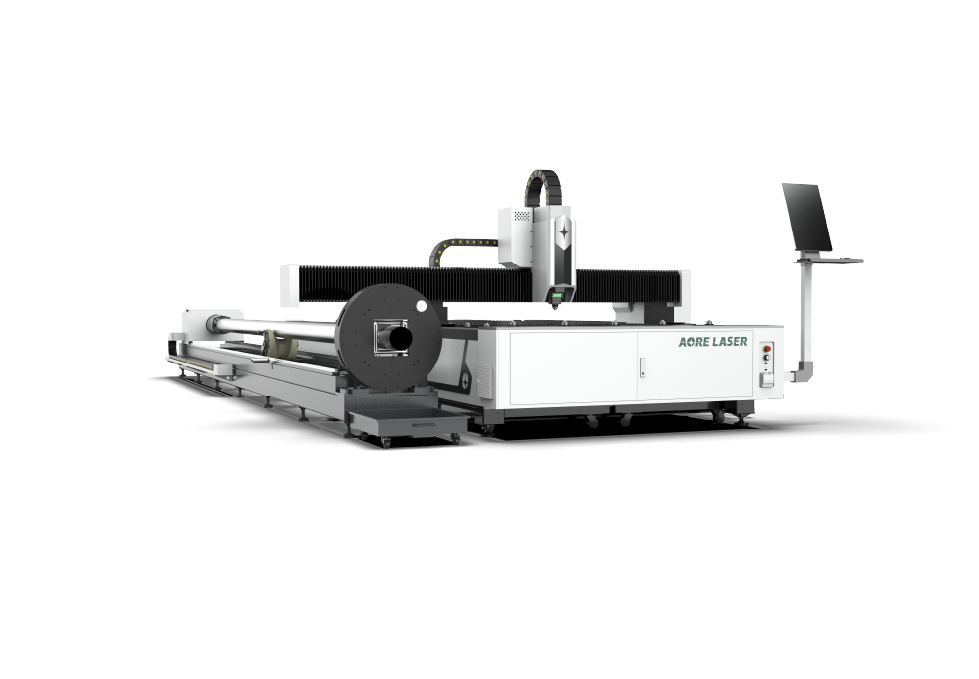
Single platform plate laser cutting machine
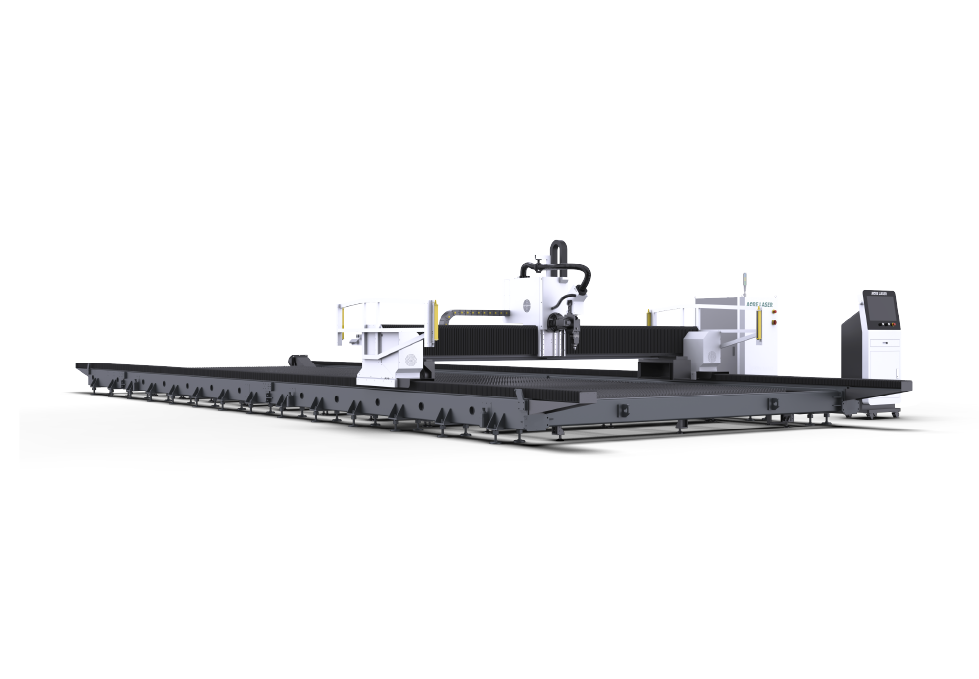
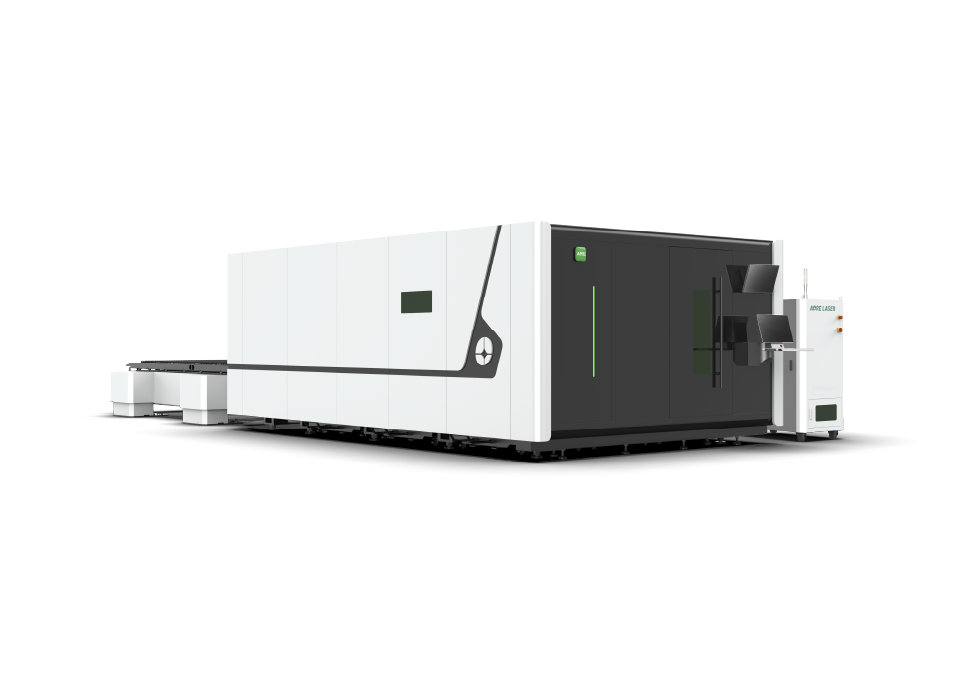
Ground-rail Sheet Fiber Laser Cutting Machine
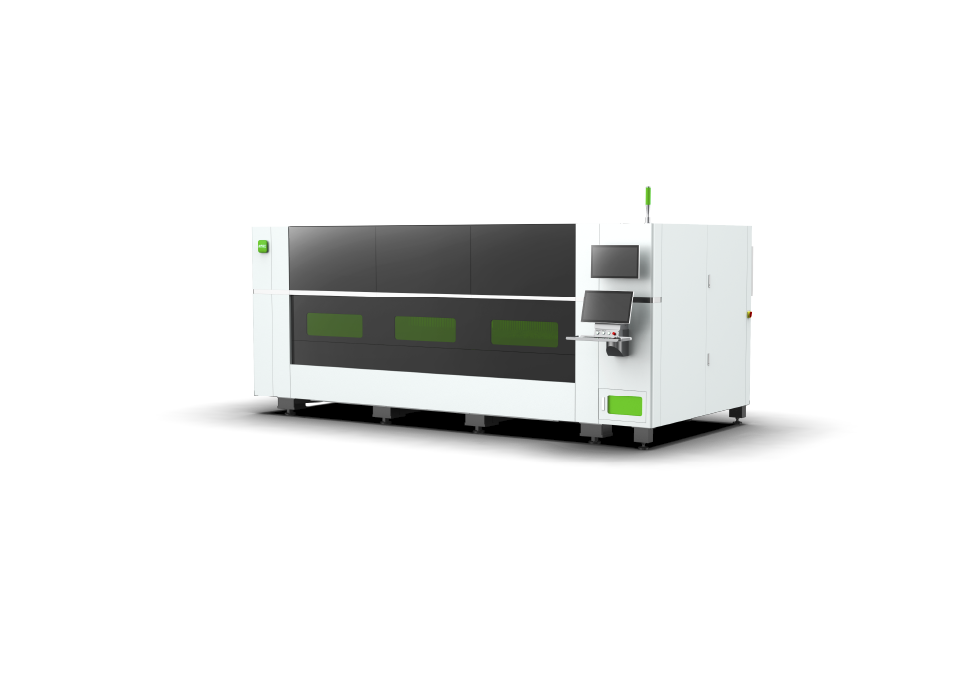
High-speed Sheet Fiber Laser Cutting Machine
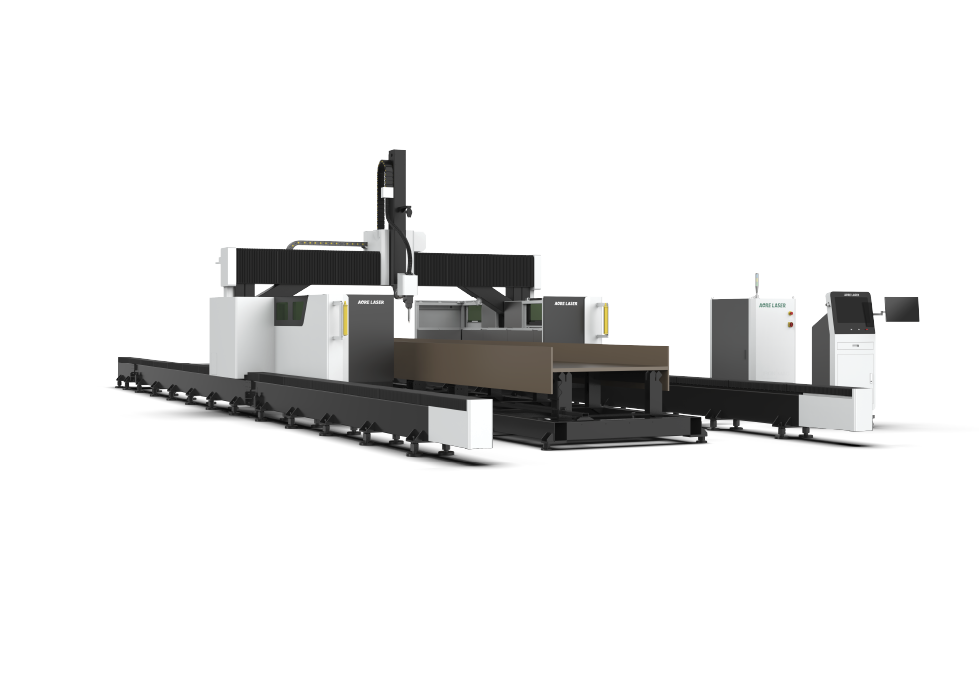
High power sheet laser cutting machine
Full-protective Fiber Laser Bevel Cutting Machine
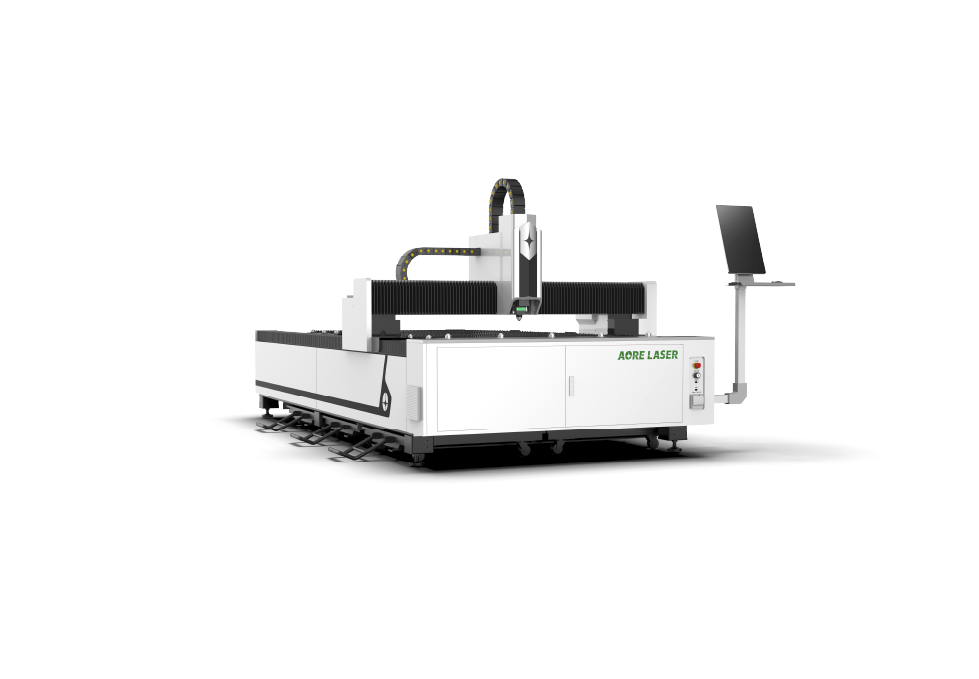
Precision sheet metal laser cutting machine
1.5-3kW
6-12KW
6-20kW
1-3KW
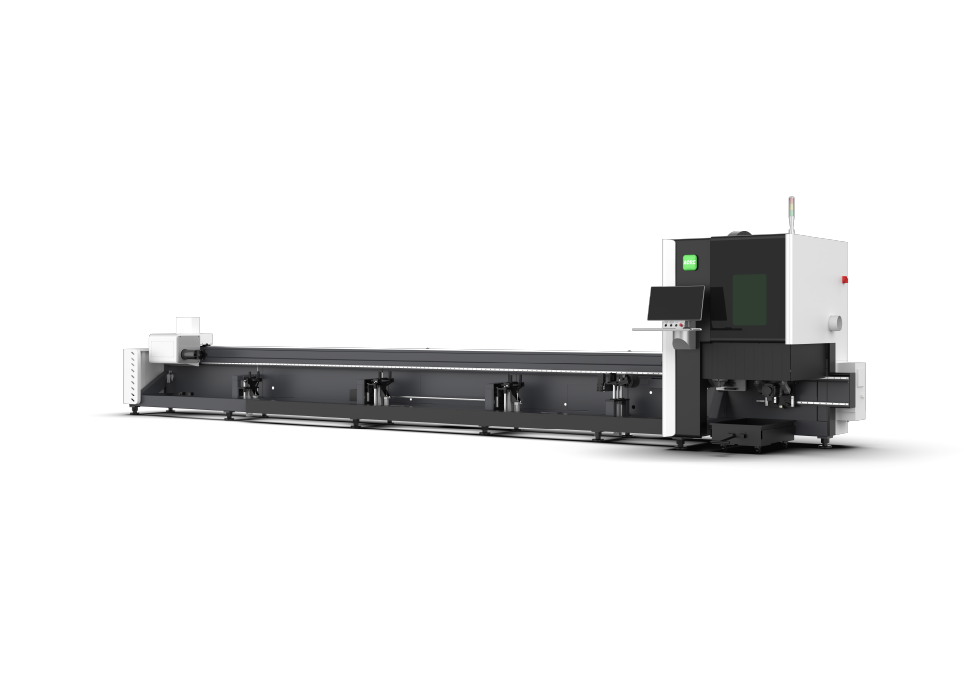
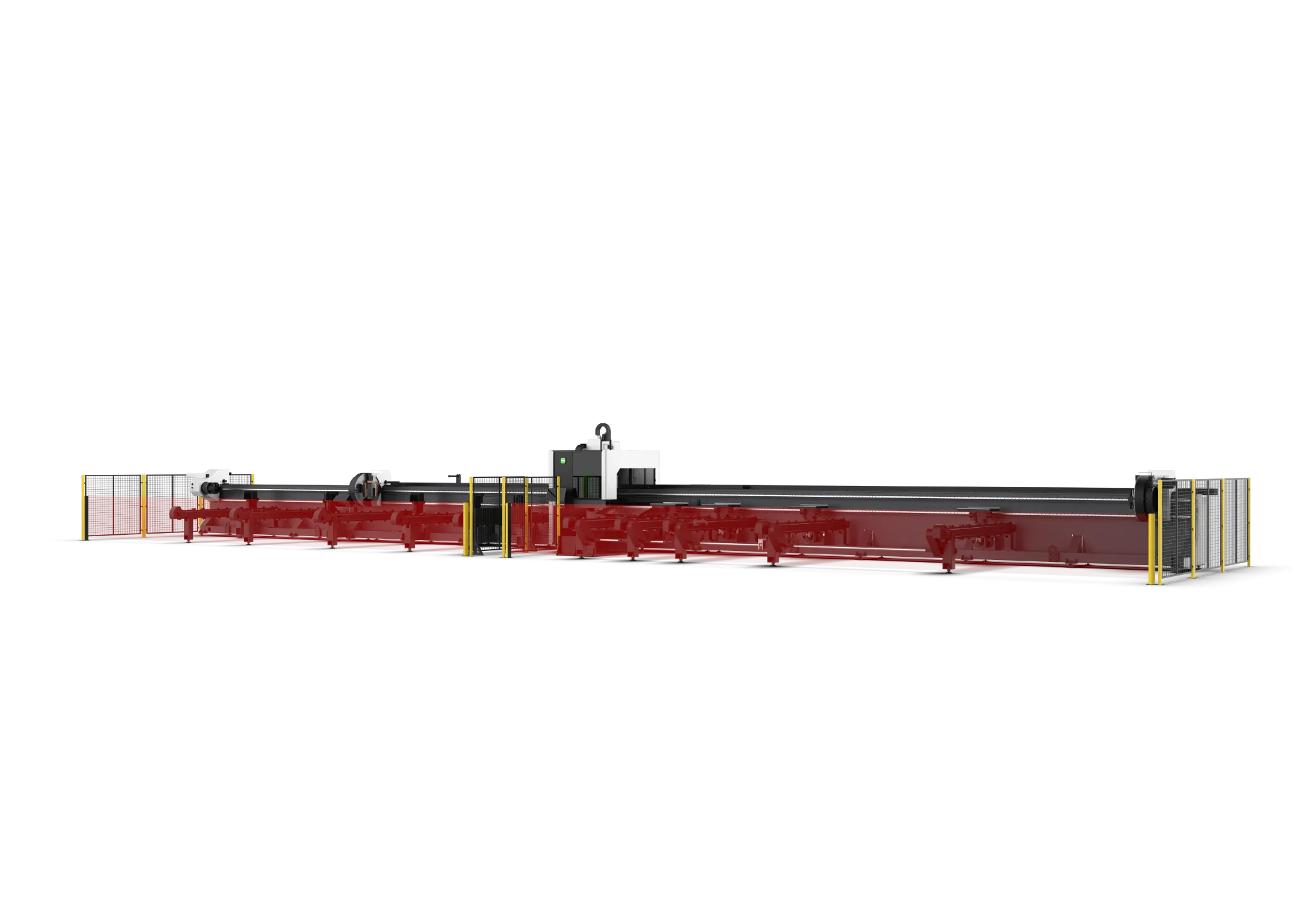
3D Beveling High-Speed Laser Tube Cutting Machine
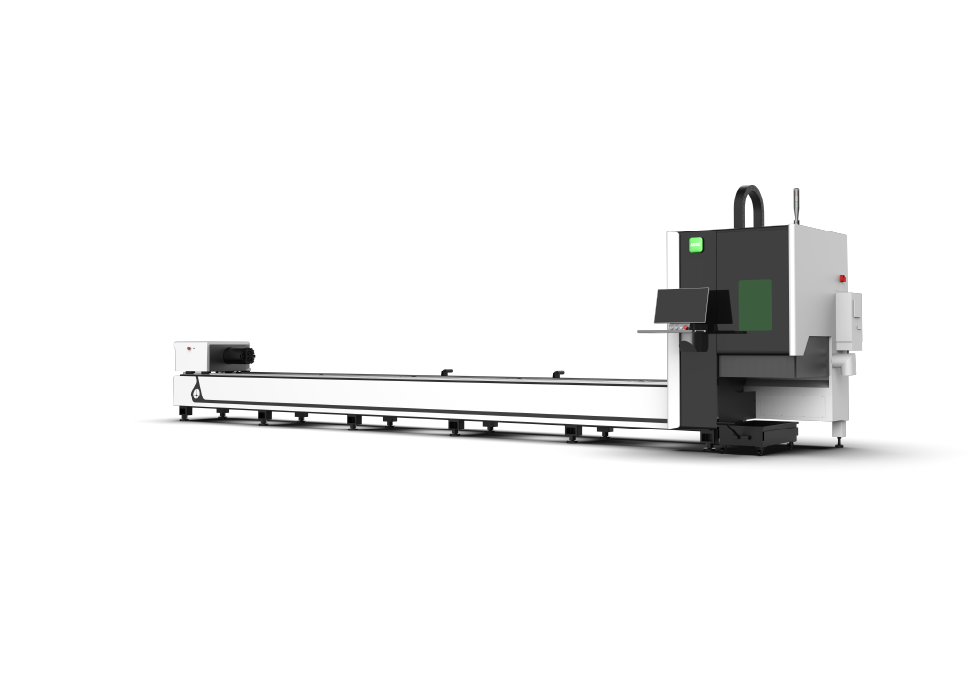
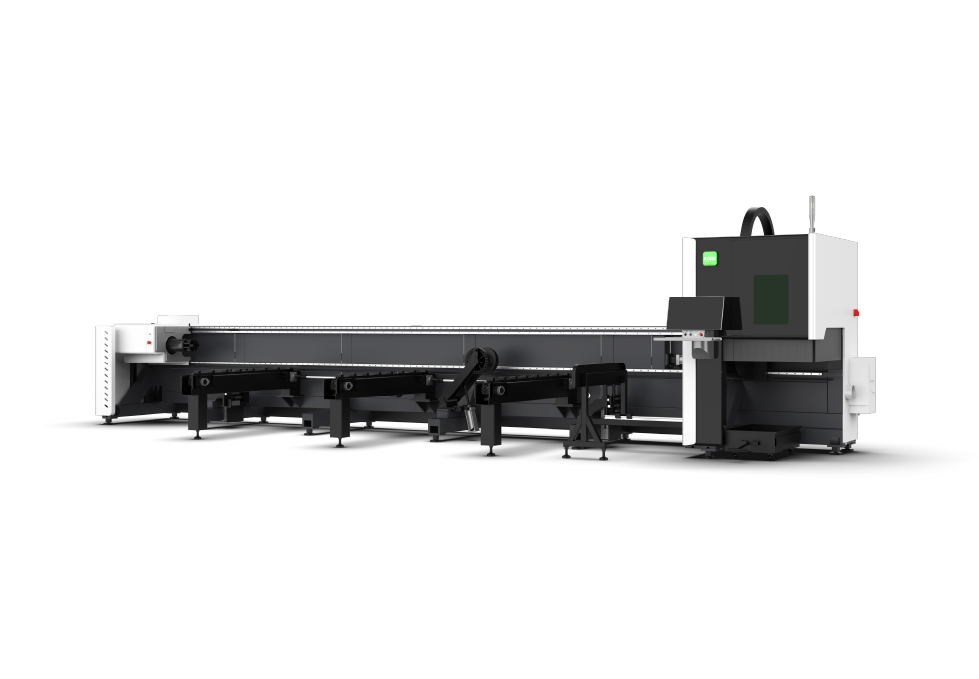
High-speed Tube Laser Cutting Machine
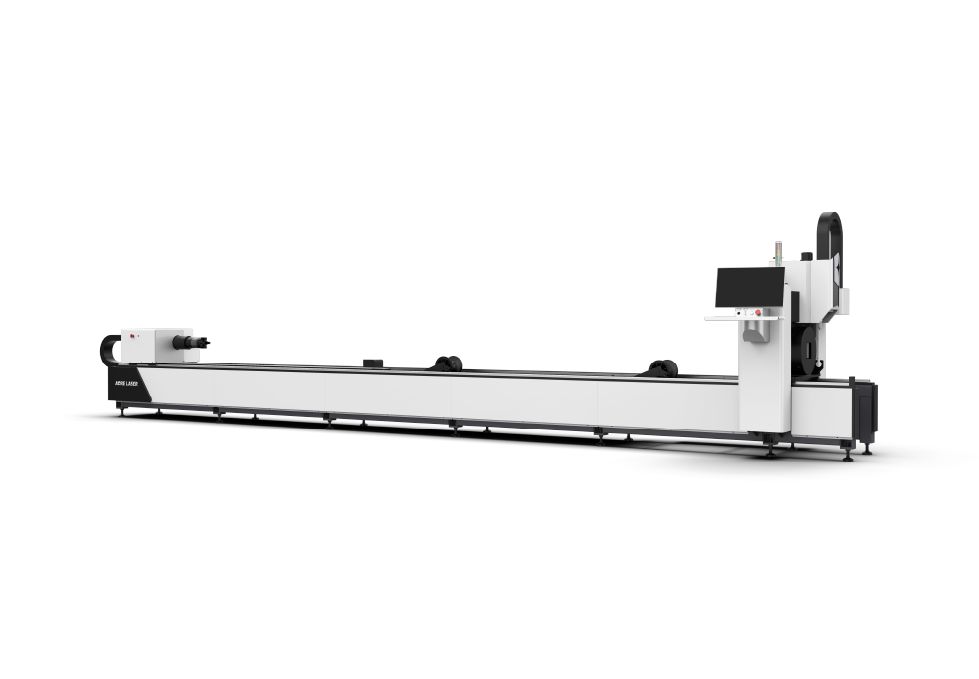
Efficient Tube Fiber Laser Cutting Machine
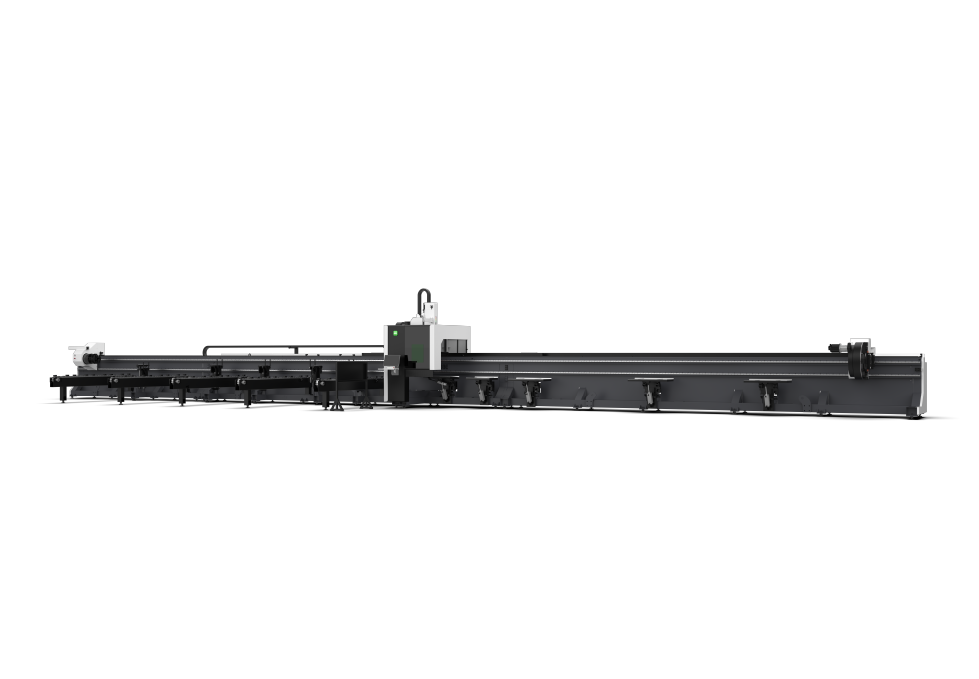
Three-Chuck Heavy-Duty Tube Laser Cutting Machine
Three-chuck Tube Fiber Laser Cutting Machine
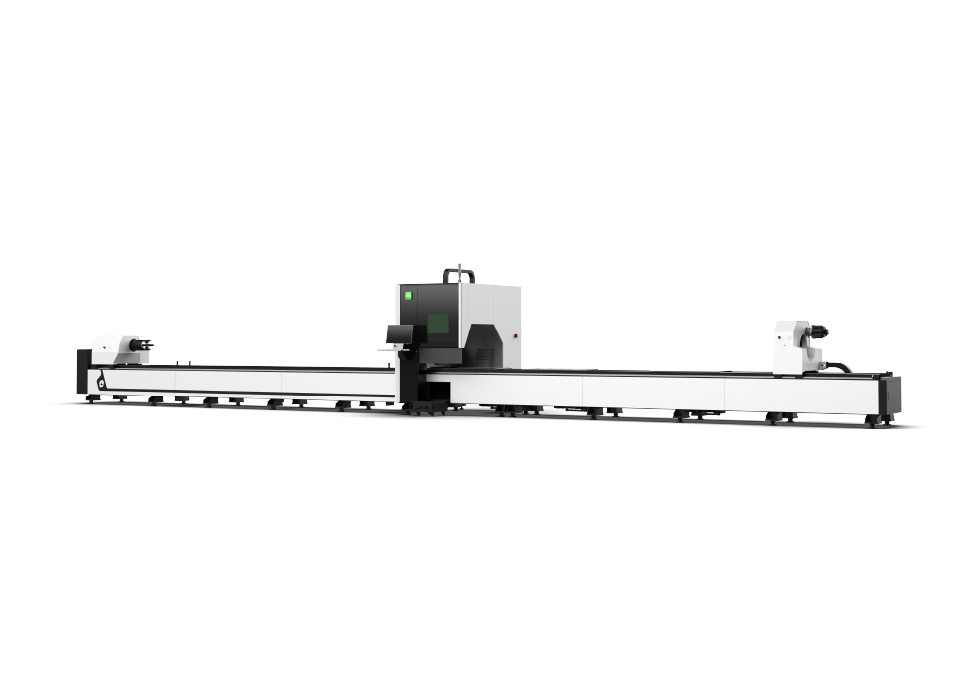
Four-Chuck Fully Floating Fiber Laser Tube Cutting Machine
High-speed Tube Fiber Laser Cutting Machine
Economical laser tube cutting machine
Double-platform Sheet and Tube Fiber Laser Cutting Machine
Efficient Sheet and Tube Fiber Laser Cutting Machine
3D Five-axis Fiber Laser Cutting Machine
1.5-6kW
Automated Profile Loading & Unloading System
Sheet Metal Warehouse Loader/Unloader
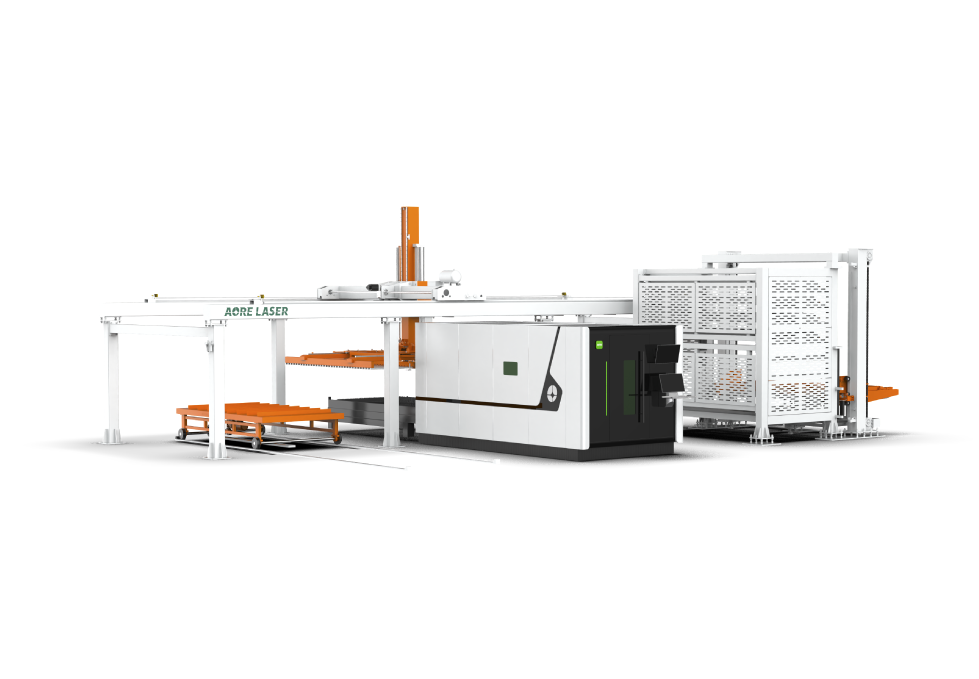
Automatic Sheet Metal Loading Device
Automatic Cantilever Sheet Metal Loading Device
Cantilever Sheet Metal Loading Device
Intelligent Sheet Metal Production Line
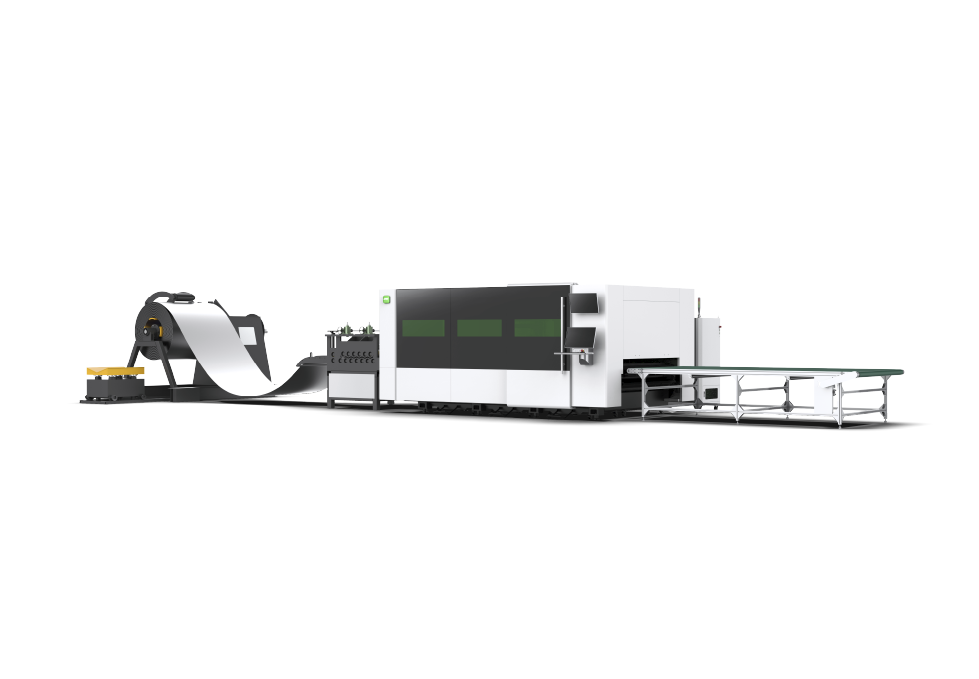
Coil Laser Cutting Production Line
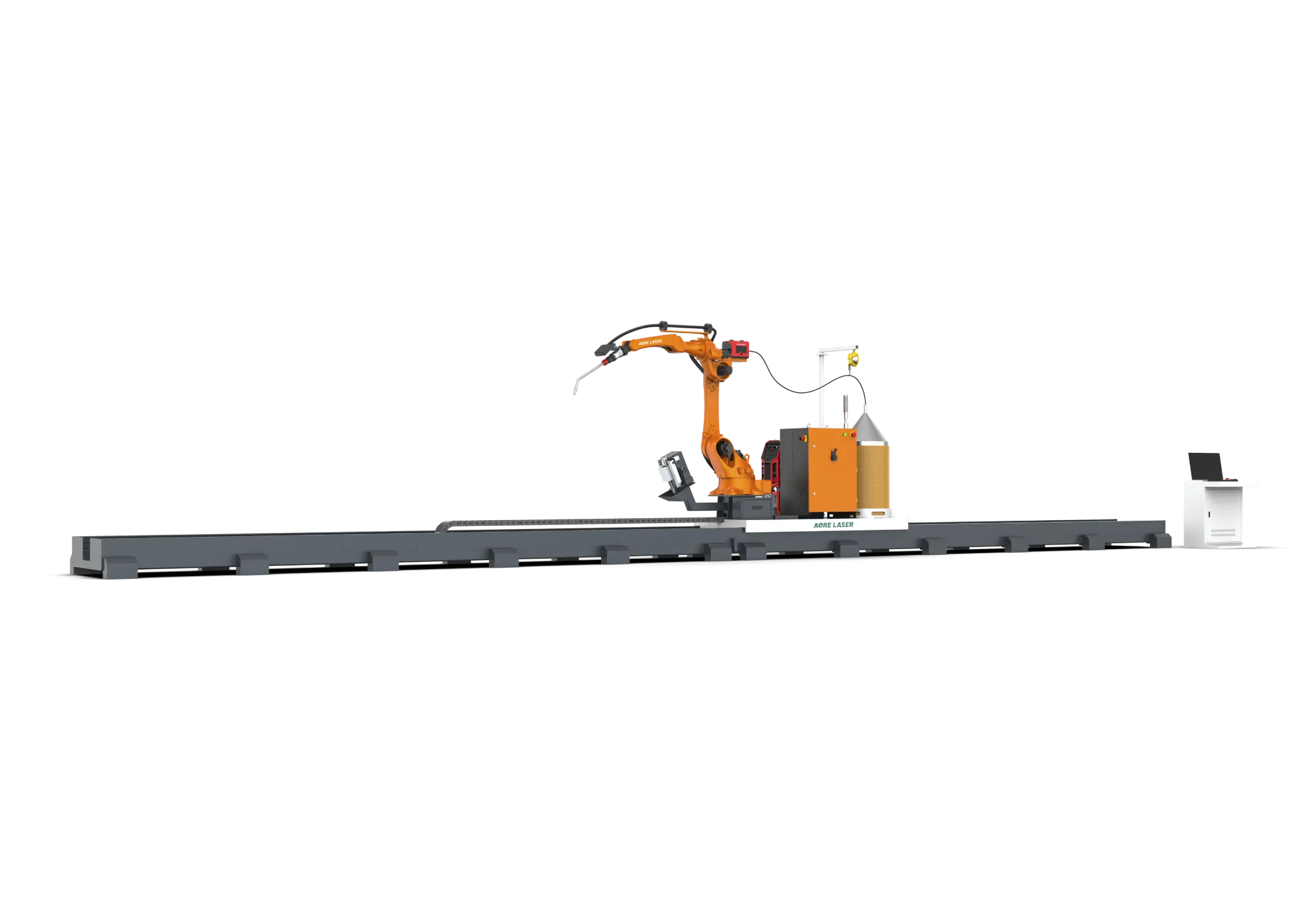
Intelligent Welding Workstation
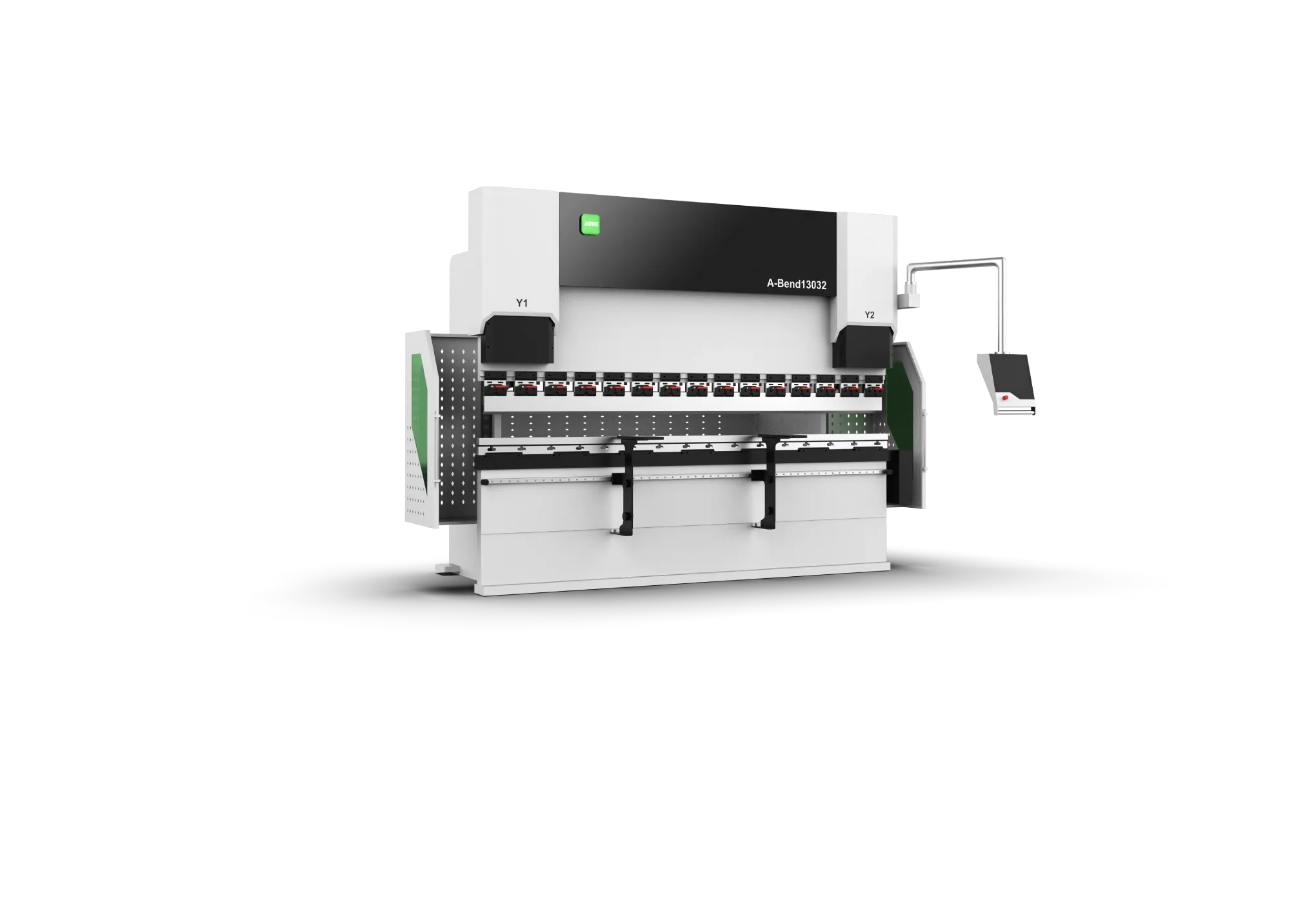
Electro-Hydraulic Servo Press Brake
3kW
Water-cooled Handheld Laser Welding Machine
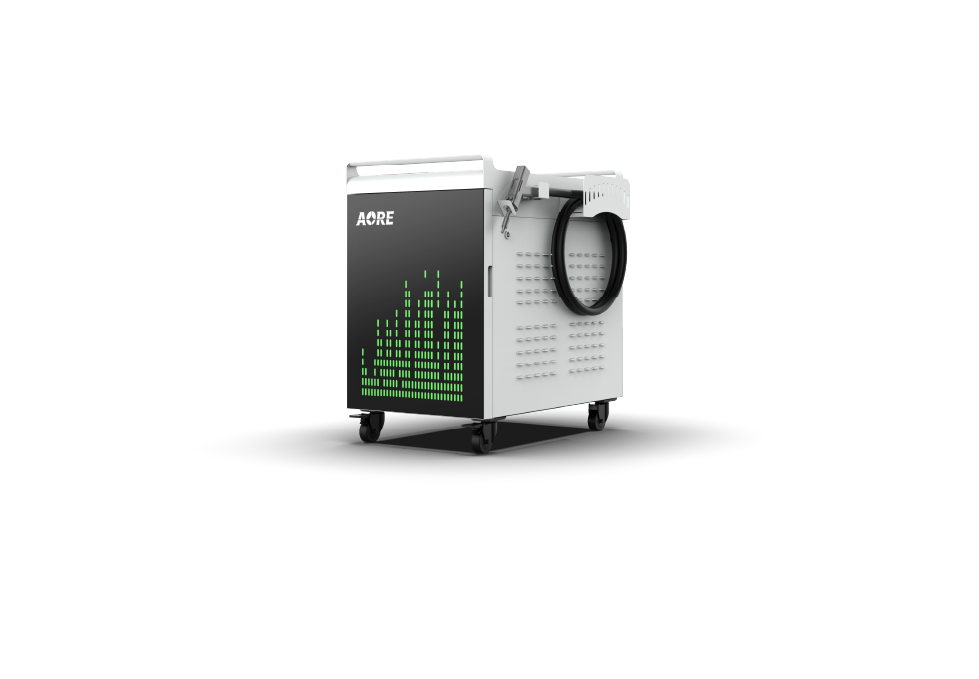
Water-cooled Handheld Laser Cleaning Machine
* Name
* E-mail
* Phone or WhatsApp
* Country
* City
Company
* Cutting Material
* Message
In the modern metalworking industry, thin sheet metal processing is widely used across various fields, such as electrical cabinets, appliance housings, metal furniture, and automotive parts manufacturing. Although thin sheet materials are relatively thin, the processing requirements are no less demanding, with high standards for cutting precision, heat-affected zone control, and production efficiency. If the cutting process is chosen improperly, issues such as sheet deformation, rough cut edges, or severe slag buildup can easily arise, thereby increasing subsequent processing costs.
Currently, the two most common processing methods are fiber laser cutting and plasma cutting, which exhibit significant differences in terms of cutting quality, processing speed, operating costs, and material compatibility. This article will systematically compare the two technologies from multiple key dimensions to provide a reference for processing companies when selecting equipment.
Laser cutting is a high-precision thermal processing technology. In fiber laser cutting, a high-energy laser beam is transmitted through an optical fiber and focused by a lens to form an extremely small spot, causing localized, instantaneous melting of the material. The molten metal is then blown away by a shielding gas. This process features extremely high energy density, narrow cut widths, and a minimal heat-affected zone.
In the plasma cutting process, a high-temperature electric arc converts gas into plasma, forming an extremely high-temperature plasma arc. This plasma arc rapidly melts the metal, while a high-speed gas flow blows the molten metal away from the cut, completing the cutting process. Due to its high heat input characteristics, this technology performs well in thick plate processing.
In the field of thick plate processing, both technologies have their respective advantages, but the differences are particularly pronounced in thin plate processing scenarios.
In the field of thin-sheet processing, cutting quality is often the factor of greatest concern to manufacturers.
The main differences are reflected in the following aspects:
For precision thin-sheet parts or products requiring direct assembly, metal laser cutting machines offer clear advantages in terms of quality.
Generally speaking, the initial investment for a CNC laser cutting machine is higher, while plasma cutting machines are less expensive. However, the equipment purchase cost is only a portion of the total cost; long-term operating costs deserve greater attention.
In modern manufacturing facilities, production efficiency directly impacts unit costs. Therefore, cutting speed is also of great importance.
The following table compares the cutting speeds of a 6 kW fiber laser and a 170 A plasma cutter when cutting 5–15 mm carbon steel plates:
It is evident that when cutting sheet metal 5 mm thick or thinner, fiber laser cutters are significantly faster than plasma cutters.
However, when cutting sheet metal 10 mm thick or thicker, plasma cutters operate at a faster speed. For high-volume manufacturers, this difference in efficiency directly impacts production capacity and delivery times.
There are significant differences in how various metallic materials respond to different cutting technologies. For carbon steel, both processes can achieve stable processing, but fiber lasers typically provide better cutting quality. Stainless steel requires higher precision and edge quality, and in this regard, laser cutting performs better, while plasma cutting often struggles to achieve the desired surface finish. For highly reflective materials such as aluminum and copper, fiber lasers require higher power or special optical designs to ensure stable processing. Plasma cutting can process aluminum but typically delivers lower quality compared with laser cutting, and it is less suitable for highly reflective metals such as copper. For galvanized sheet metal, laser cutting maintains consistent quality, whereas plasma cutting may generate harmful fumes. Therefore, in production environments requiring the processing of diverse materials, laser cutting generally offers greater versatility.
AORE has implemented numerous technical optimizations in the field of high-speed thin sheet metal processing, enabling the equipment to excel in both efficiency and stability.
In practical applications, AORE equipment is widely used in the electrical cabinet manufacturing industry, the metal furniture industry, and the decorative metal processing industry. These industries typically require high precision, high efficiency, and high-volume production, and AORE equipment is capable of maintaining stable processing quality in these scenarios.
One of the representative models is the AORE PU Fully Protective High-Speed Sheet Laser Cutting Machine. This series of equipment offers significant advantages in terms of speed, stability, and automation.
Featuring a high-rigidity bed structure and a high-speed gantry motion system, it is ideal for high-speed processing of thin sheets.
The lightweight beam structure minimizes the impact of inertia during high-speed operation.
A high-dynamic-response servo system ensures cutting precision for complex contours.
The fully enclosed protective structure not only reduces smoke and dust emissions, improving the workshop environment, but also enhances operational safety.
Based on the overall comparison results, fiber laser cutting typically offers higher cutting quality and production efficiency for thin metal sheet processing. If a company seeks finer cut edges, reduced post-processing, and more stable production performance, fiber laser equipment is generally the ideal choice. If production tasks primarily involve thick plates and the budget is limited, plasma cutting equipment may be a viable alternative. For companies whose primary business involves thin-sheet processing, investing in a fiber laser cutting machine is often more beneficial for long-term development.
For companies planning to upgrade equipment or expand production capacity, we recommend conducting sample cutting tests to obtain more accurate process data. The AORE technical team can provide equipment selection recommendations and services based on your material type, sheet thickness range, and production volume requirements.
Yes, and the results are excellent. Fiber laser cutters offer faster cutting speeds, smooth cut surfaces, and clean edges with virtually no burrs. As a result, they are widely used in the kitchenware industry, the decorative industry, and medical device manufacturing.
The heat-affected zone (HAZ) is the region on a metal surface that has not been melted but has undergone changes in microstructure and properties due to the high temperatures generated by welding or cutting.
It is generally recommended to use a fiber laser cutting machine for this process. To ensure the coating remains intact, it is best to process the coated side first, with the uncoated side facing down. Additionally, it is advisable to install a pneumatic support on the side facing down to prevent the machine’s support structure from scratching the sheet. During cutting, maintain a distance of approximately 10 mm between the laser head and the material, reduce the power, and first perform a “film-burning” pass to remove the protective film along the cutting path before proceeding with the actual cut.
A laser cutting machine is the recommended choice. For cutting complex shapes on thin to medium-thickness metal sheets, laser cutting is typically the most suitable technology. It offers extremely high precision, narrow kerfs, and clean, burr-free edges, often eliminating the need for post-processing.
AORE-FIMAQH Argentina 2025
AORE Laser Shines at 139th Canton Fair with Advanced Laser Tech
Aorelaser uses "Essential Cookies" to ensure the operation of the website, while others help us improve your user experience. By clicking "Accept All", you agree to our use of all cookies. You can also change your cookie settings by going to your preferences. For more information about cookies, please see our Cookie Policy.(The data storage period is 7 days)
Essential cookies enable basic functionality and are necessary for the website to work properly.
Preference cookies allow websites to remember your choices (such as language preference) and provide a more personal experience.
Statistics cookies collect information anonymously. This information helps us understand how our visitors use our website.
Marketing cookies are used by third parties or publishers to display personalized advertisements. This is done by tracking visitors across websites.