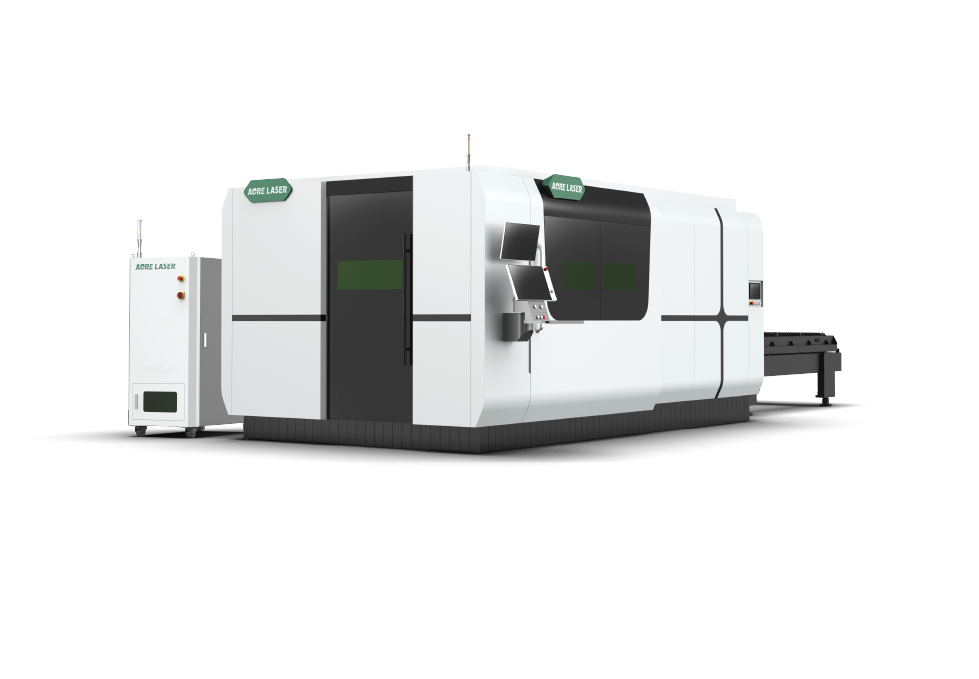
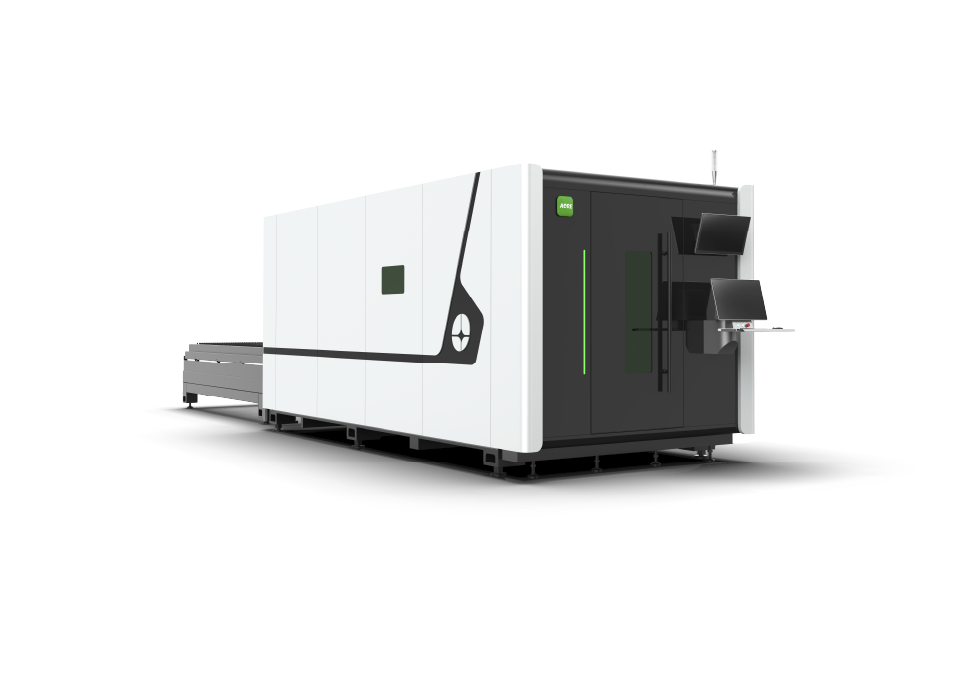
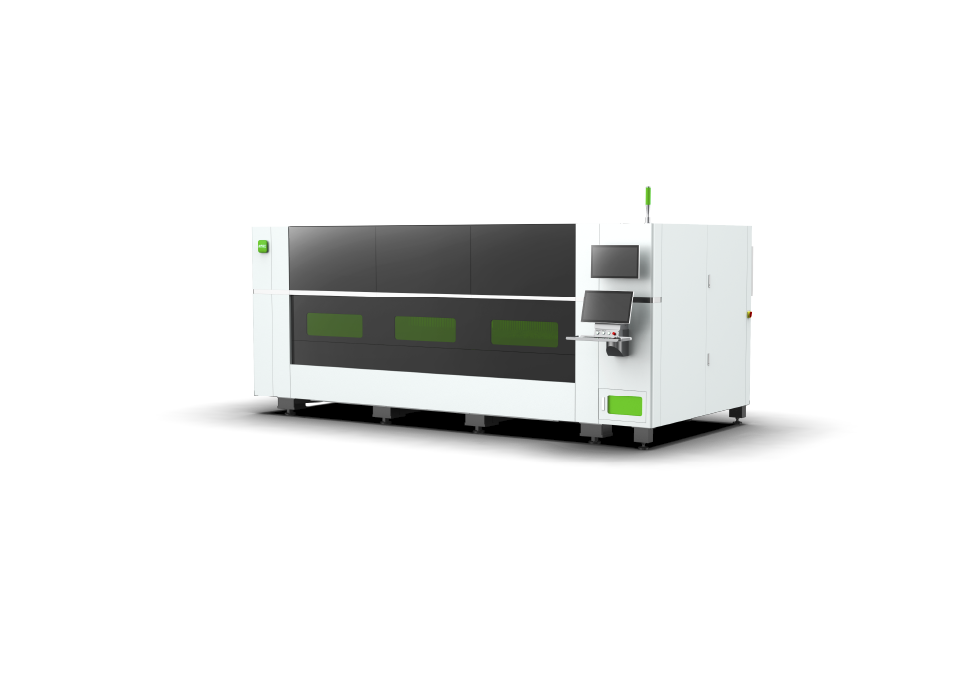
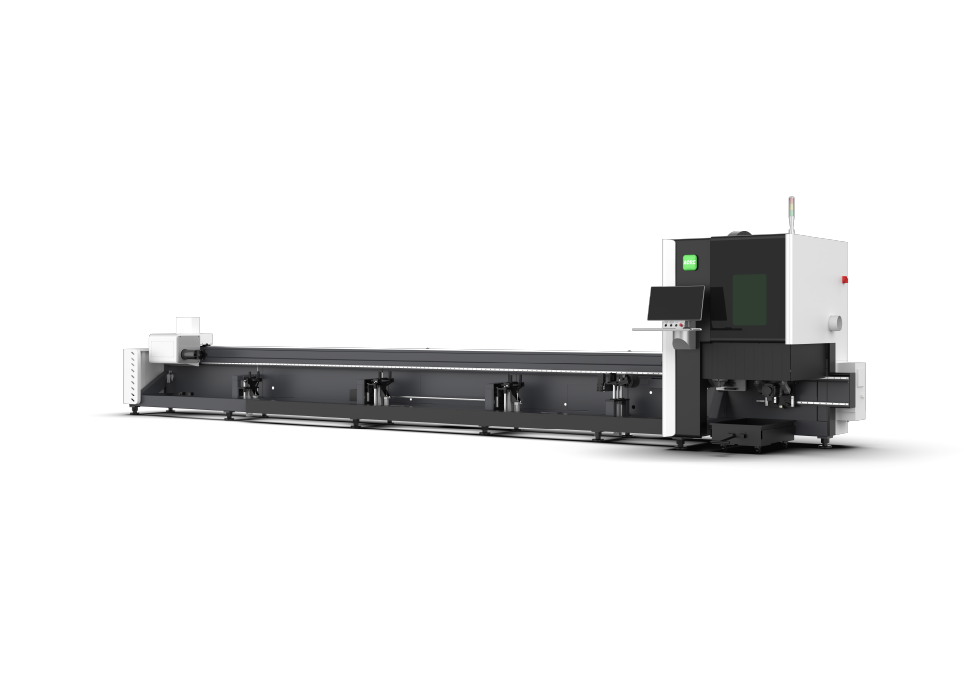
3-12kW
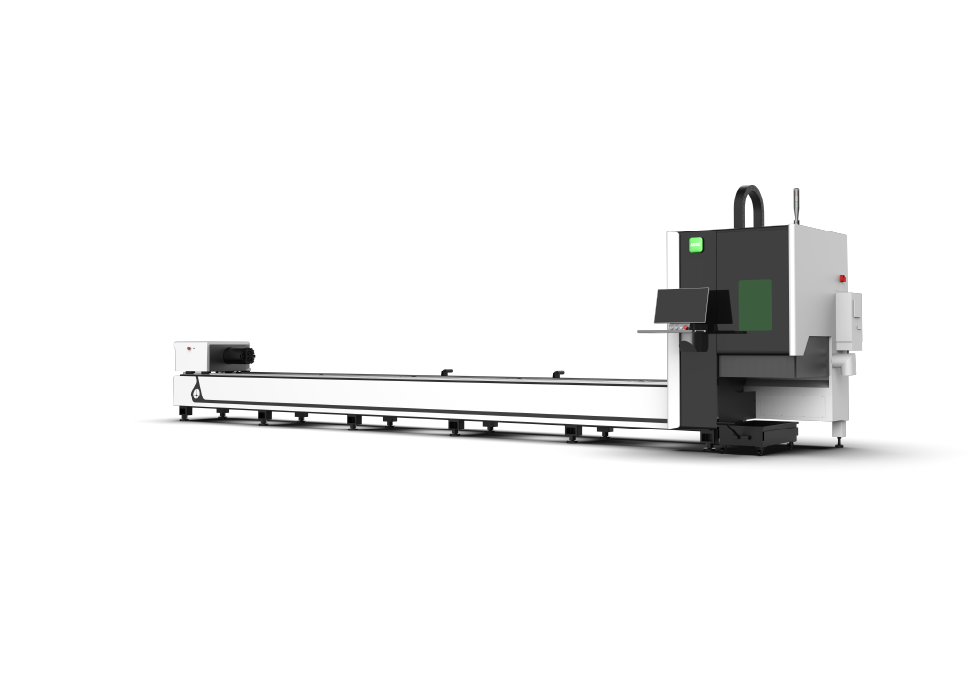
12-40kW
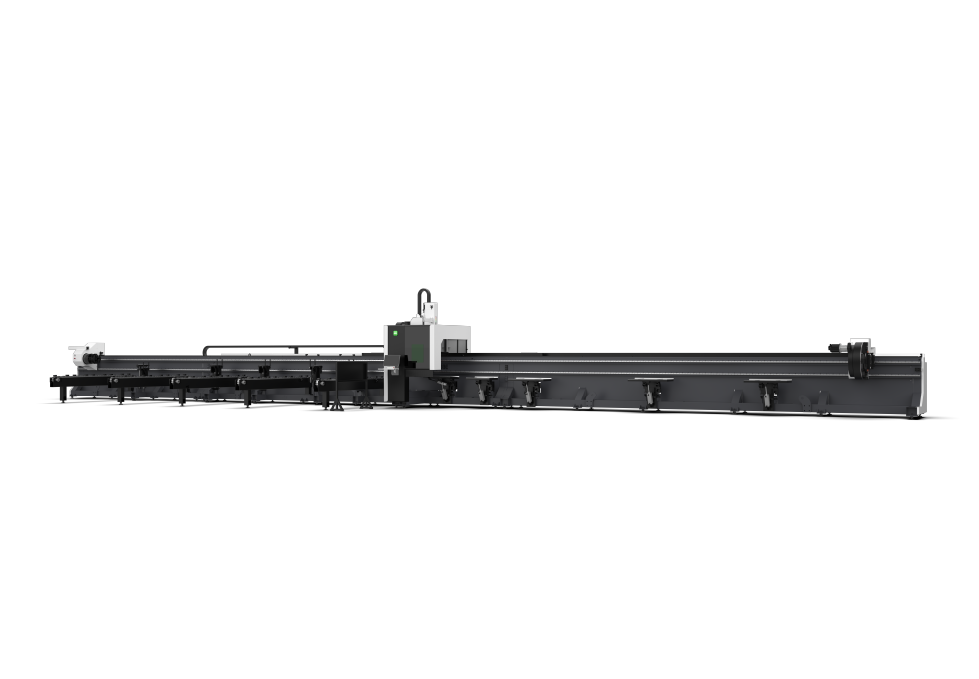
1.5-20kW
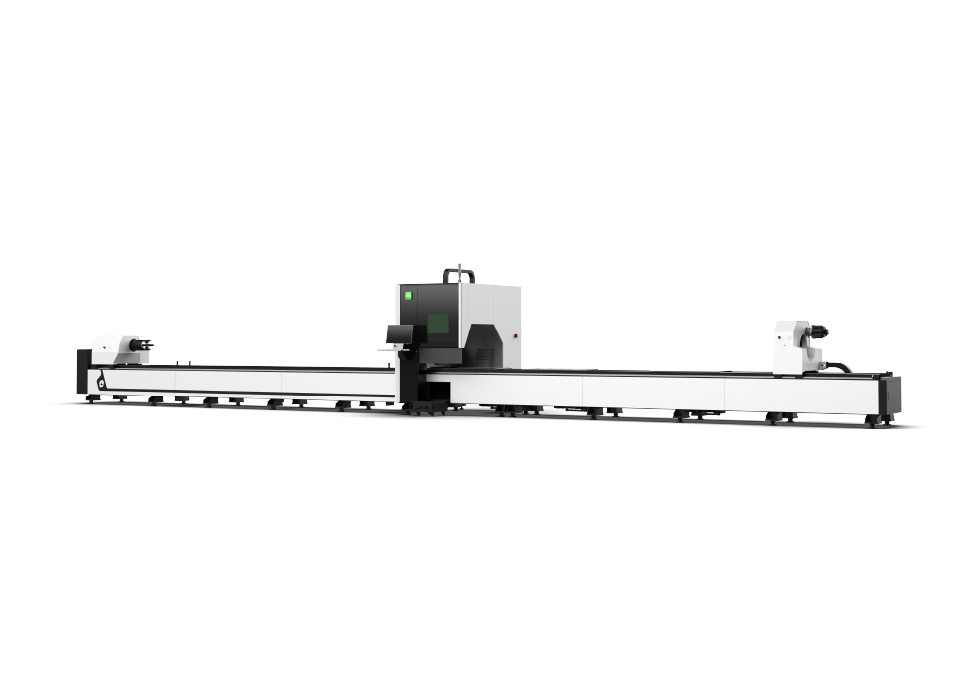
6-60kW
6-40kW
1.5-40kW
8-40kW
1.5-12kW
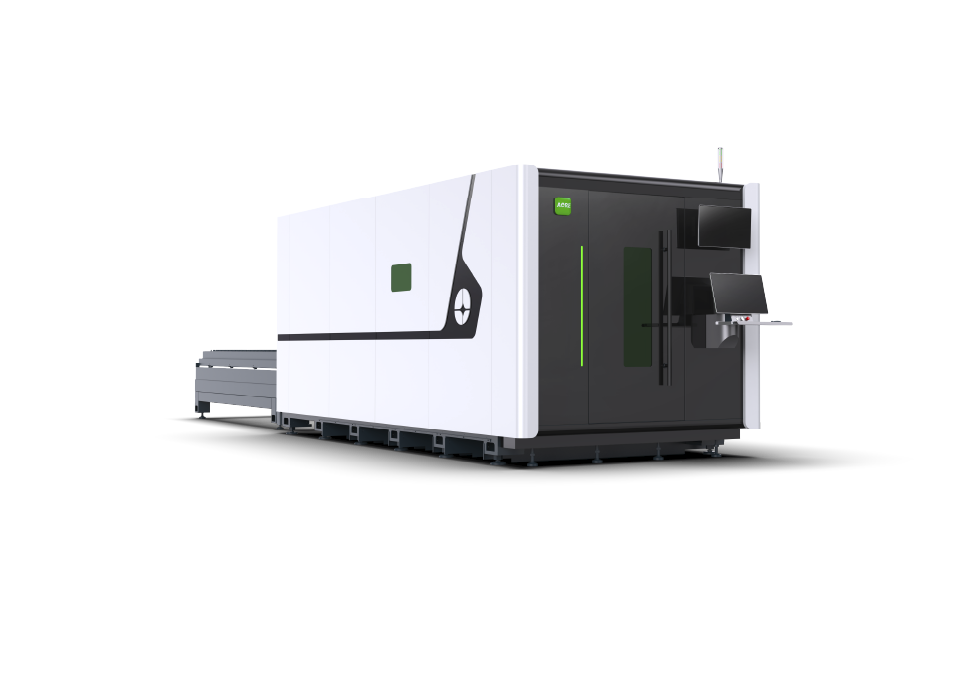
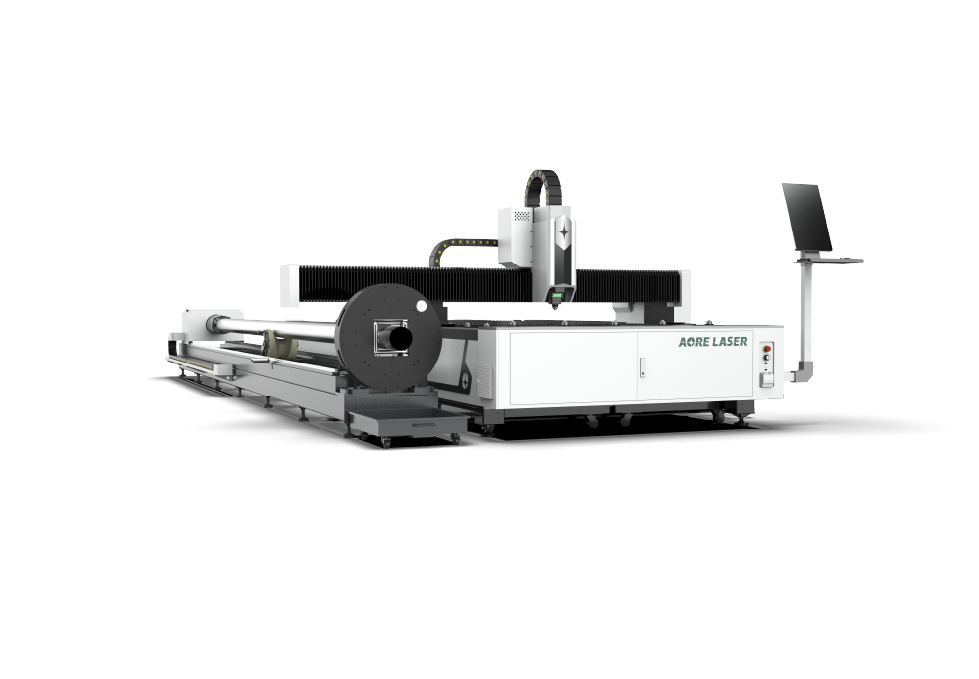
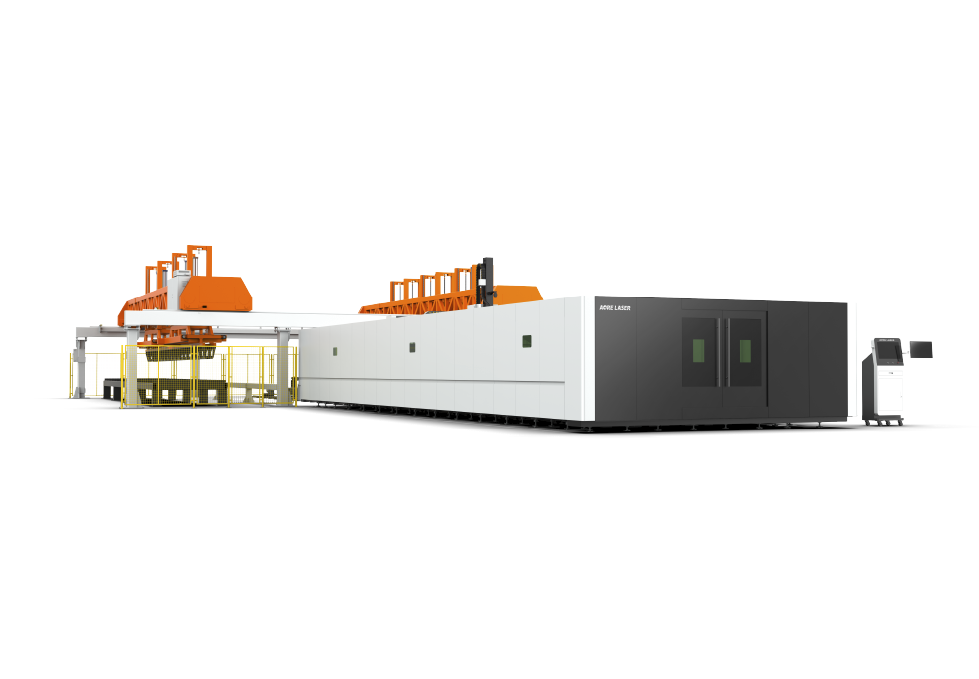
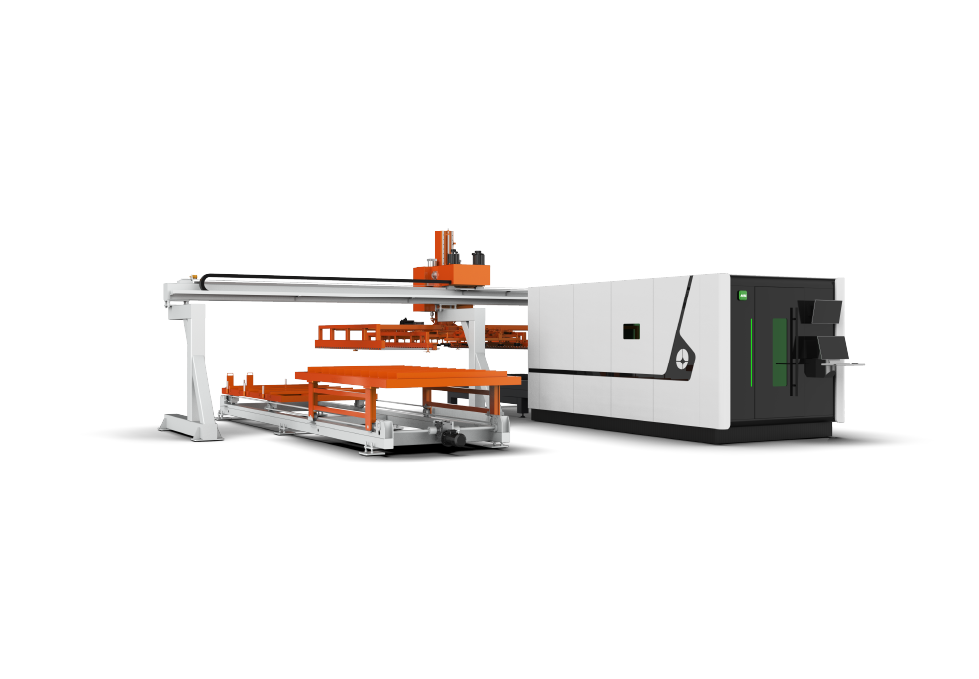
Fully-Protective High-Speed Sheet Laser Cutting Machine
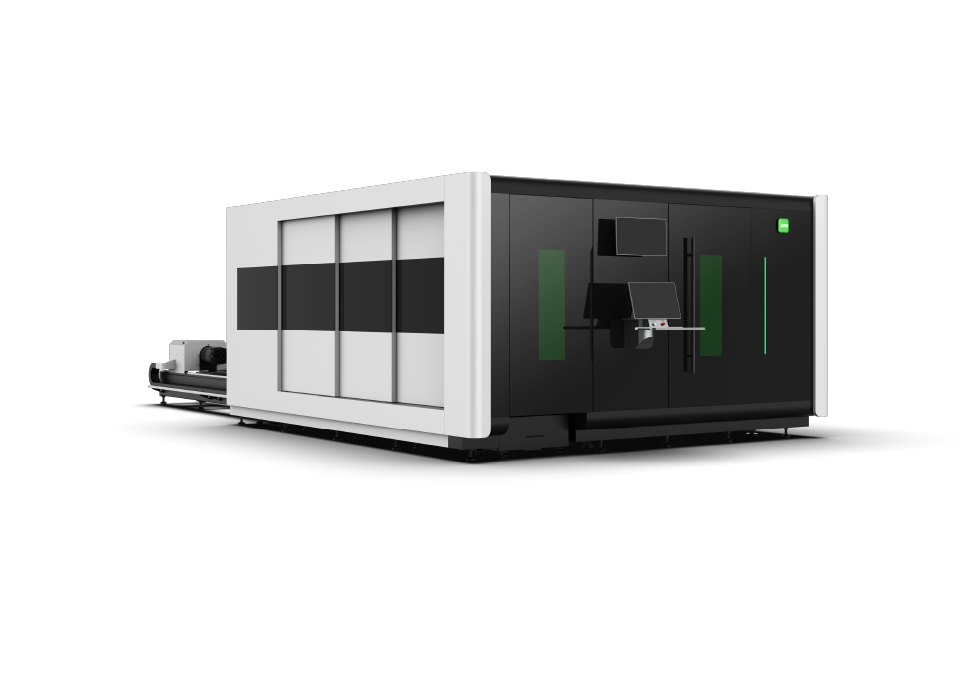
All-In-One Fiber Laser Cutting Machine
Single platform plate laser cutting machine
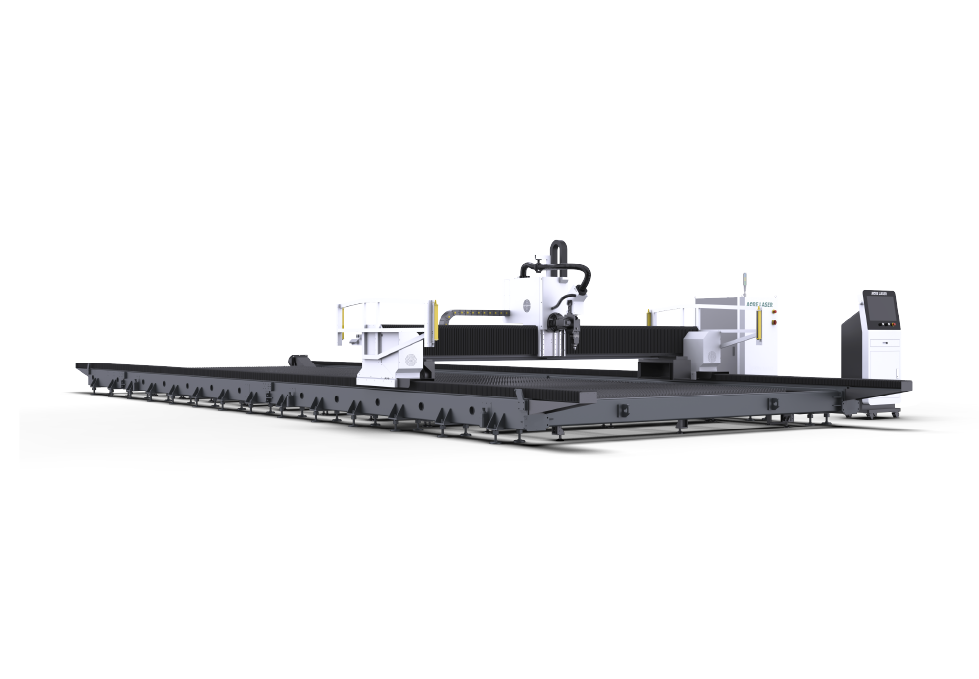
Ground-rail Sheet Fiber Laser Cutting Machine
High-speed Sheet Fiber Laser Cutting Machine
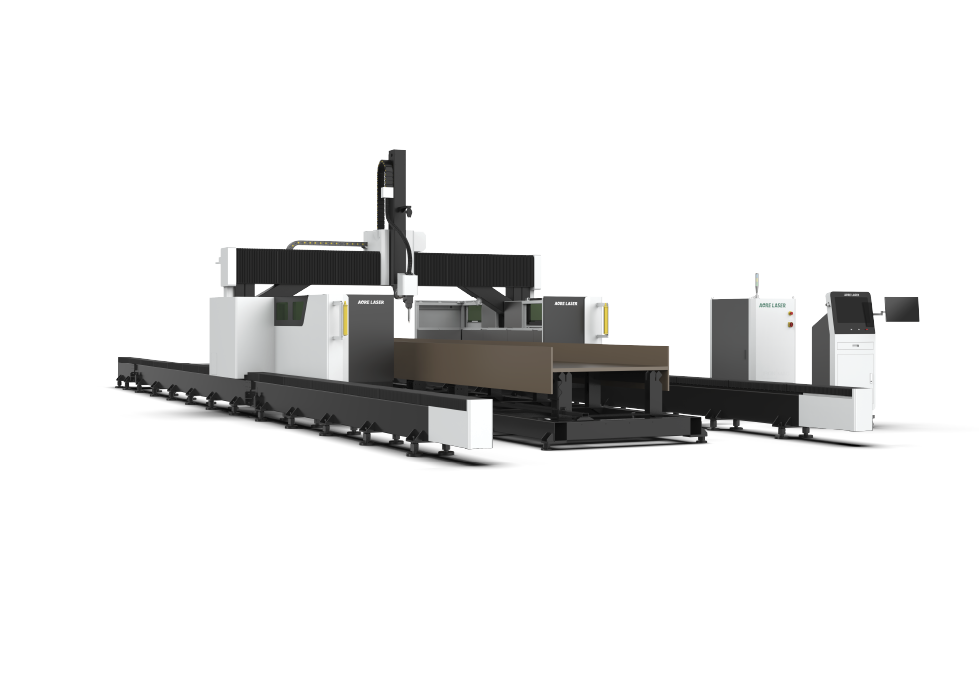
High power sheet laser cutting machine
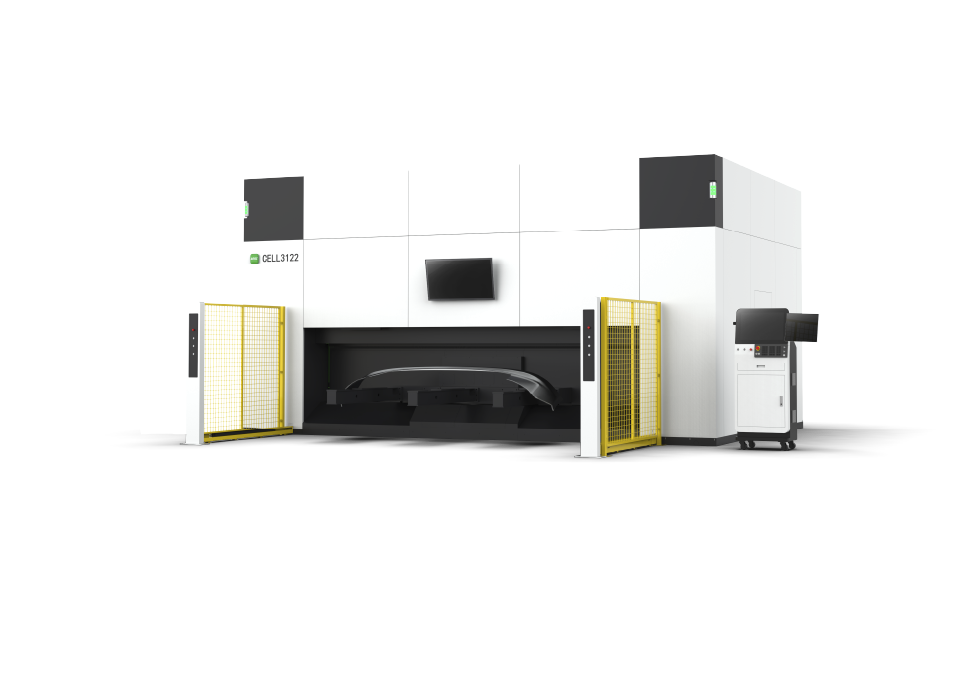
Full-protective Fiber Laser Bevel Cutting Machine
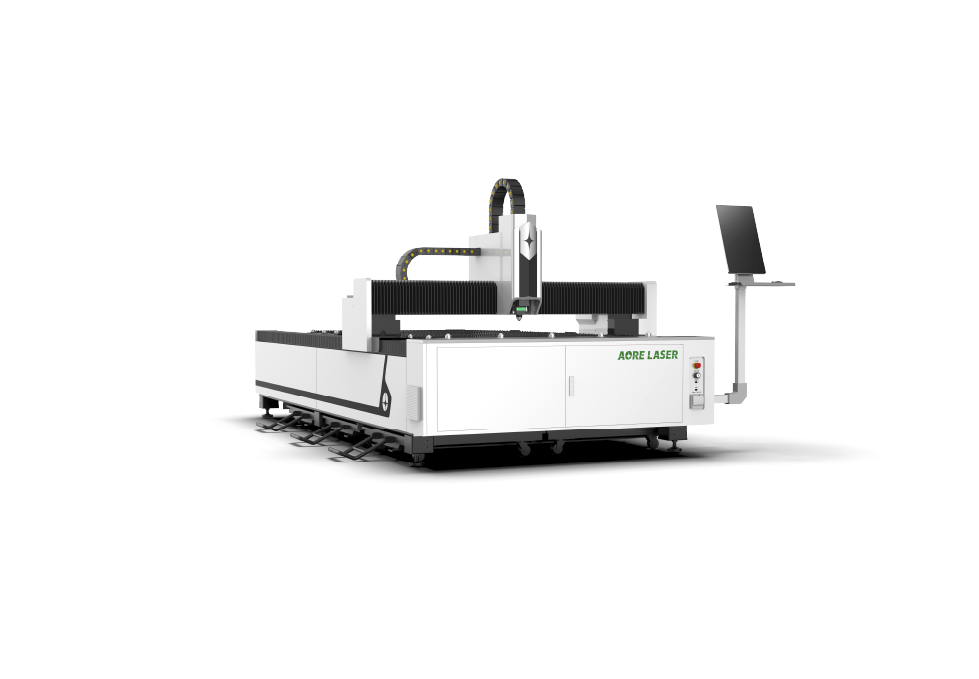
Precision sheet metal laser cutting machine
1.5-3kW
6-12KW
6-20kW
1-3KW
3D Beveling High-Speed Laser Tube Cutting Machine
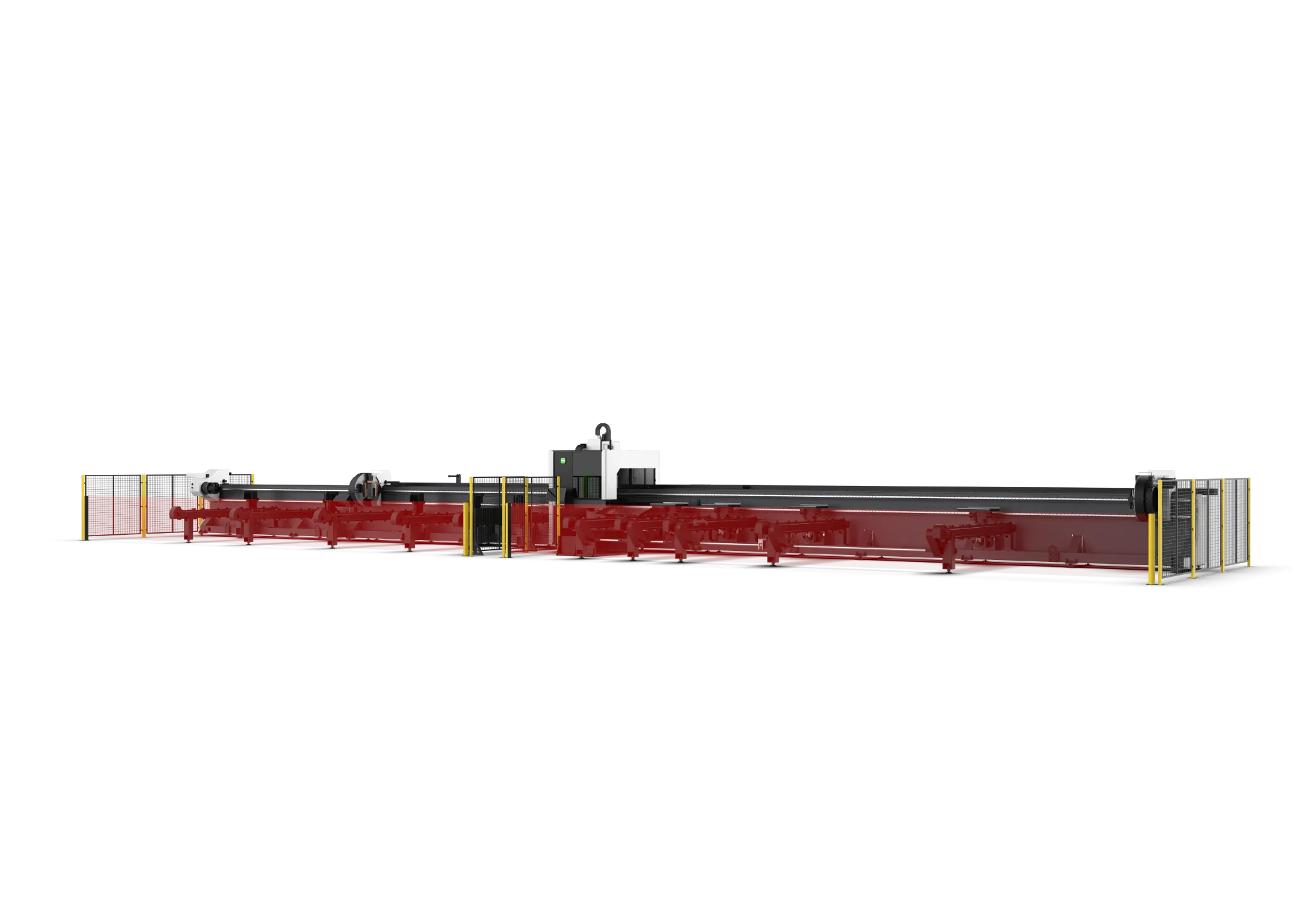
High-speed Tube Laser Cutting Machine
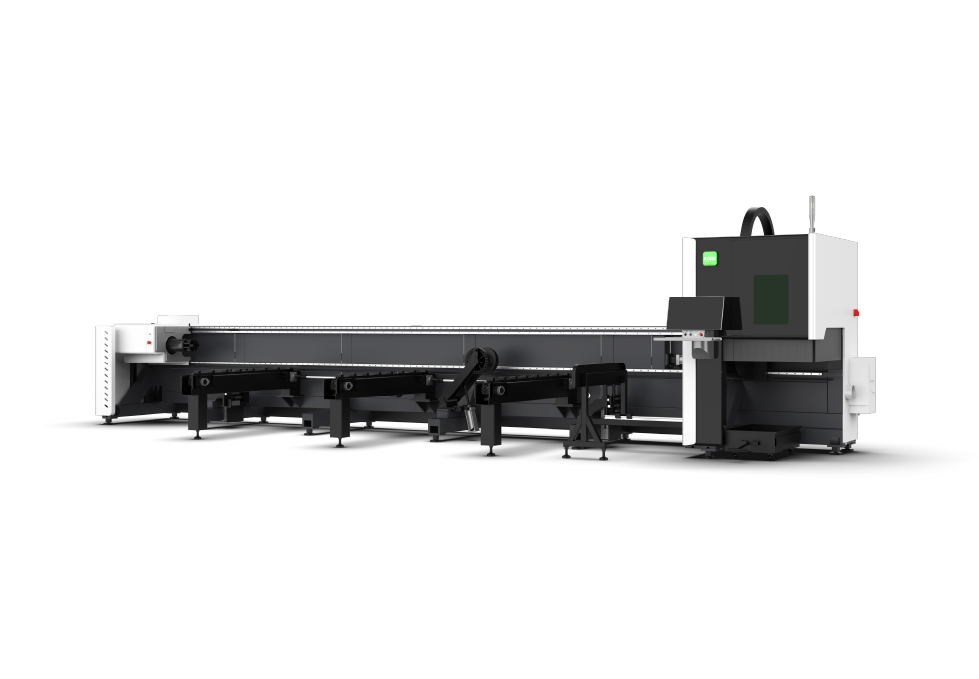
Efficient Tube Fiber Laser Cutting Machine
Three-Chuck Heavy-Duty Tube Laser Cutting Machine
Three-chuck Tube Fiber Laser Cutting Machine
Four-Chuck Fully Floating Fiber Laser Tube Cutting Machine
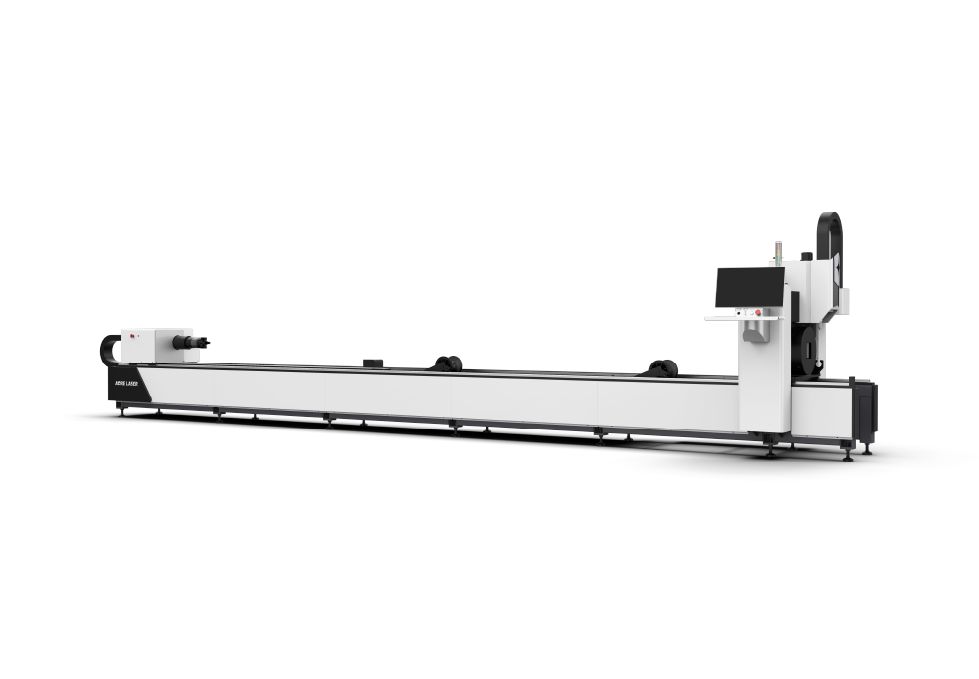
High-speed Tube Fiber Laser Cutting Machine
Economical laser tube cutting machine
Double-platform Sheet and Tube Fiber Laser Cutting Machine
Efficient Sheet and Tube Fiber Laser Cutting Machine
3D Five-axis Fiber Laser Cutting Machine
1.5-6kW
Automated Profile Loading & Unloading System
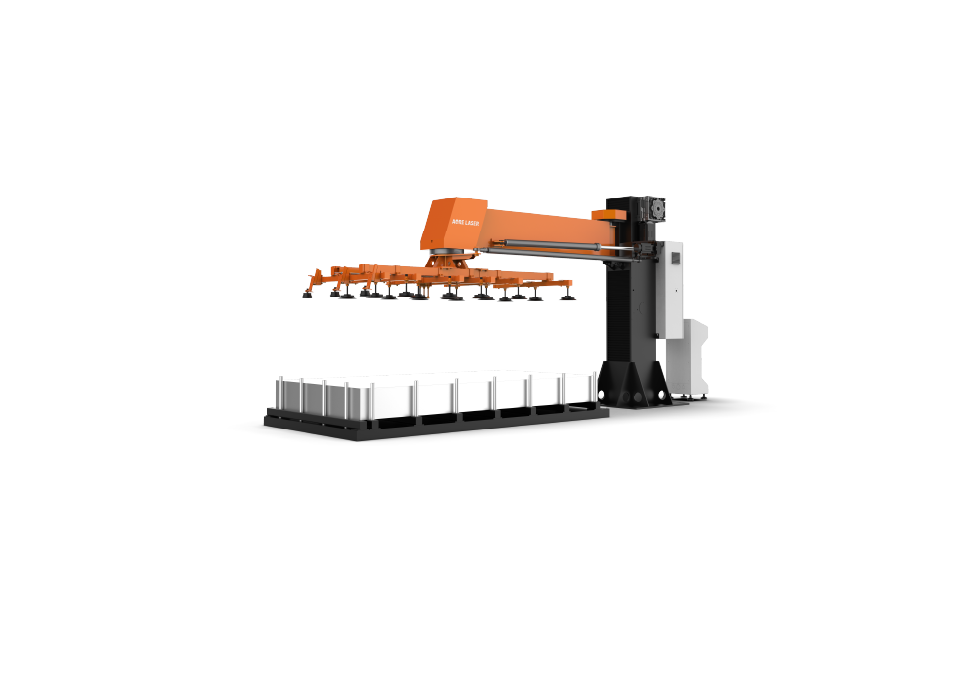
Sheet Metal Warehouse Loader/Unloader
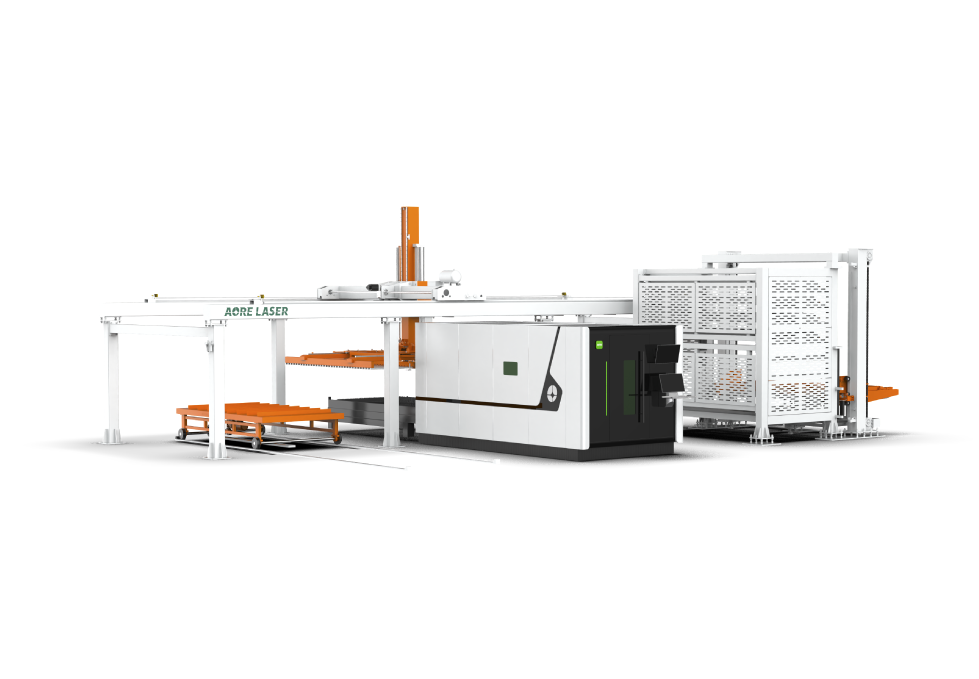
Automatic Sheet Metal Loading Device
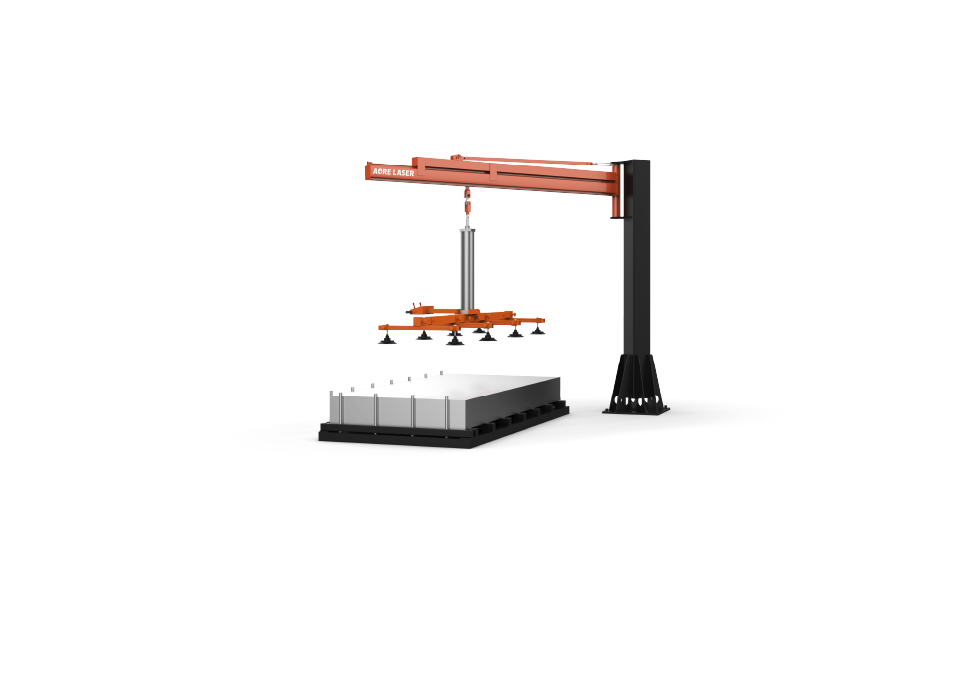
Automatic Cantilever Sheet Metal Loading Device
Cantilever Sheet Metal Loading Device
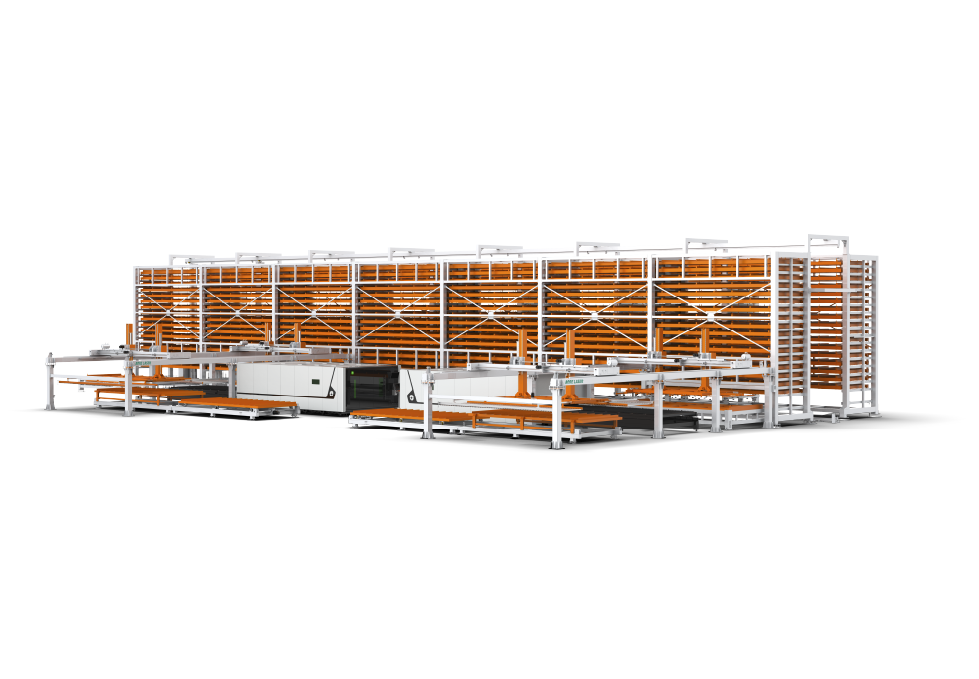
Intelligent Sheet Metal Production Line
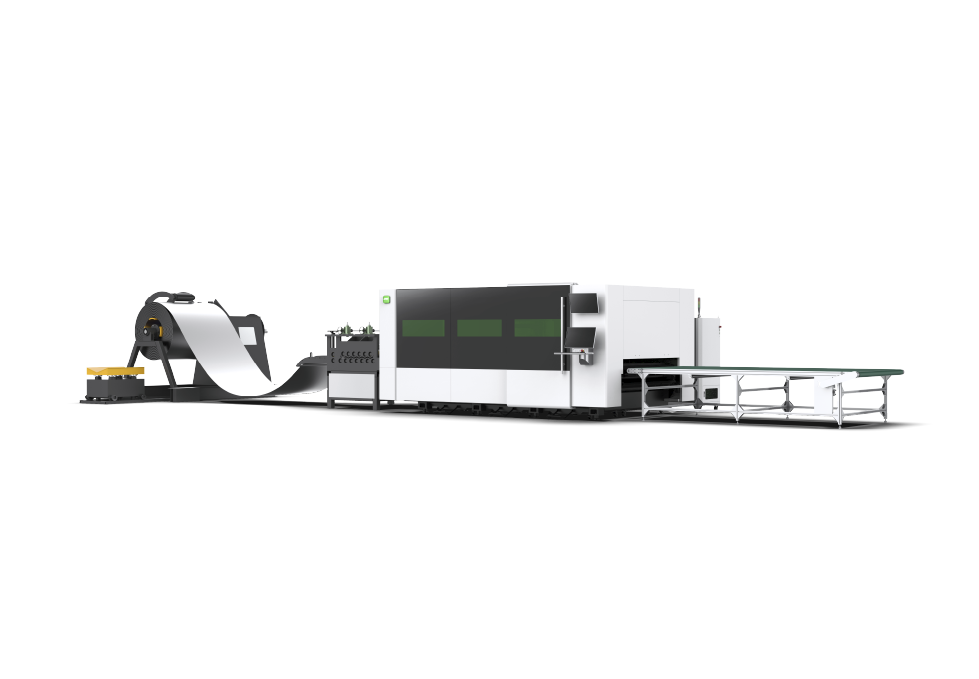
Coil Laser Cutting Production Line
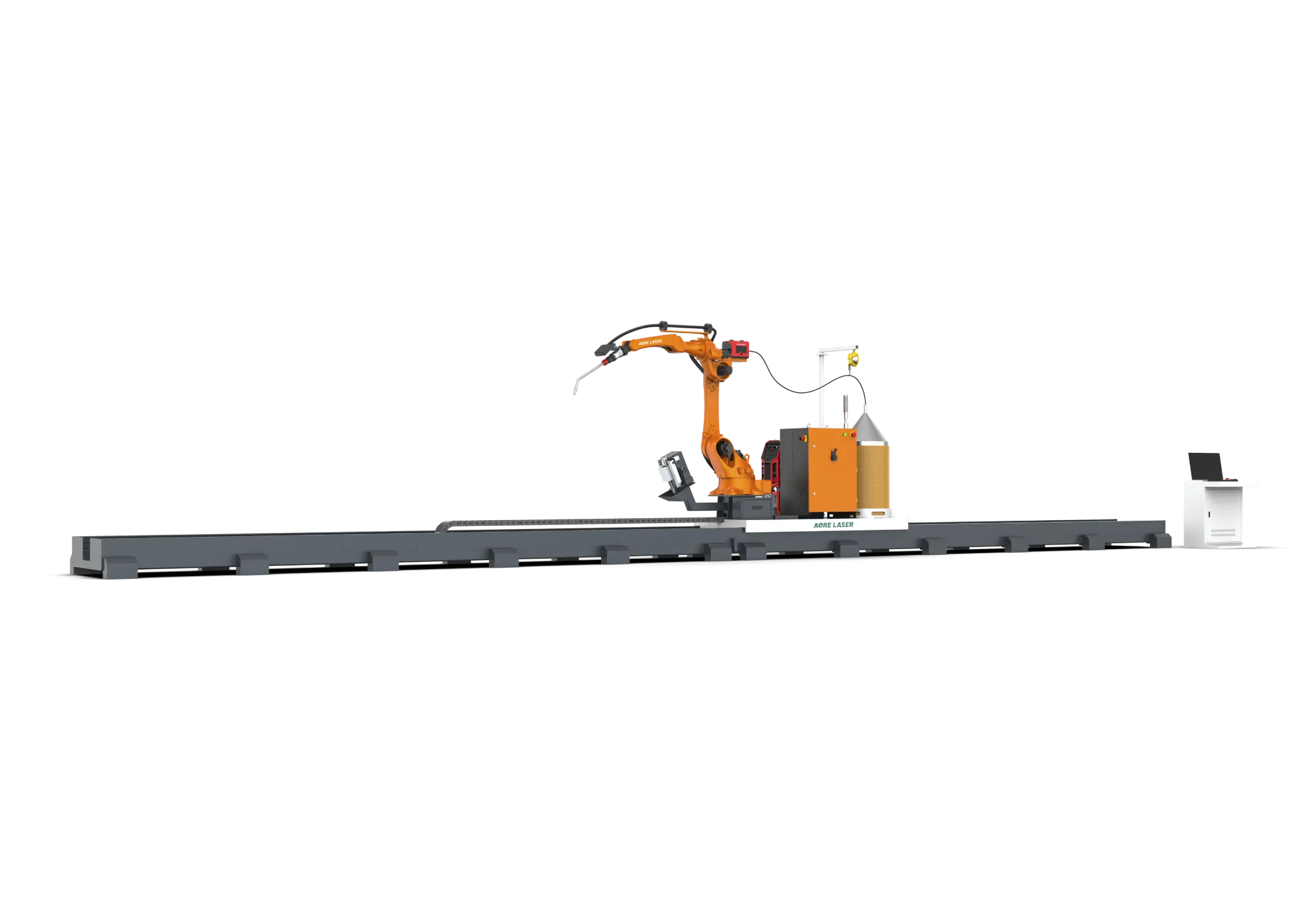
Intelligent Welding Workstation
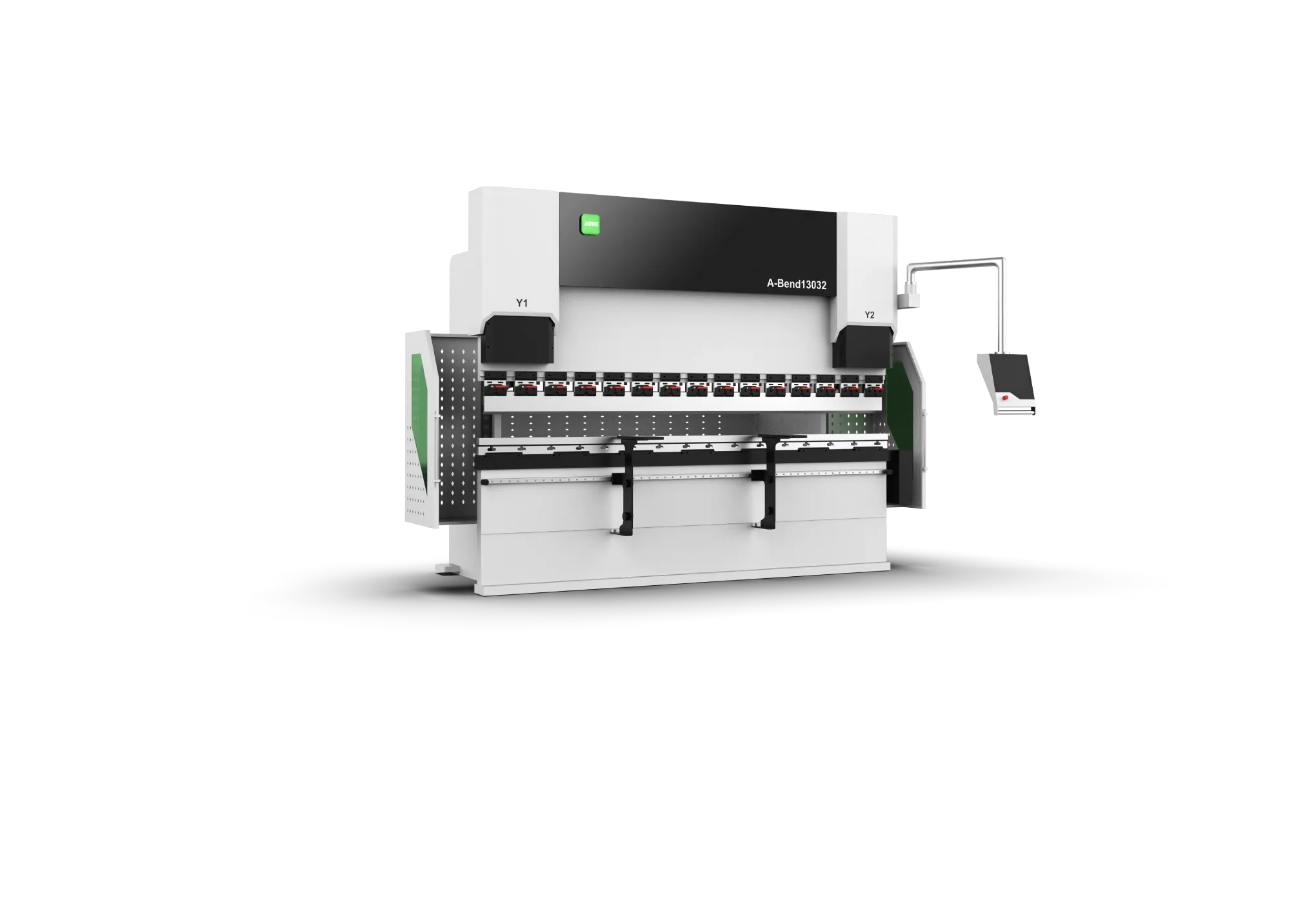
Electro-Hydraulic Servo Press Brake
3kW
Water-cooled Handheld Laser Welding Machine
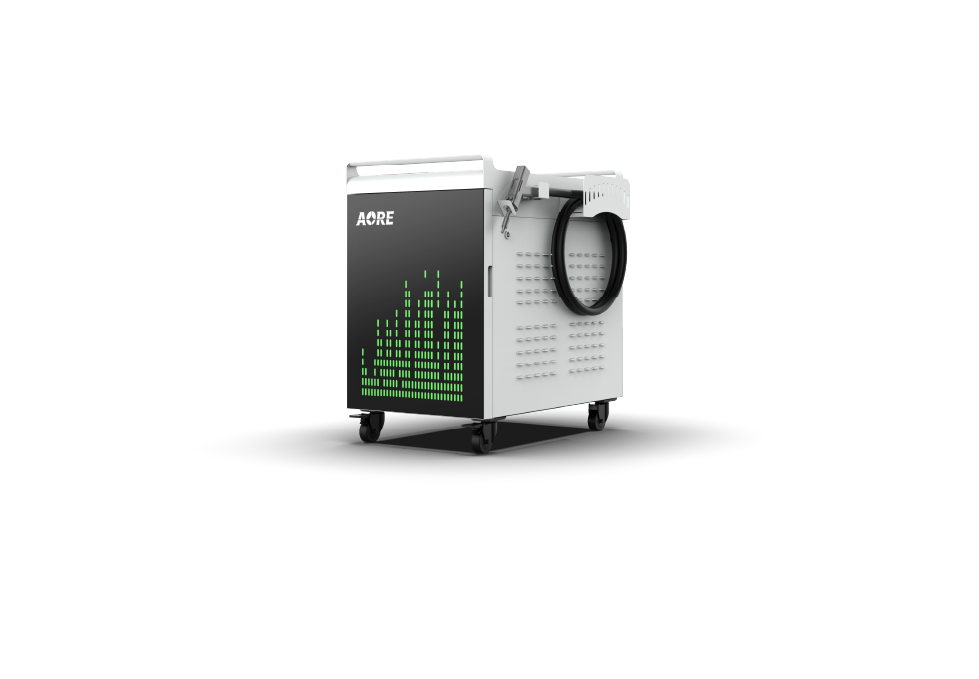
Water-cooled Handheld Laser Cleaning Machine
* Name
* E-mail
* Phone or WhatsApp
* Country
* City
Company
* Cutting Material
* Message
In the metalworking industry, laser cutting has become a mainstream process. The two most widely used methods are fiber laser cutting and CO₂ laser cutting. Both are mature and reliable technologies, but they are suited for different applications. Fiber laser cutting machines are generally better for metal cutting due to higher efficiency, lower maintenance, and better precision. However, CO₂ lasers remain suitable for non-metal materials and certain thick-plate applications.
Factors such as material type, thickness, and production capacity requirements all influence the final choice. Understanding the differences between these two technologies helps companies make more informed decisions.
Fiber lasers are a type of solid-state laser. The laser is generated within the fiber and transmitted directly to the cutting head, with a wavelength of approximately 1.06 μm. This wavelength band has a high absorption rate in metals, resulting in better energy utilization efficiency. The equipment structure is also relatively simple and does not rely on complex optical paths.
CO₂ lasers, on the other hand, are gas lasers. They generate laser light by exciting CO₂ gas through an electric field, with a wavelength of 10.6 μm. This wavelength is more readily absorbed by non-metallic materials. Since the light cannot be transmitted via fiber, the system relies on multiple sets of mirrors to guide the beam, resulting in a more complex structure and higher maintenance requirements.
In thin-sheet processing, fiber laser cutters have a clear advantage in terms of speed. For example, when cutting 1–6 mm stainless steel or carbon steel, fiber lasers are typically 2 to 3 times faster than CO₂ lasers. This gap translates directly into a production capacity advantage, particularly in batch production.
When the thickness exceeds 15 mm, the gap between the two begins to narrow. In certain thick-sheet applications, CO₂ lasers can still maintain stable performance.
In terms of power development, high-power fiber laser equipment has become more widespread. Higher power means faster cutting speeds and a broader range of processing capabilities.
Fiber lasers produce a smaller spot size with more concentrated energy. The kerf is typically between 0.1–0.3 mm, making them suitable for precision machining. Material waste is minimized, and complex shapes are easier to achieve.
A smaller heat-affected zone is another key advantage. Material deformation is reduced, and product consistency is improved. This is particularly critical in precision manufacturing.
In the field of thick plate cutting, CO₂ lasers still hold an advantage. When cutting carbon steel over 20 mm thick, the cut surface is flatter, with less slag, making post-processing easier.
Fiber laser cutters have a distinct advantage in metal processing, particularly with highly reflective materials such as copper, aluminum, and brass. These materials are more challenging for CO₂ lasers and may even pose a risk of reflection.
CO₂ lasers perform better in non-metallic material processing. Materials such as wood, plastic, and acrylic achieve superior cutting results with smooth edges and well-established processing techniques.
Fiber laser cutting machines feature a simple structure and low maintenance requirements. They do not require gas replacement or frequent optical path adjustments, making them more convenient to use overall.
CO₂ laser systems require regular maintenance, including gas replacement, mirror alignment, and resonator cleaning. These tasks increase downtime and maintenance costs.
In terms of energy consumption, the difference is also significant. Fiber lasers achieve an electro-optical conversion efficiency of 30%–40%, while CO₂ lasers typically range from 10%–15%. This means that over the long term, fiber laser equipment is more energy-efficient.
Equipment pricing is significantly influenced by power output, cutting area, and automation configurations. Generally, fiber laser cutters require a higher initial investment.
However, in the long term, fiber lasers offer higher efficiency and lower maintenance costs, typically allowing for a return on investment within 1–3 years.
CO₂ machines have lower purchase prices but higher operating costs, making them more suitable for specific applications or scenarios with limited budgets.
If your primary focus is processing thin metal sheets and efficiency is a priority, fiber lasers are the more straightforward choice. If your production involves a significant amount of non-metallic materials, CO₂ remains a stable and reliable solution.
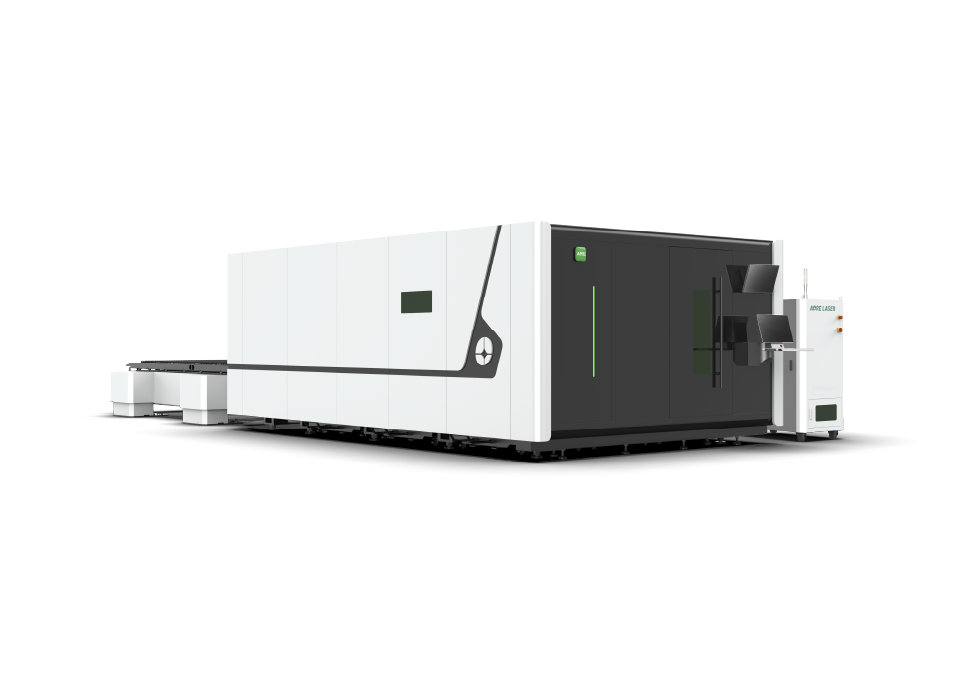
Beyond standard machine selection, if your processing focus is shifting toward medium-to-thick plates while maintaining efficiency and automation levels, you may want to consider more specialized solutions. Enclosed fiber laser cutting machines are one such option, such as the PG series from AORE LASER.
The PG series is specifically optimized for thick-plate processing. The machine bed features a more robust structure, typically employing a high-rigidity design and a double-beam frame, which minimizes thermal deformation caused by prolonged processing and ensures stable precision.
Under high-power operating conditions, heat-resistant and ablation-resistant designs are equally critical. These enhancements improve equipment reliability, making the machines suitable for continuous production environments.
Safety features have also been enhanced in the PG series laser cutters. The fully enclosed structure isolates laser radiation and fumes while facilitating automated loading and unloading. Combined with anti-collision systems and dynamic monitoring functions, these features reduce the risk of malfunctions and lower maintenance demands.
This type of equipment is particularly well-suited for industries such as construction machinery, steel structures, and heavy-duty equipment. These applications typically involve thick-plate processing and demand high stability. Traditional CO₂ machines have efficiency limitations, while standard fiber machines may lack sufficient structural strength. Dedicated thick-plate solutions effectively fill this gap.
Fiber laser cutters and CO₂ laser cutters each have their distinct applications. One is better suited for high-efficiency metal processing, while the other retains advantages in non-metallic materials and certain thick-plate applications. As processing demands continue to evolve, equipment selection is becoming increasingly specialized. For companies moving toward thick-plate and high-power applications, adopting more specialized fiber solutions can help improve overall production line performance and support long-term growth.
FAQ
1. Is fiber laser cutter better than CO₂?
Both have their strengths. Fiber lasers are superior for high-speed, precise cutting of metals (steel, aluminum, brass) and have lower operating costs, while CO₂ lasers excel at cutting and engraving organic materials (wood, acrylic, textiles) and thicker materials.
2. How long does a CO₂ laser machine last?
A CO₂ laser machine can last for 5–10 years, but the core laser tube is a consumable component with a shorter lifespan, typically lasting between 1,500 and 10,000+ hours depending on the type.
3. Which type of equipment is better suited for small and medium-sized enterprises?
If metal processing is the primary application, CNC fiber laser cutting machines offer better long-term value for money.
4. Can you laser cut plastic?
Yes, you can laser cut many types of plastic, most effectively using a CO₂ laser.
Aore Laser Shines at EXPOMAFE 2025, Showcasing Cutting-Edge Metal Processing Solutions
AORE-FIMAQH Argentina 2025
Aorelaser uses "Essential Cookies" to ensure the operation of the website, while others help us improve your user experience. By clicking "Accept All", you agree to our use of all cookies. You can also change your cookie settings by going to your preferences. For more information about cookies, please see our Cookie Policy.(The data storage period is 7 days)
Essential cookies enable basic functionality and are necessary for the website to work properly.
Preference cookies allow websites to remember your choices (such as language preference) and provide a more personal experience.
Statistics cookies collect information anonymously. This information helps us understand how our visitors use our website.
Marketing cookies are used by third parties or publishers to display personalized advertisements. This is done by tracking visitors across websites.