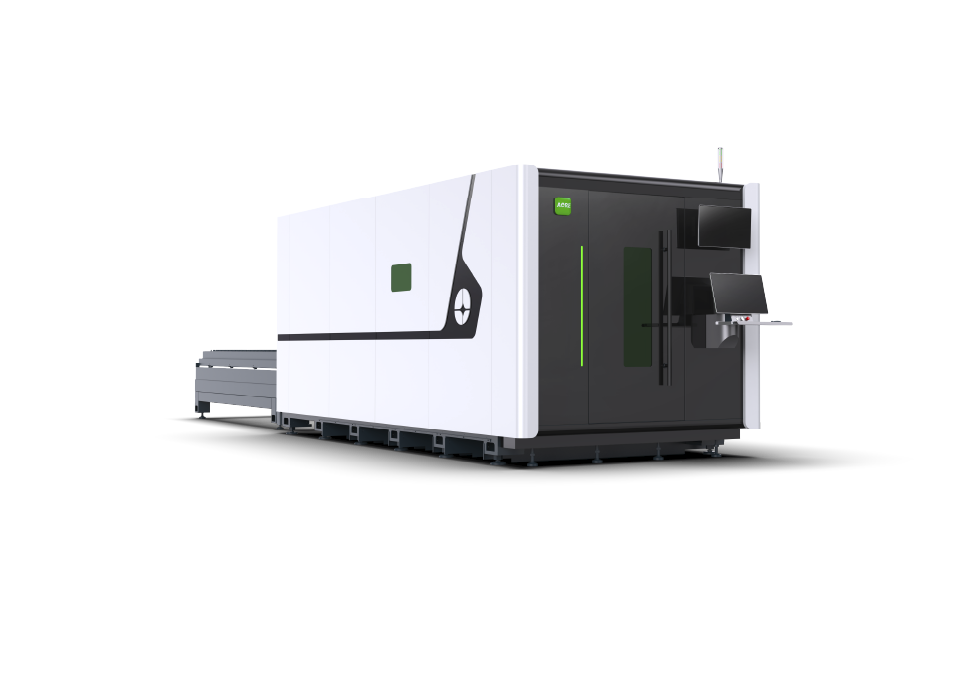
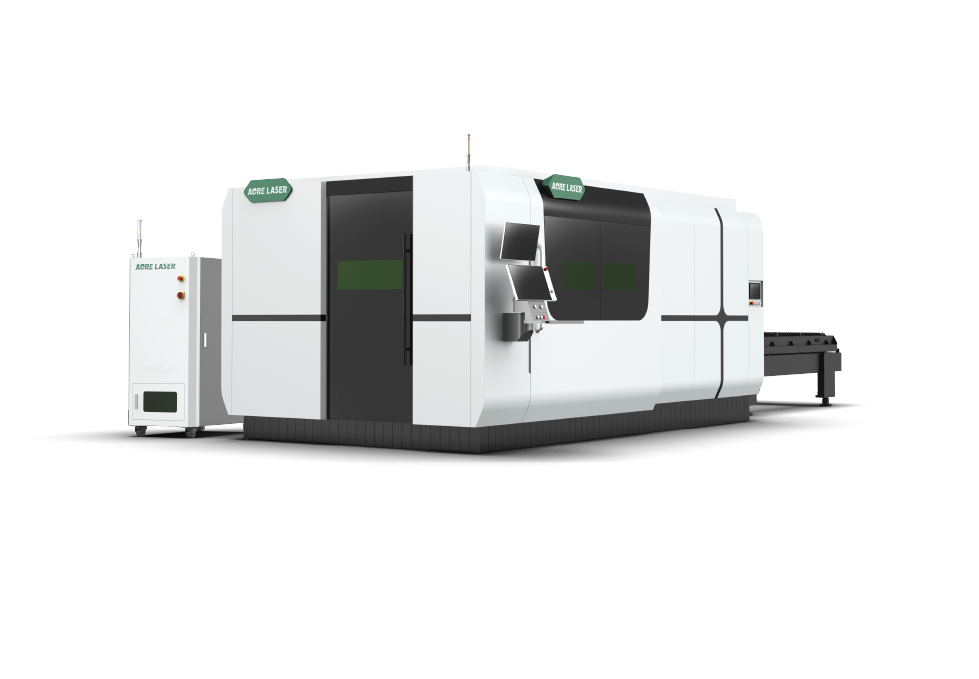
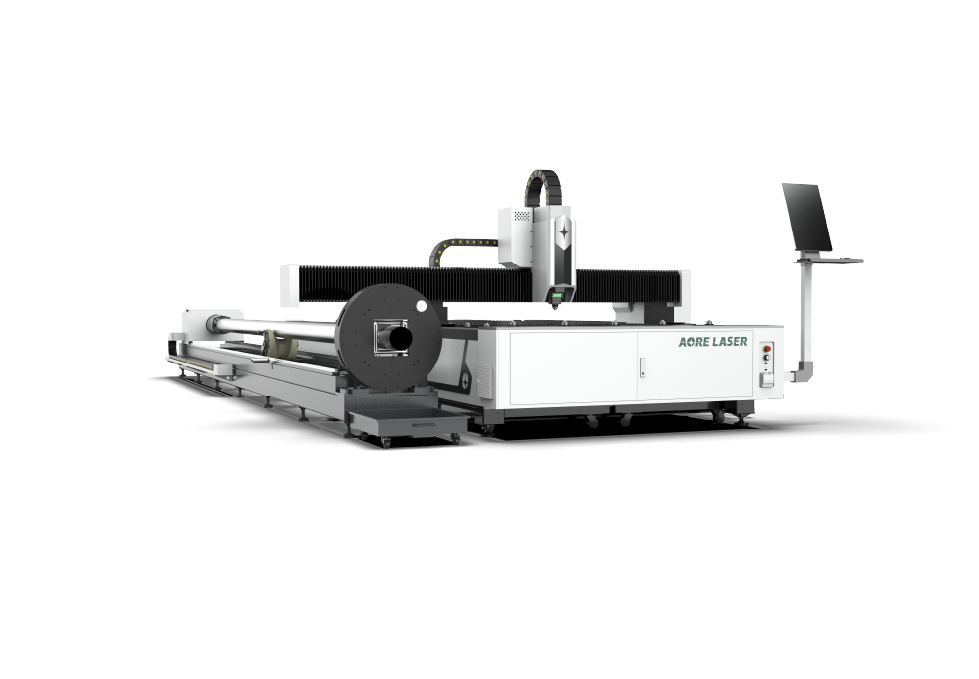
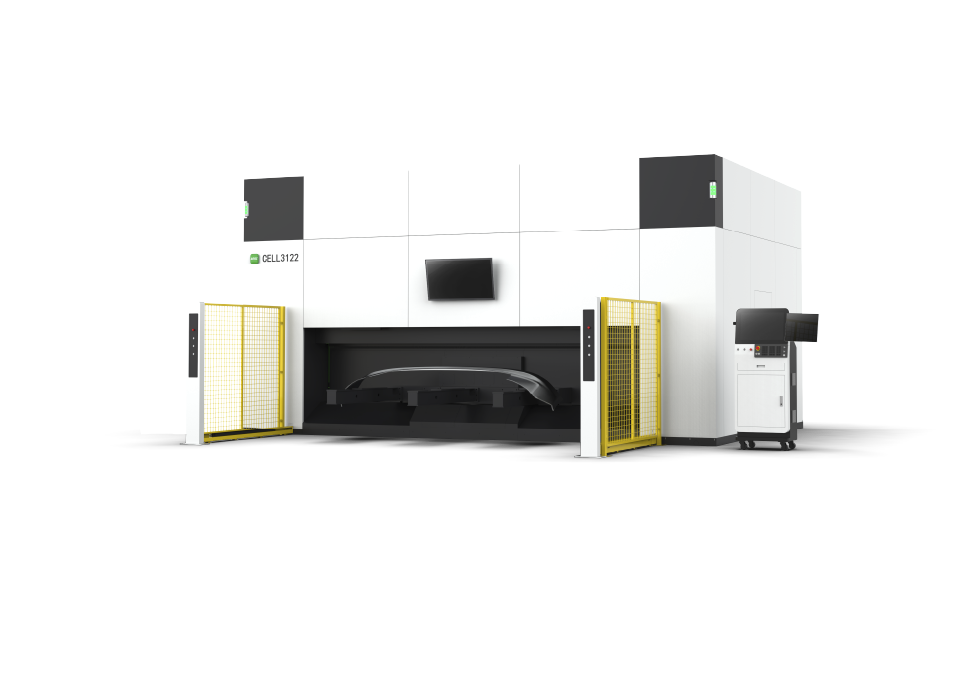
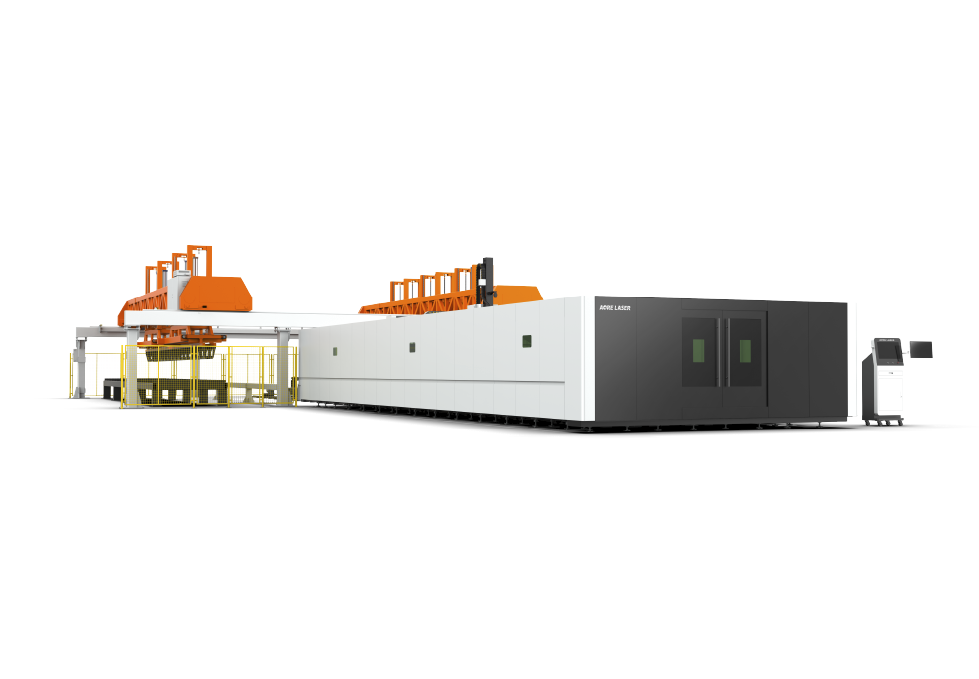
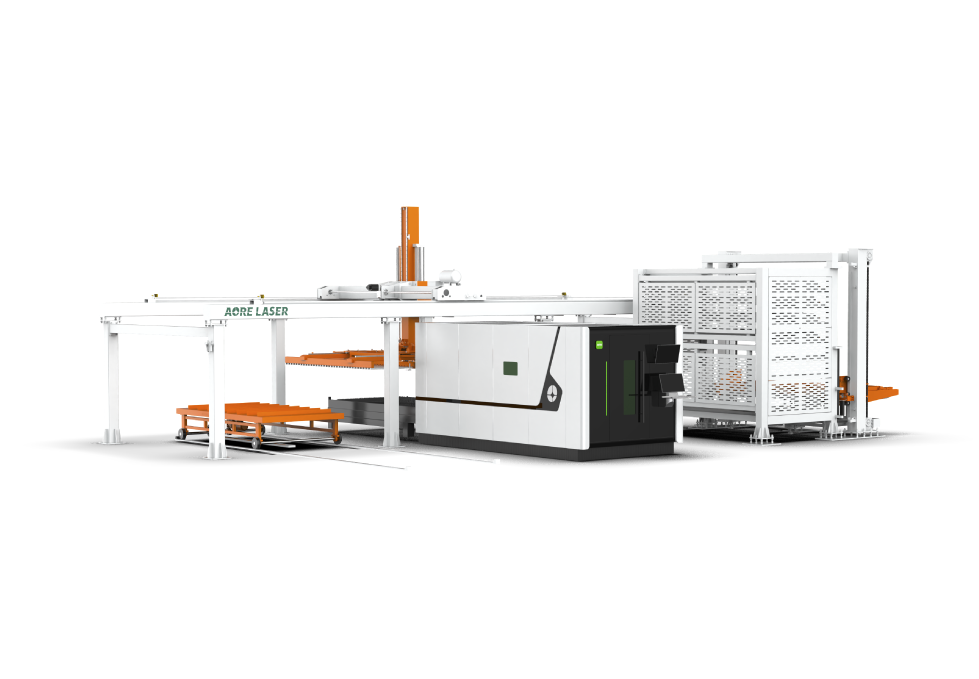
3-12kW
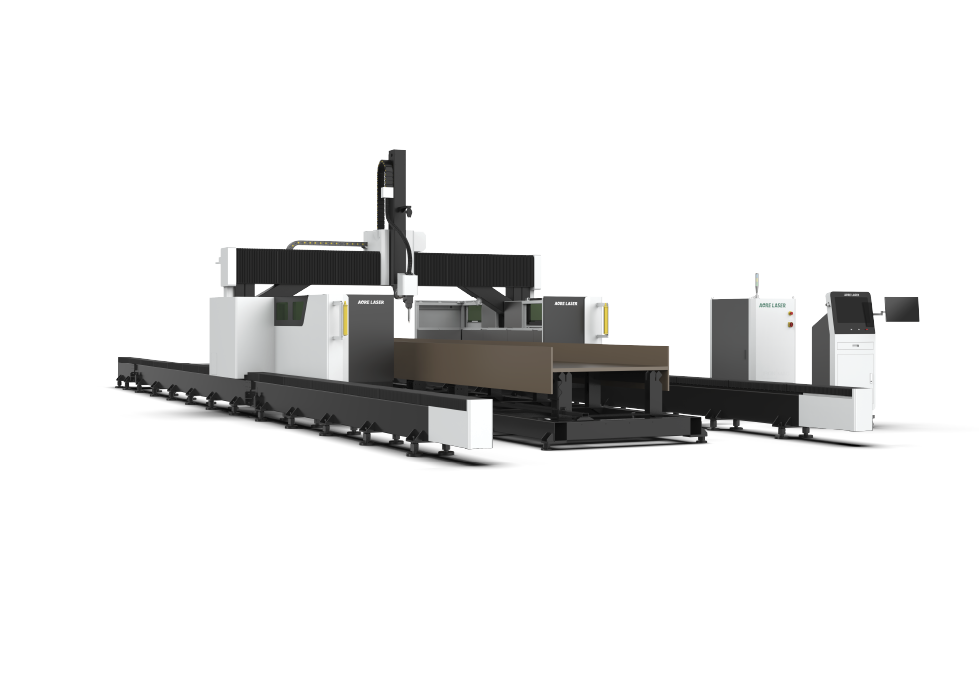
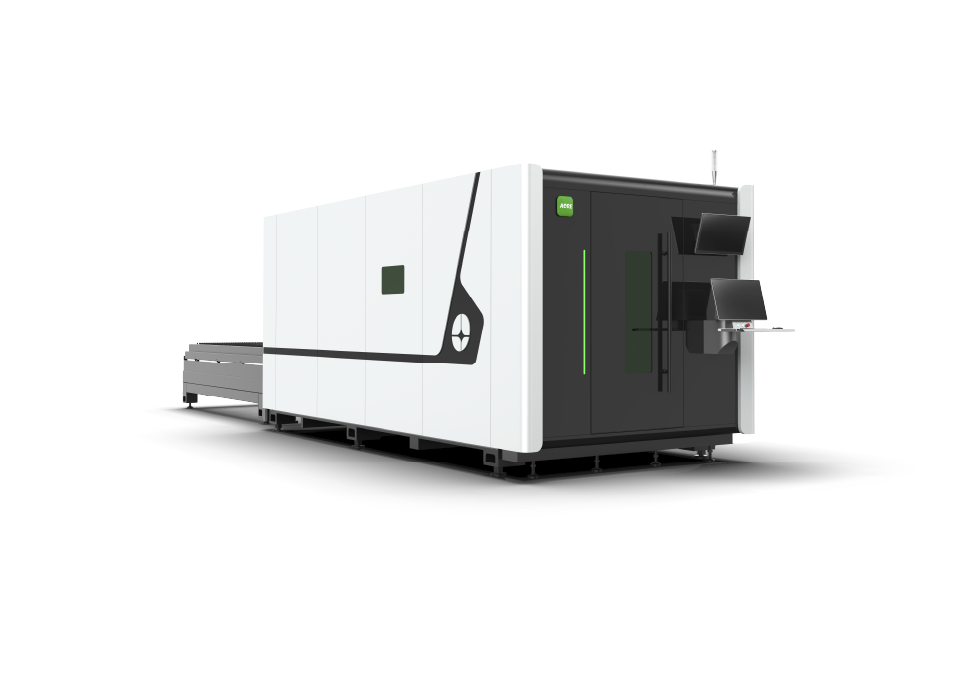
12-40kW
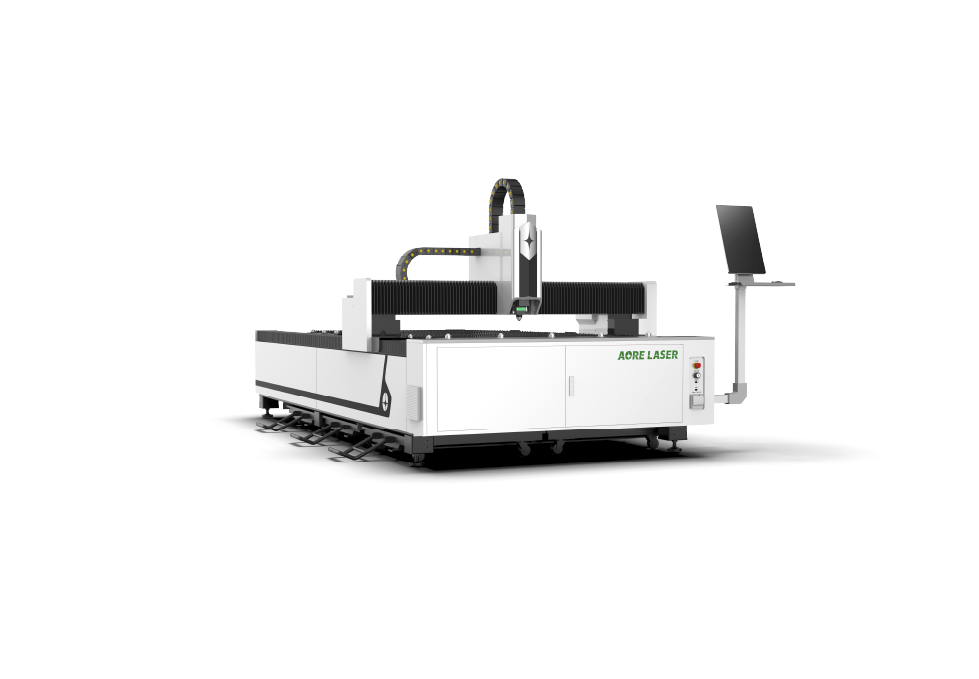
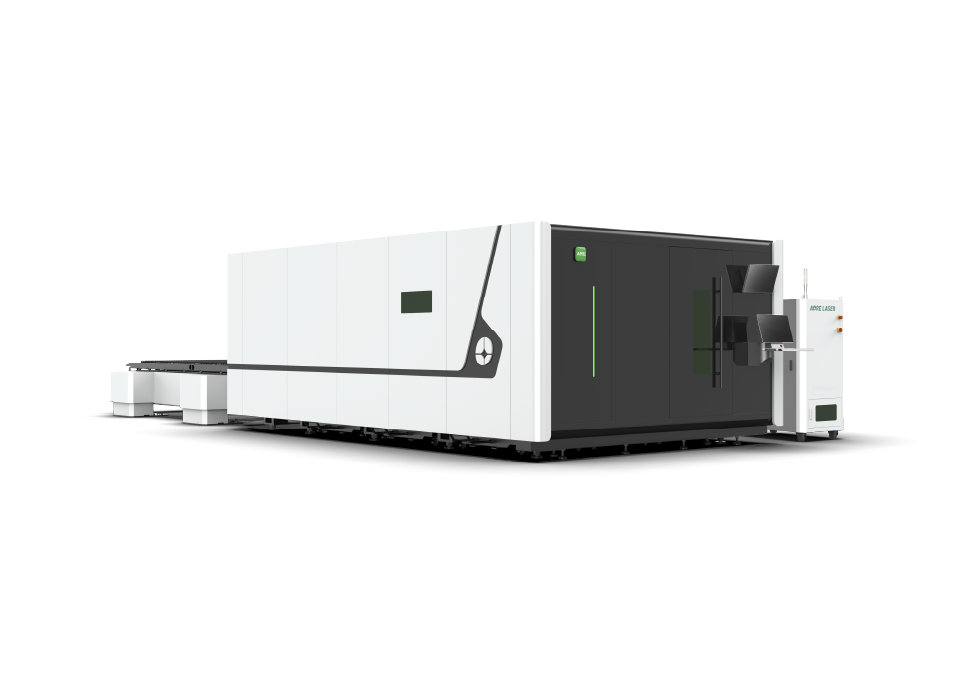
1.5-20kW
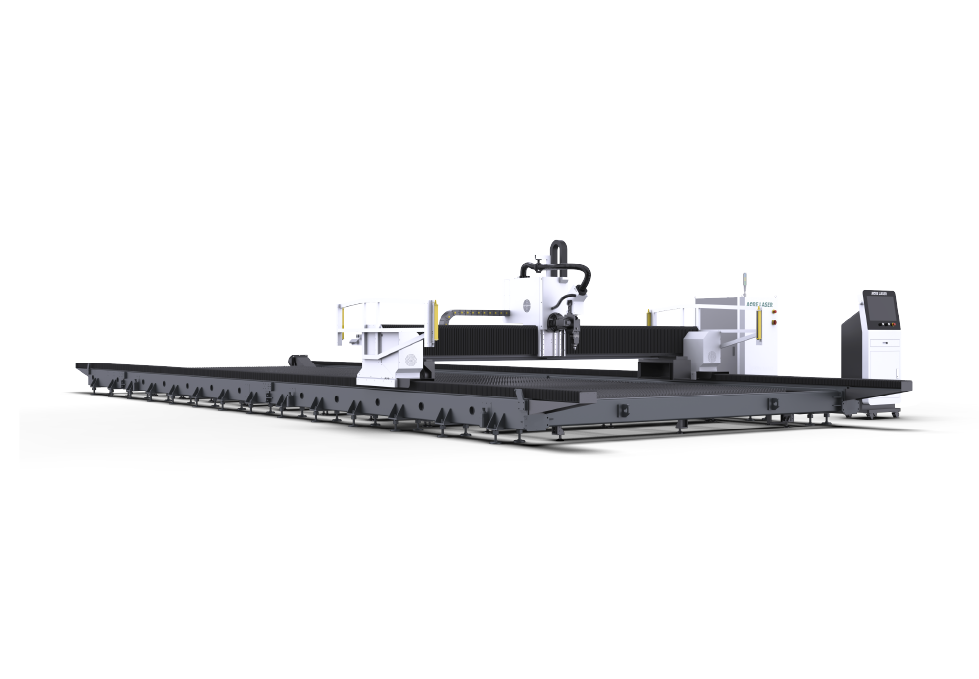
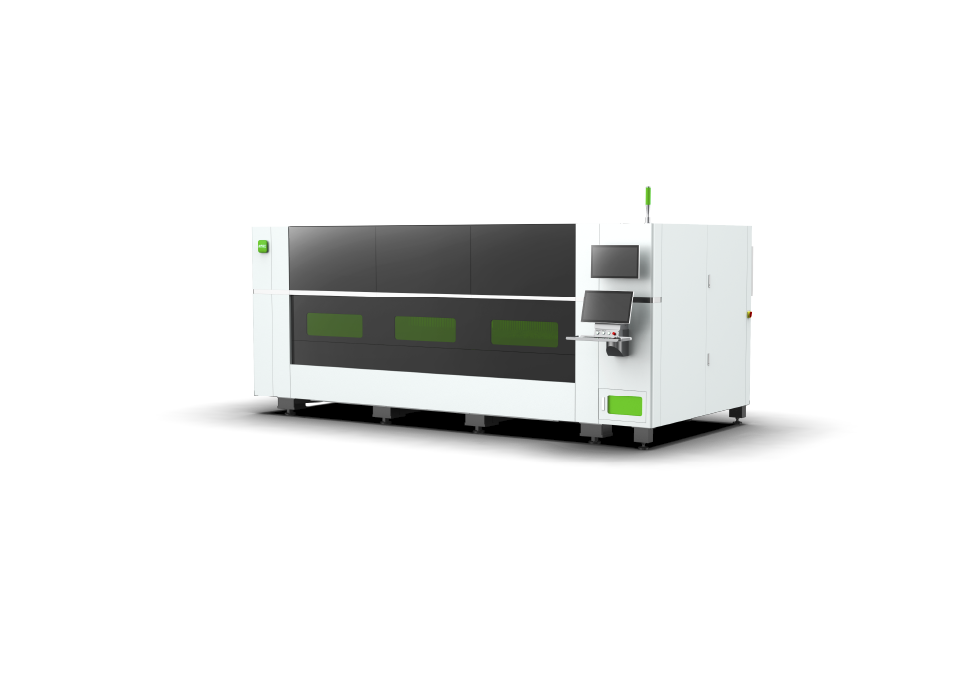
6-60kW
6-40kW
1.5-40kW
8-40kW
1.5-12kW
Fully-Protective High-Speed Sheet Laser Cutting Machine
All-In-One Fiber Laser Cutting Machine
Single platform plate laser cutting machine
Ground-rail Sheet Fiber Laser Cutting Machine
High-speed Sheet Fiber Laser Cutting Machine
High power sheet laser cutting machine
Full-protective Fiber Laser Bevel Cutting Machine
Precision sheet metal laser cutting machine
1.5-3kW
6-12KW
6-20kW
1-3KW
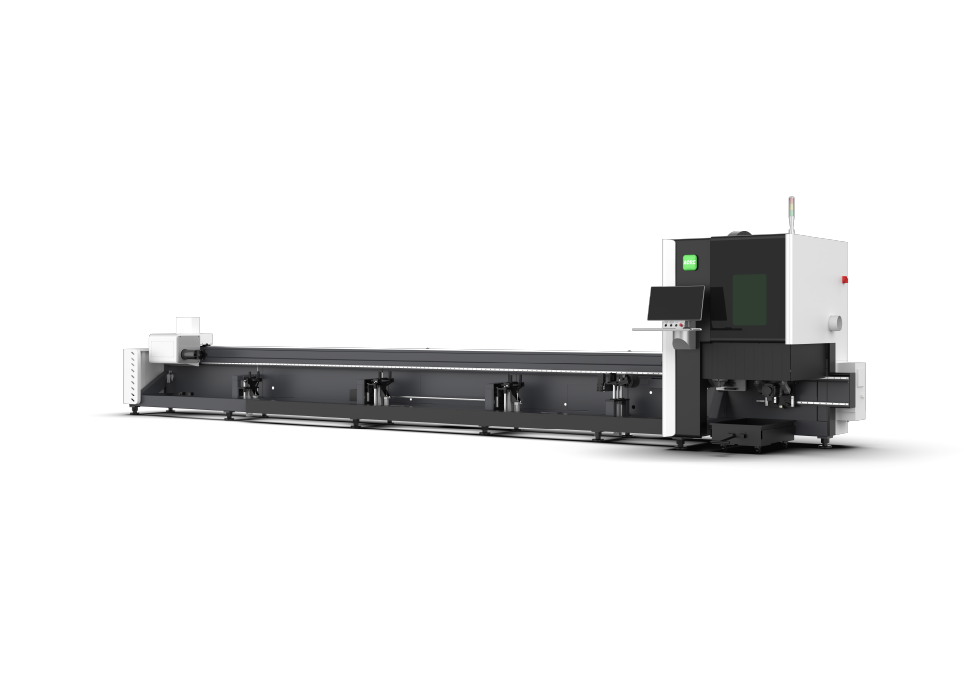
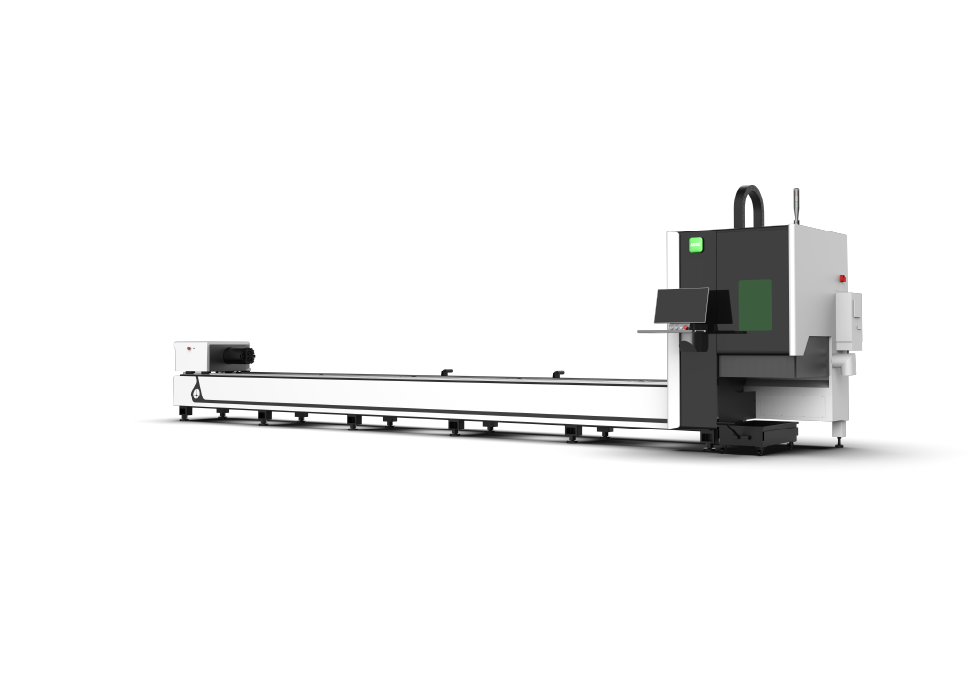
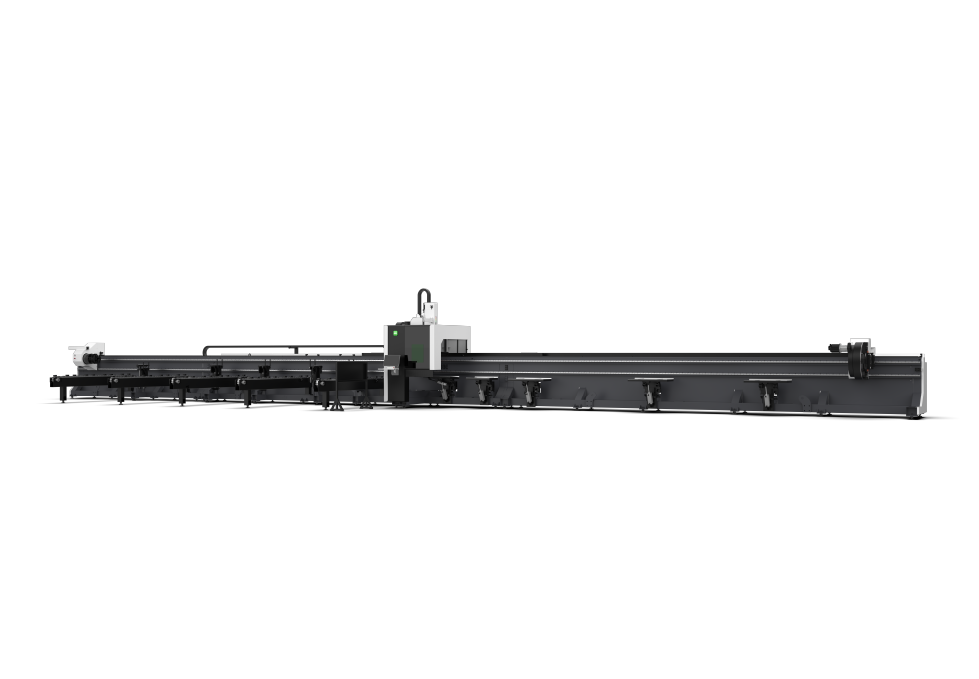
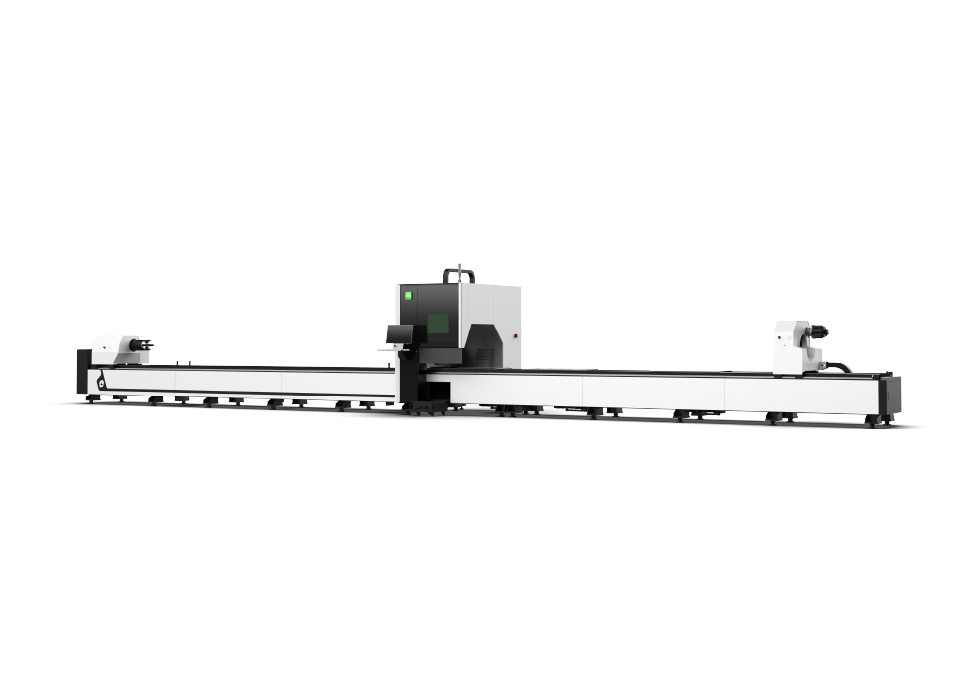
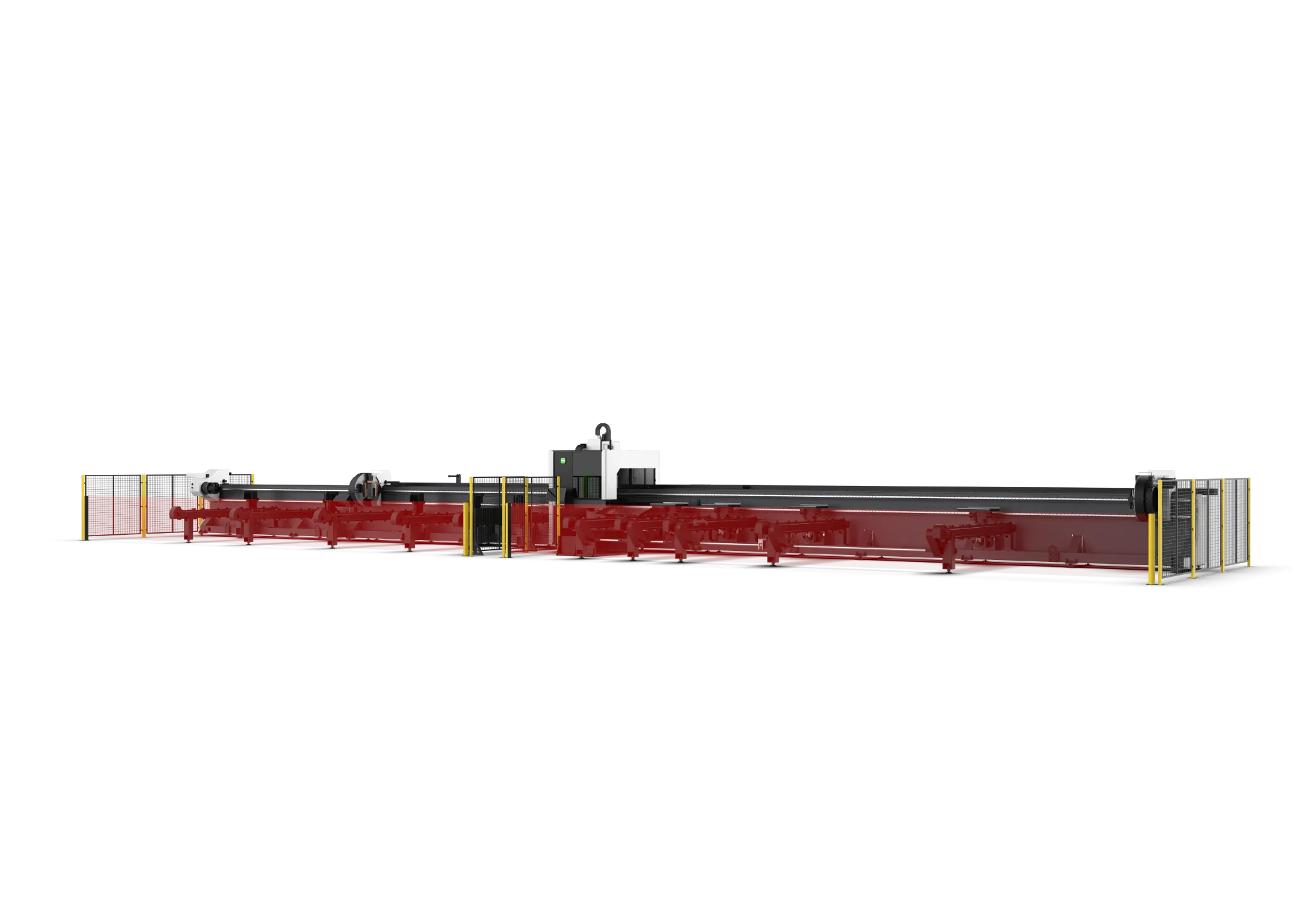
3D Beveling High-Speed Laser Tube Cutting Machine
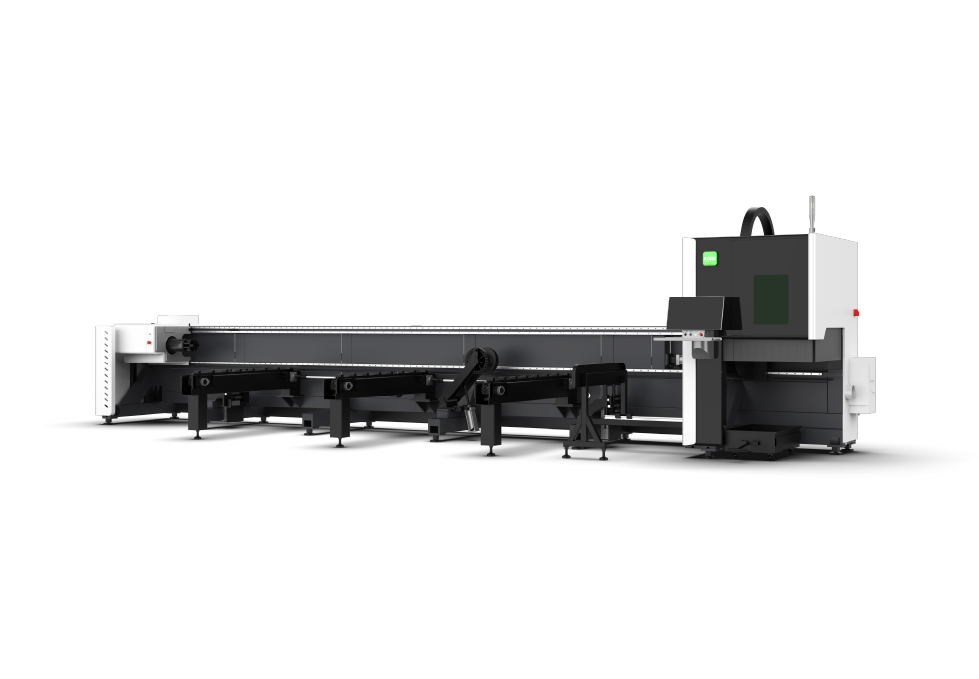
High-speed Tube Laser Cutting Machine
Efficient Tube Fiber Laser Cutting Machine
Three-Chuck Heavy-Duty Tube Laser Cutting Machine
Three-chuck Tube Fiber Laser Cutting Machine
Four-Chuck Fully Floating Fiber Laser Tube Cutting Machine
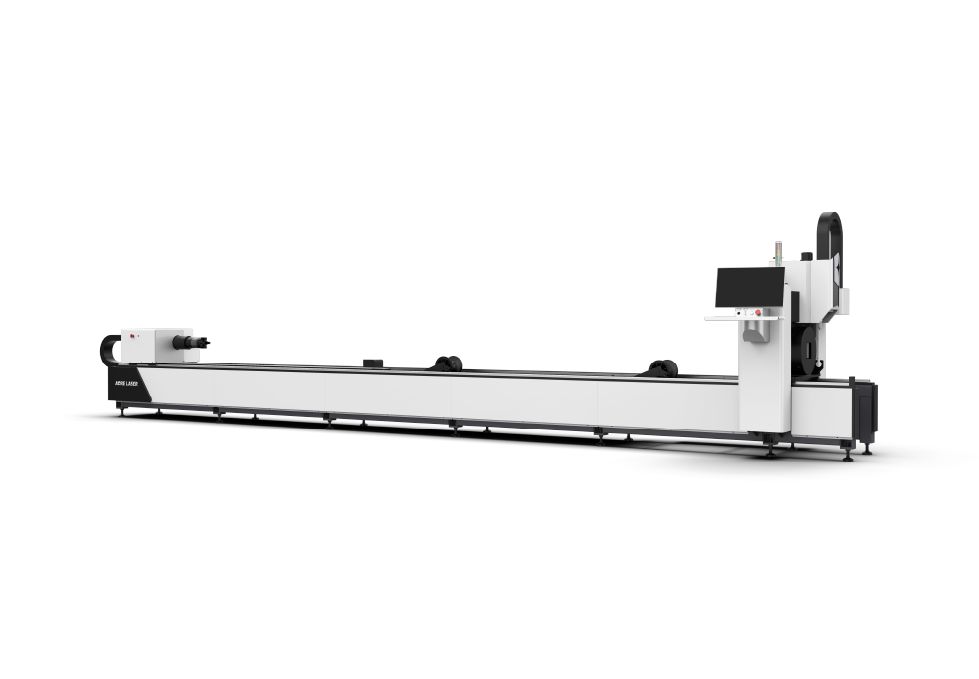
High-speed Tube Fiber Laser Cutting Machine
Economical laser tube cutting machine
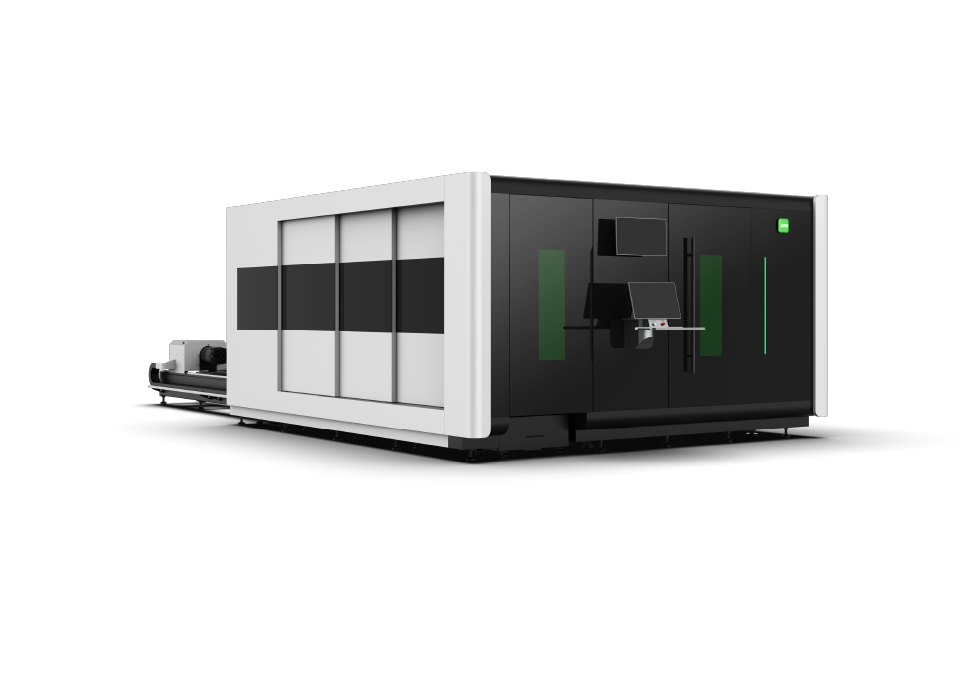
Double-platform Sheet and Tube Fiber Laser Cutting Machine
Efficient Sheet and Tube Fiber Laser Cutting Machine
3D Five-axis Fiber Laser Cutting Machine
1.5-6kW
Automated Profile Loading & Unloading System
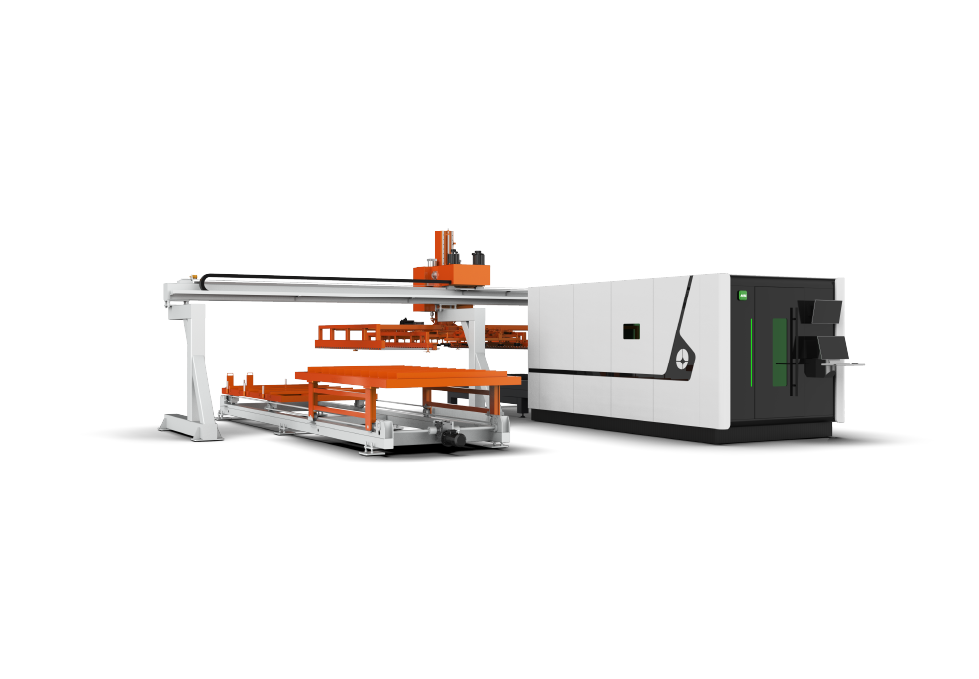
Sheet Metal Warehouse Loader/Unloader
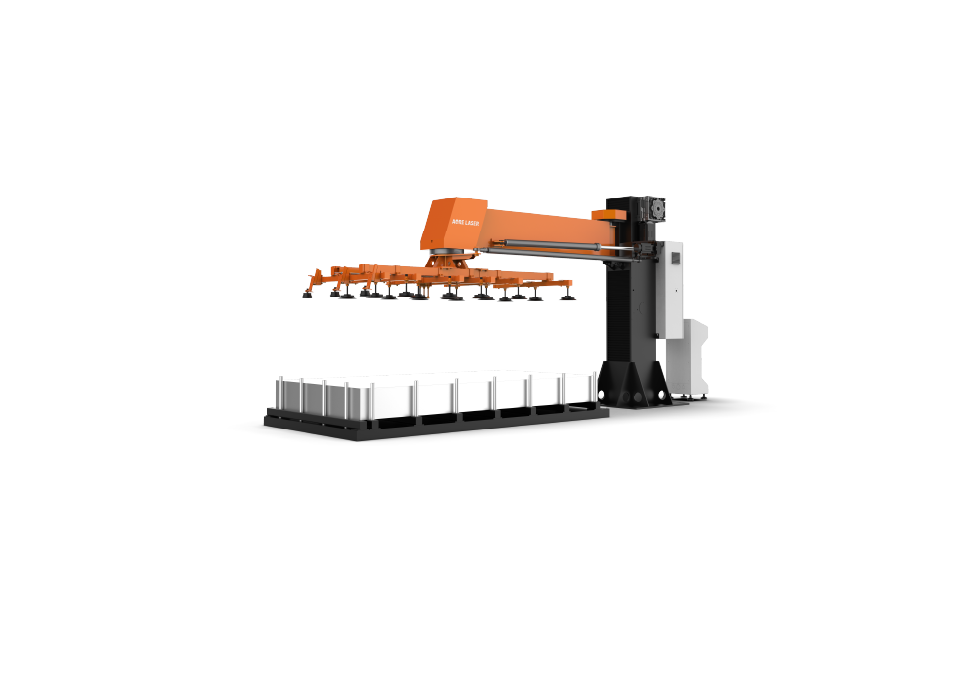
Automatic Sheet Metal Loading Device
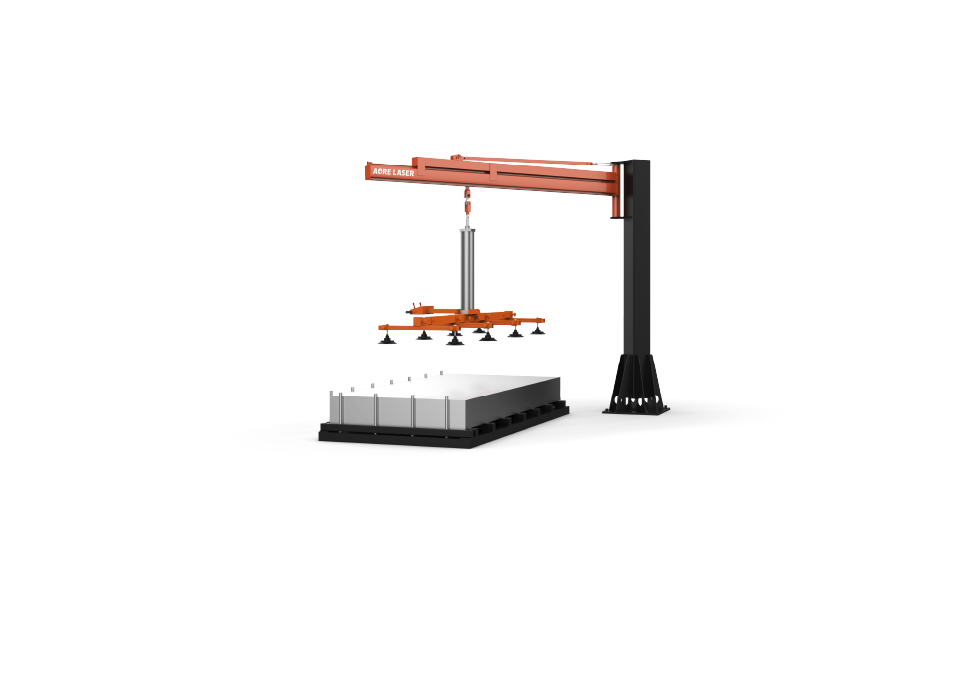
Automatic Cantilever Sheet Metal Loading Device
Cantilever Sheet Metal Loading Device
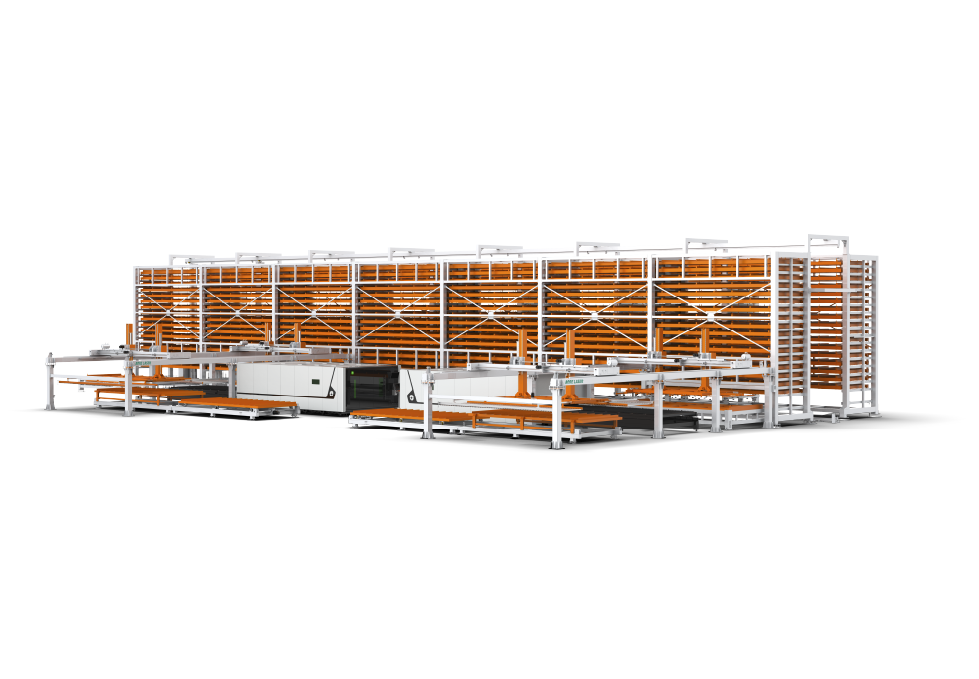
Intelligent Sheet Metal Production Line
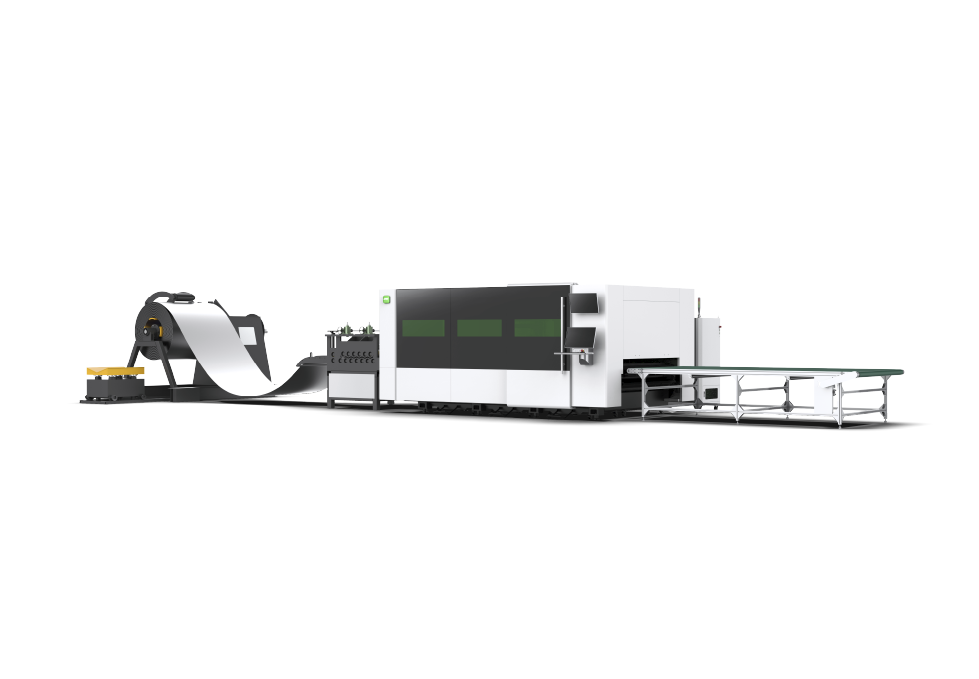
Coil Laser Cutting Production Line
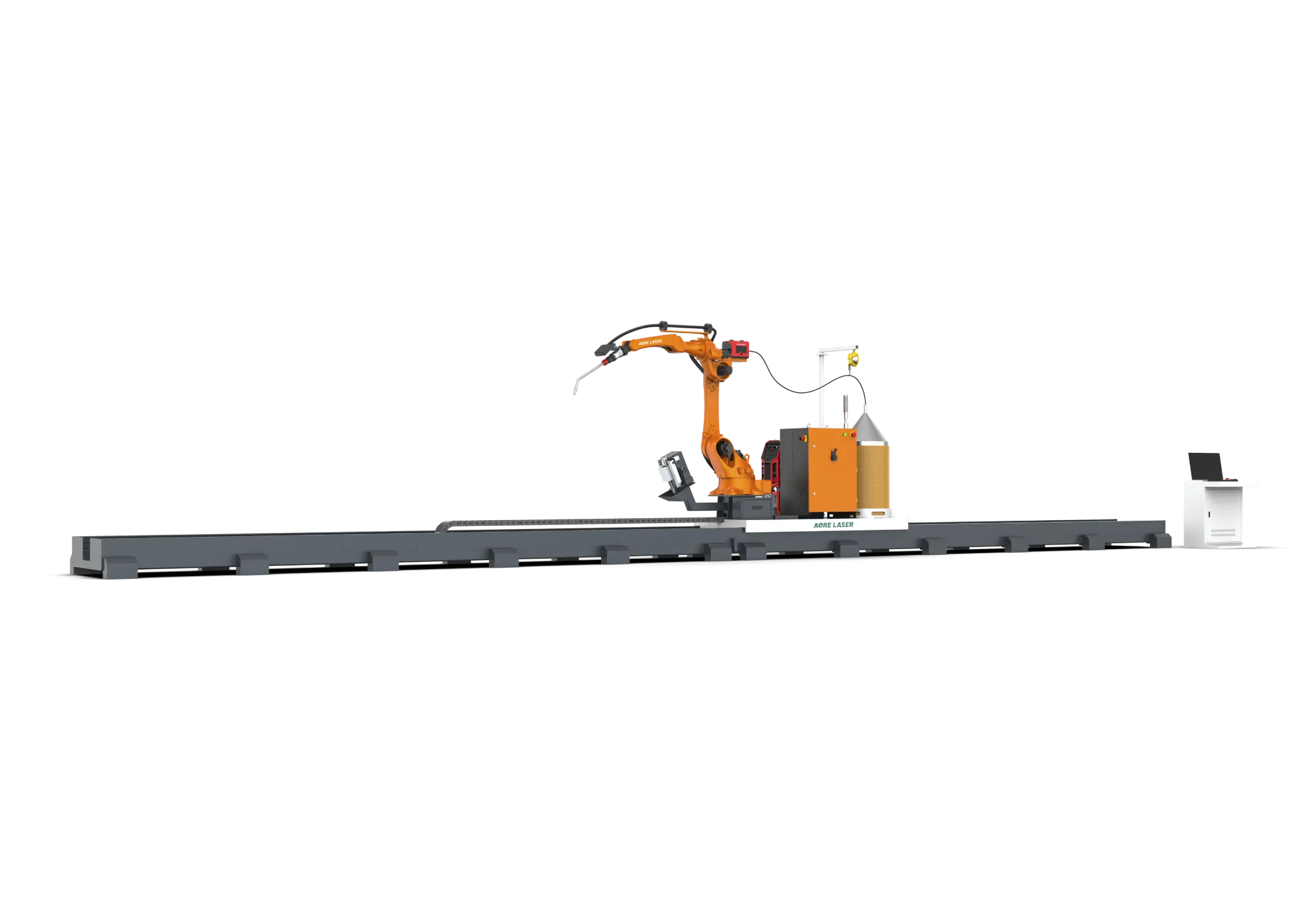
Intelligent Welding Workstation
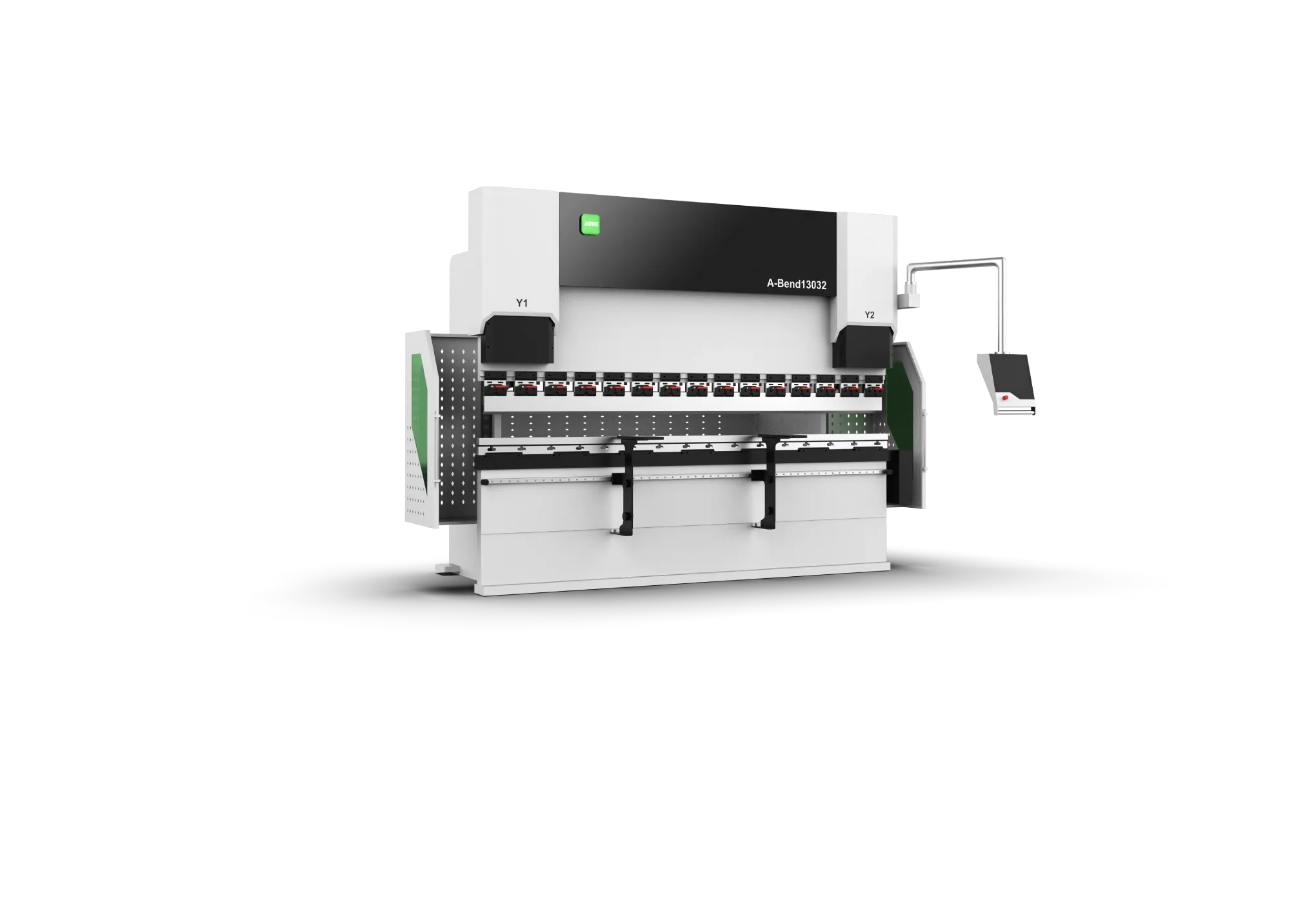
Electro-Hydraulic Servo Press Brake
3kW
Water-cooled Handheld Laser Welding Machine
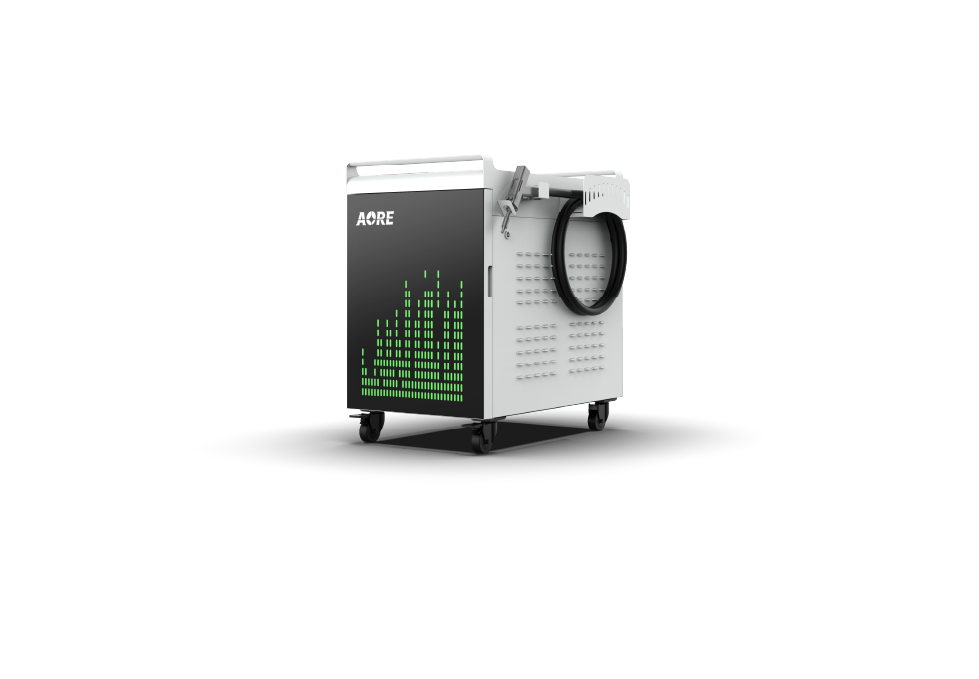
Water-cooled Handheld Laser Cleaning Machine
* Name
* E-mail
* Phone or WhatsApp
* Country
* City
Company
* Cutting Material
* Message
A press brake is a machine tool that uses upper and lower dies to apply pressure to sheet metal, causing it to undergo plastic deformation to achieve a specific angle and shape.
Core function: To process flat sheet metal into various three-dimensional structural components;
Press brakes are widely used across electrical cabinet production, automotive manufacturing, HVAC ductwork, structural steelwork, and aerospace components.
Materials processed by the bending machine include carbon steel, stainless steel, aluminum, copper, etc.
The working principle of a press brake revolves around overcoming the material's yield strength while staying within its tensile limit to prevent cracking.
Sheet Alignment: The metal plate is placed on the lower die and pushed flush against motorized backgauge stops.
Downward Force Application: Hydraulic cylinders or servo-electric drives push the upper ram and punch downward into the sheet metal.
Plastic Deformation: The sheet is forced into the V-die opening, forming the desired bend angle (via Air Bending, Bottoming, or Coining).
Springback Compensation: Upon releasing pressure, the metal slightly unbends ("springs back"). Modern CNC systems automatically calculate deeper punch penetration to compensate for material elasticity.
As a professional supplier of industrial sheet metal processing equipment, the electric-hydraulic CNC sheet metal bending presses we develop and manufacture are specifically designed for high-precision, heavy-duty modern manufacturing applications:
CNC System:
The DELEM 53TX CNC system from the Netherlands is a next-generation touchscreen control system that provides a modern, integrated, and multifunctional solution for press brakes.
Mechanical Deflection Compensation:
The mechanical compensation table consists of uniquely machined and heat-treated wedge blocks. The relative displacement compensation for each set of wedge blocks is designed based on the deformation of the upper and lower beams under operational loads.
Hydraulic System: A complete set of imported Rexroth components from Germany, utilizing the most advanced electro-hydraulic servo synchronous control system. The three-section hydraulic system ensures high synchronous precision, while the cylinder seals—from internationally renowned brands—provide excellent sealing performance and a long service life.
Front Material Support Device: The front material support frame is supported by rollers along linear guides on the Z-axis. It can be manually moved to the appropriate position and secured according to the workpiece length. The support frame is adjustable in both the horizontal and vertical directions.
Bending Machine Axes
These refer to the controlled motion paths within a bending machine that can be precisely adjusted during the bending process. These axes control the movement of the punch, backgauge, and other components to accurately position the metal sheet and achieve the desired bend angle. Each axis serves a specific purpose, contributing to the bending machine’s overall functionality and versatility.
Classified as: 4+1-axis, 6+1-axis, and 8+1-axis
Feature / Metric
Torsion Bar Press Brake
Electro-Hydraulic CNC Press Brake
Control Logic
NC
CNC
Synchronization Method
Mechanical torsion bar forced synchronization
Hydraulic closed-loop synchronization
Synchronization Accuracy
±0.1–0.2 mm (prone to drift on long strokes)
±0.02–0.05 mm (real-time compensation)
Off-Center Load Resistance
Poor (prolonged off-center loading can twist or fracture the torsion bar)
Strong (independent Y1/Y2 control allows off-center bending)
Ram Speed (Approach / Return)
Approx. 80 mm/s
Up to 180 mm/s
Controlled Axes
Up to 2+1 axes (X+Y)
Standard 4+1 axes (expandable up to 8+1 axes)
Deflection Compensation (Crowning)
None or manual crowning only
Standard motorized V-axis crowning
Key Technical Parameters for Selection When evaluating and purchasing a press brake, focus on the following three key factors:
Bending Tonnage: Calculated based on sheet material, sheet thickness, bending length, and lower die slot width.
Working Span and Stroke: Select the worktable size based on the maximum bending length of the workpiece and the column spacing.
Material Properties: When processing materials with high tensile strength, such as stainless steel, the required bending tonnage is typically about 1.5–2 times that of ordinary carbon steel
A “Bending Machine” is a general term for all metal bending equipment, including pipe benders, plate rollers, and sheet metal press brakes; whereas a “Press Brake Machine” specifically refers to a sheet metal press brake that applies pressure to sheet metal via upper and lower dies to perform straight-line bending.
The main factors include the machine’s positioning accuracy, the effectiveness of deflection compensation, variations in the sheet’s thickness and tensile strength (which affect springback), and eccentricity caused by die wear.
Based on your industry, workpiece material, maximum bending thickness, and maximum workpiece length, you can determine the required bending length and tonnage. You can also provide the manufacturer with your workpiece model drawings to finalize the press brake model.
Aore Laser Showcases Advanced Welding Technology at South Africa International Industry Expo
AORE Laser Shines at Italy BI-MU 2024
Aorelaser uses "Essential Cookies" to ensure the operation of the website, while others help us improve your user experience. By clicking "Accept All", you agree to our use of all cookies. You can also change your cookie settings by going to your preferences. For more information about cookies, please see our Cookie Policy.(The data storage period is 7 days)
Essential cookies enable basic functionality and are necessary for the website to work properly.
Preference cookies allow websites to remember your choices (such as language preference) and provide a more personal experience.
Statistics cookies collect information anonymously. This information helps us understand how our visitors use our website.
Marketing cookies are used by third parties or publishers to display personalized advertisements. This is done by tracking visitors across websites.