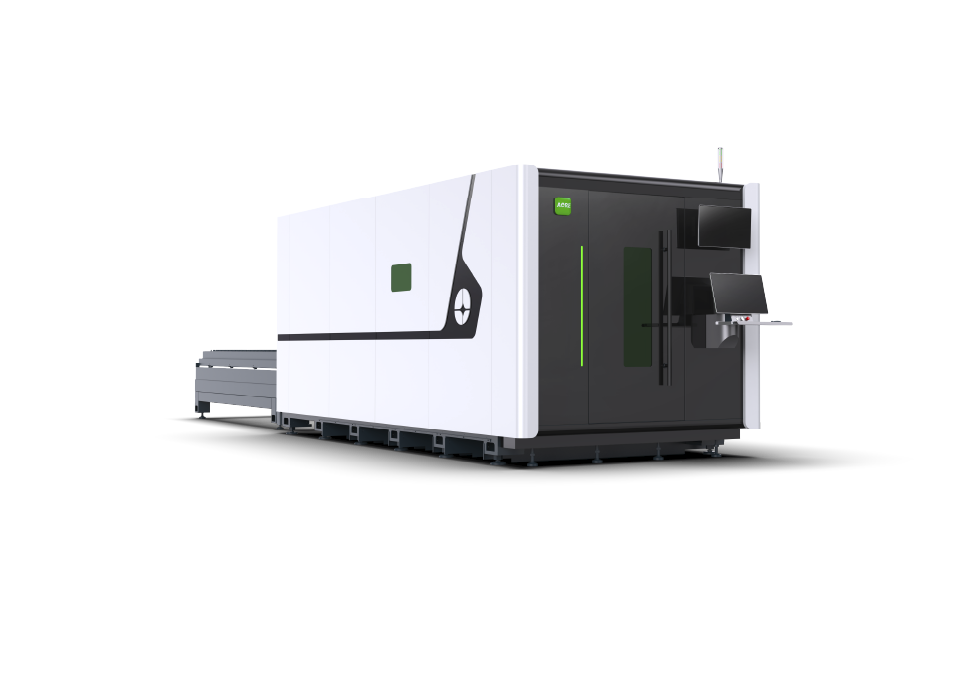
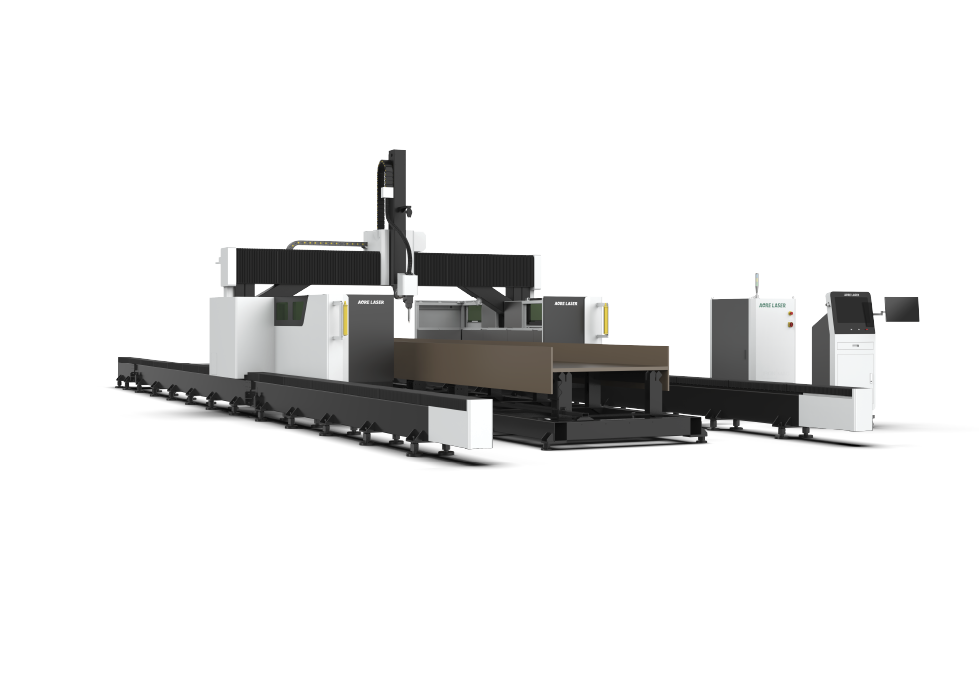
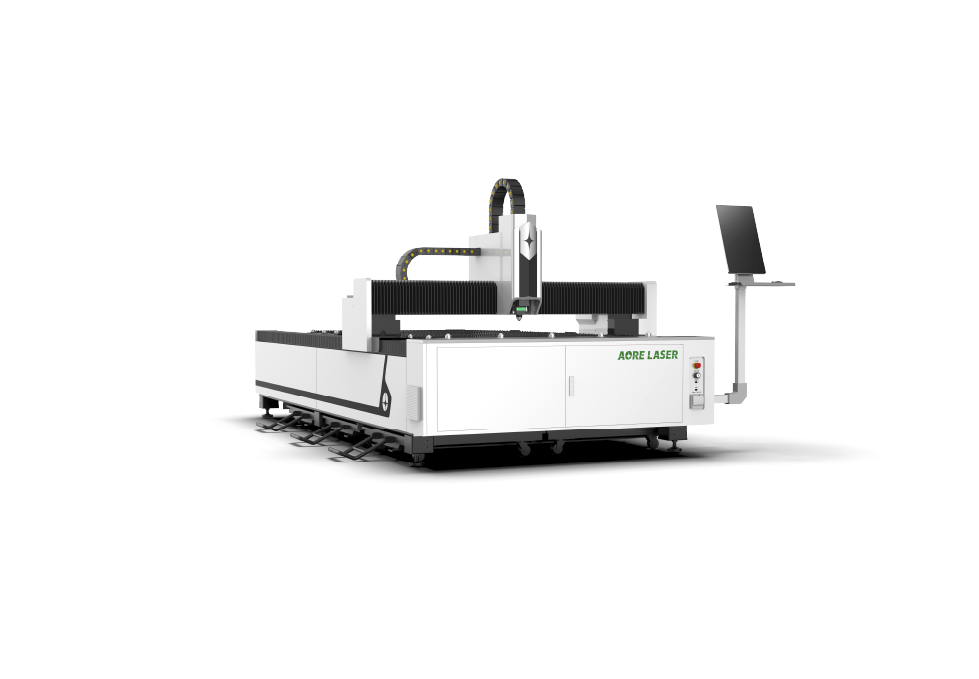
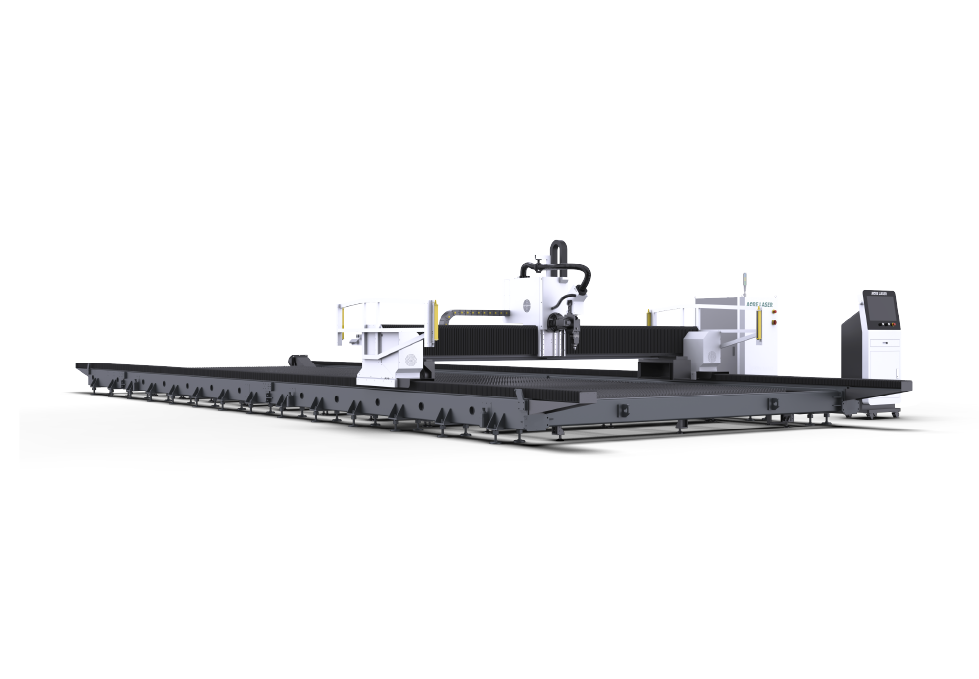
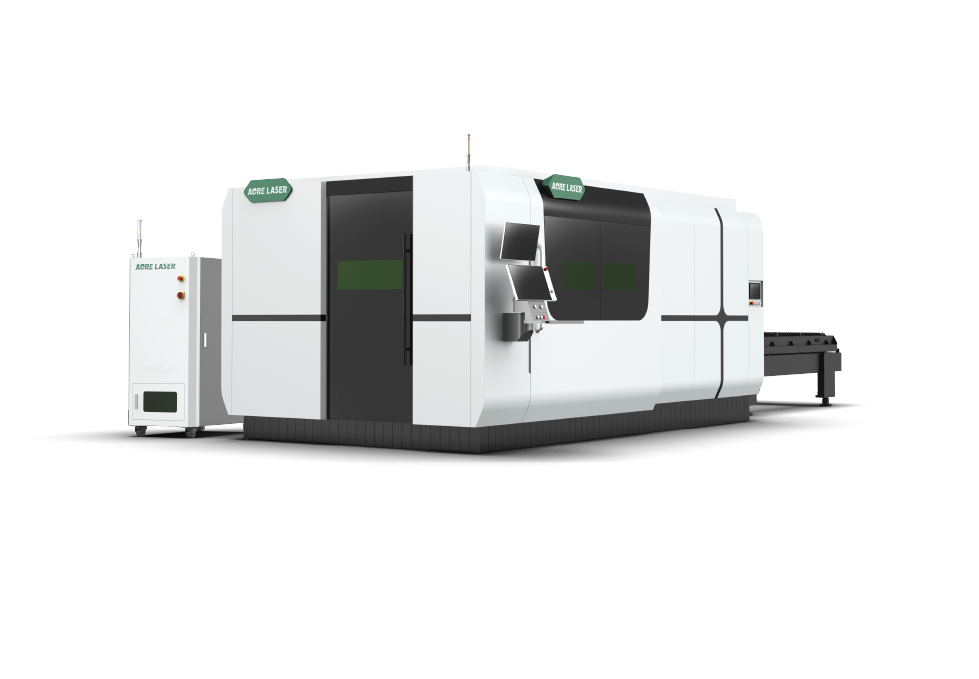
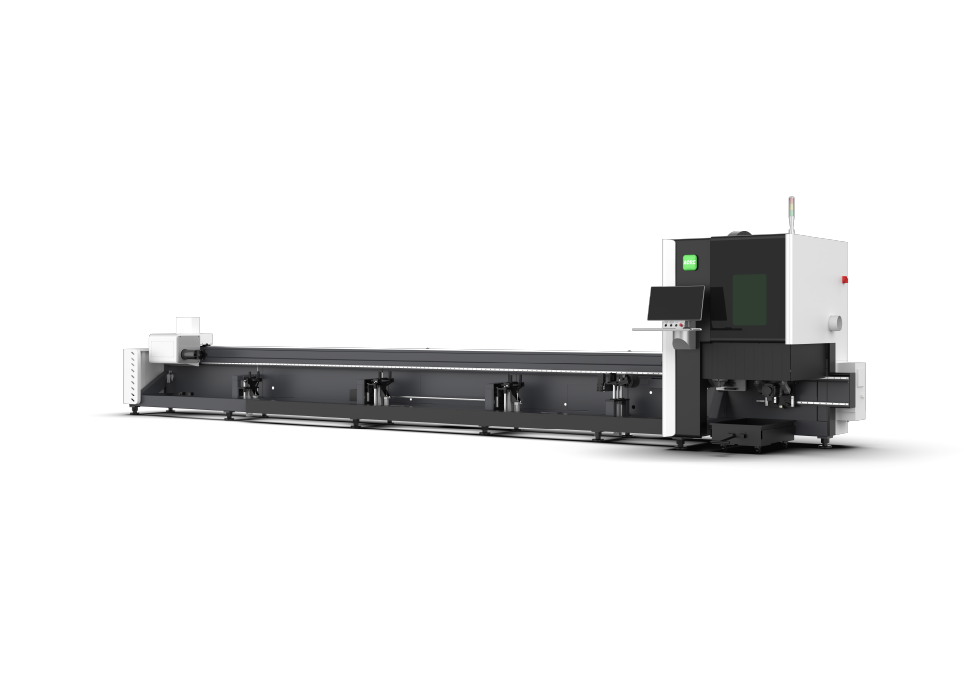
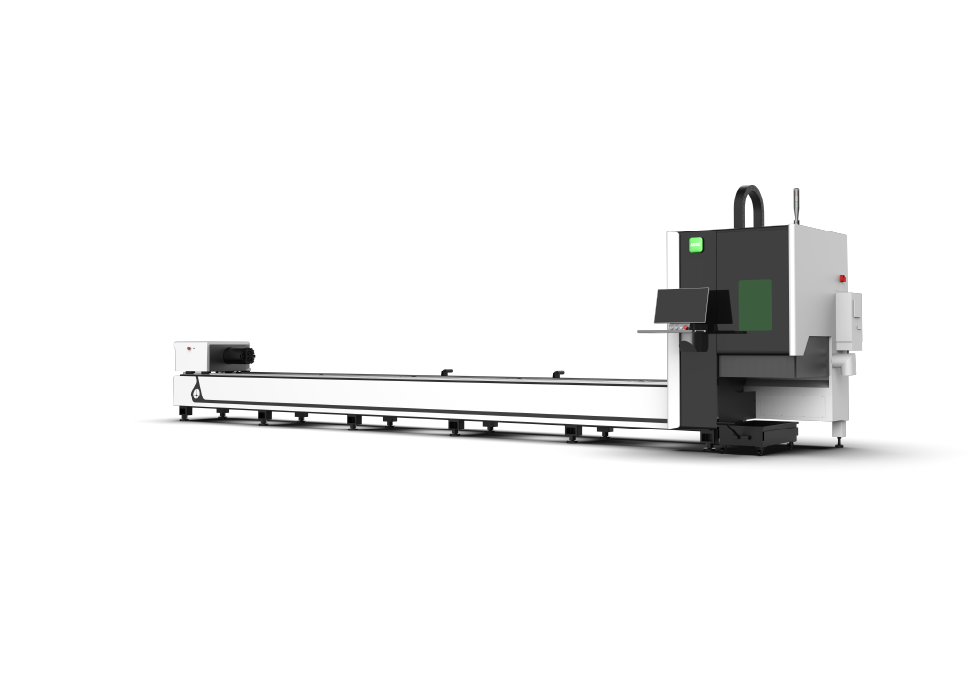
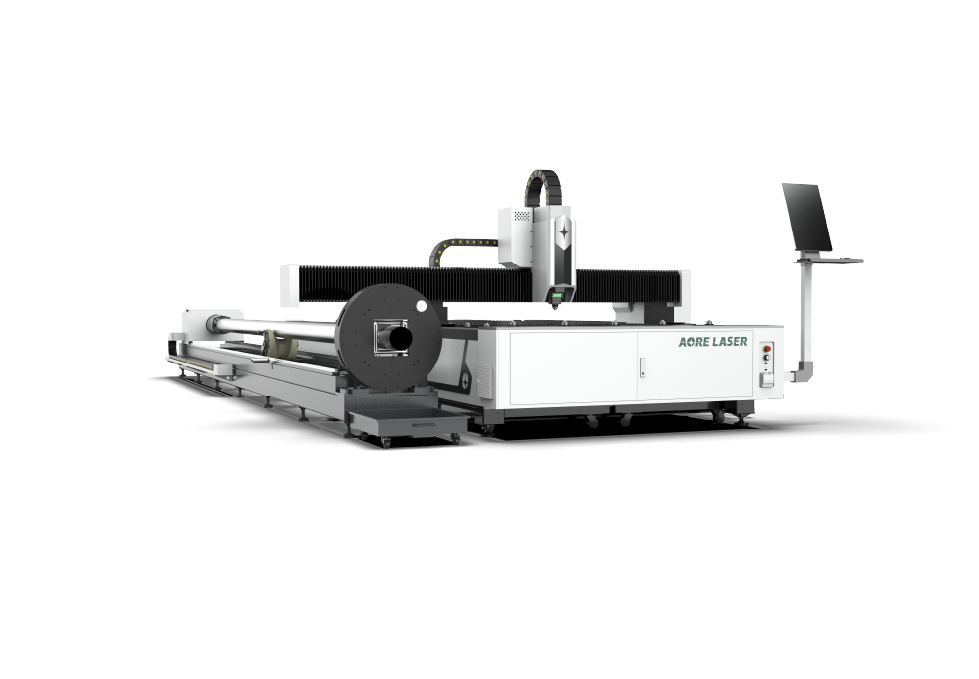
3-12kW
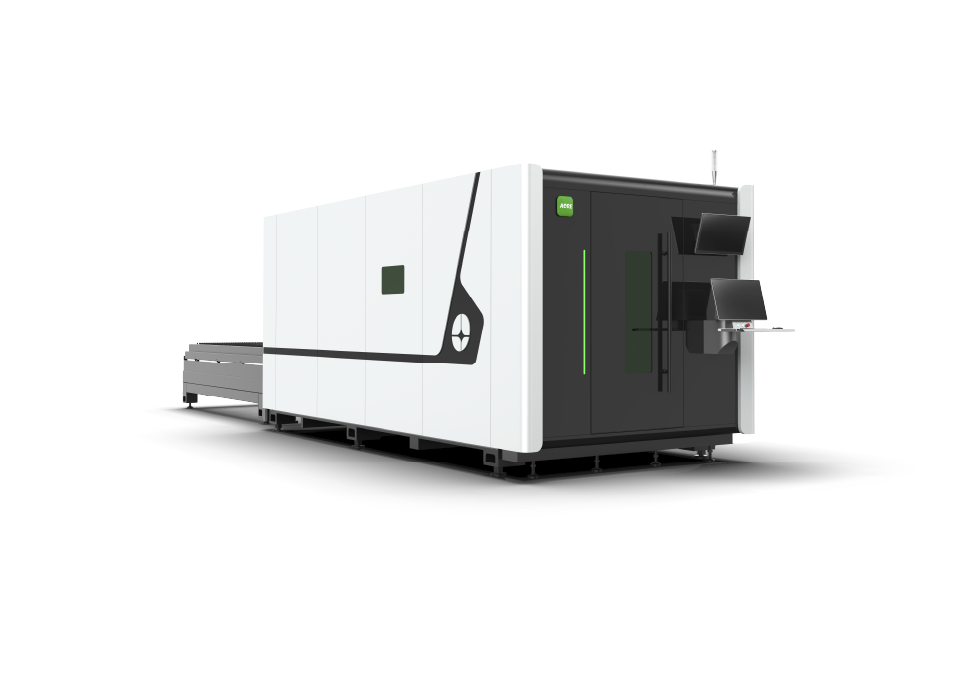
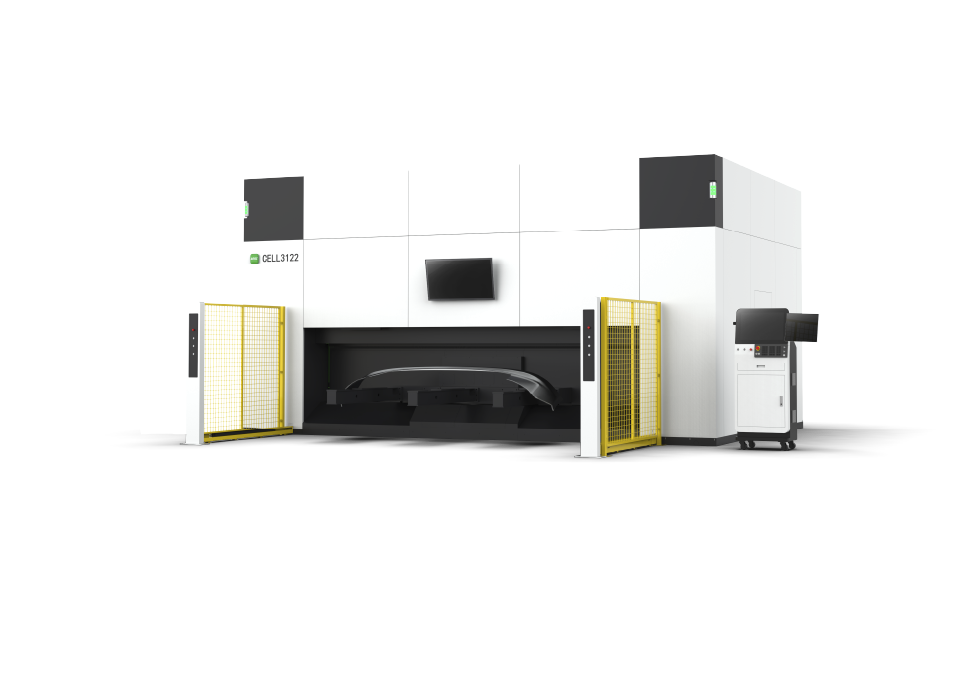
12-40kW
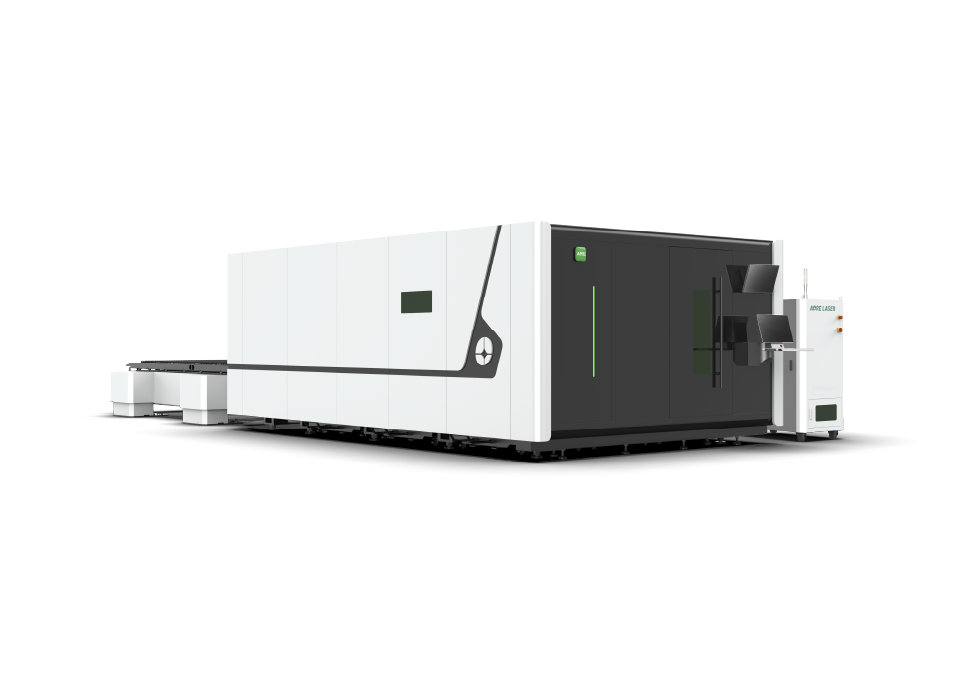
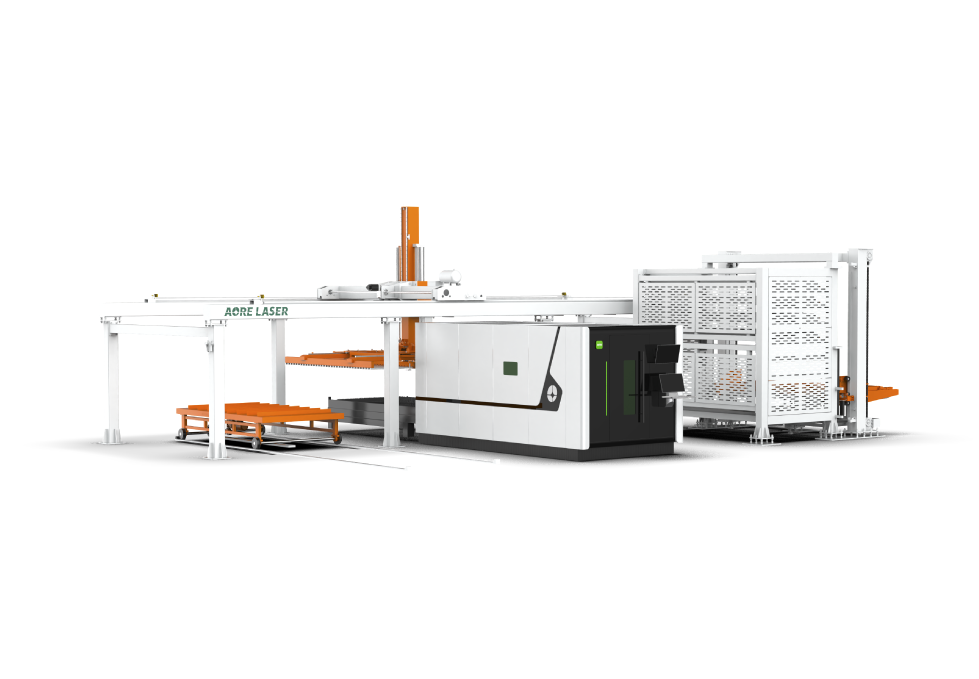
1.5-20kW
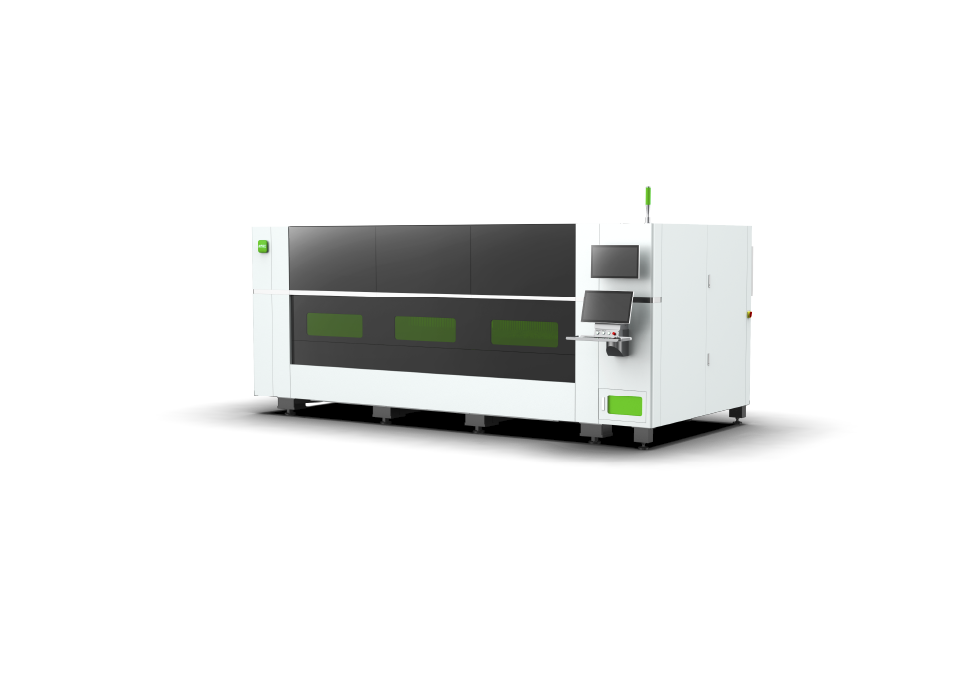
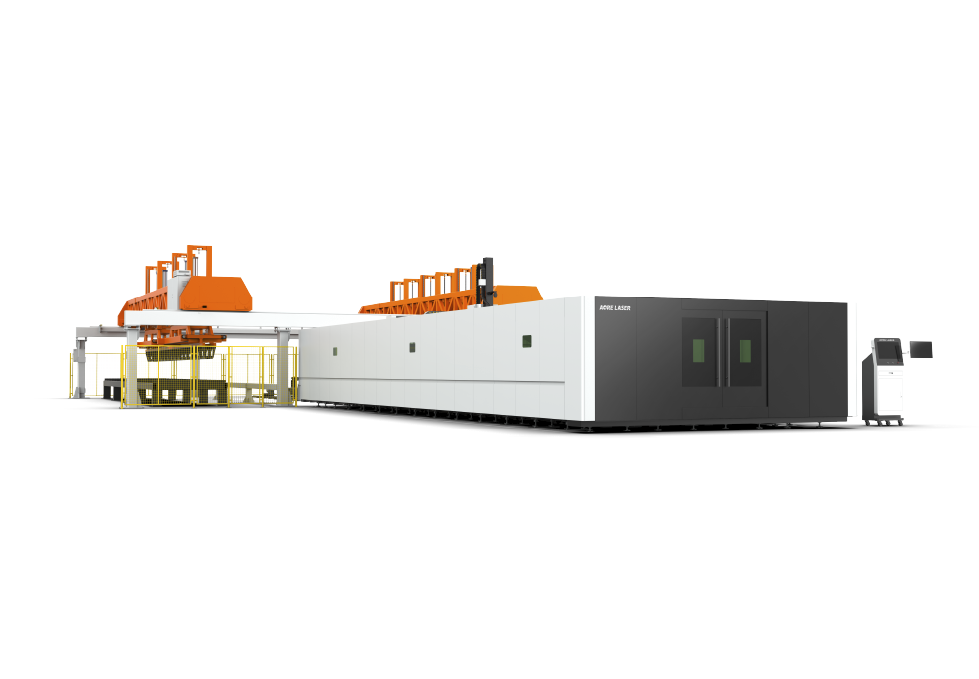
6-60kW
6-40kW
1.5-40kW
8-40kW
1.5-12kW
Fully-Protective High-Speed Sheet Laser Cutting Machine
All-In-One Fiber Laser Cutting Machine
Single platform plate laser cutting machine
Ground-rail Sheet Fiber Laser Cutting Machine
High-speed Sheet Fiber Laser Cutting Machine
High power sheet laser cutting machine
Full-protective Fiber Laser Bevel Cutting Machine
Precision sheet metal laser cutting machine
1.5-3kW
6-12KW
6-20kW
1-3KW
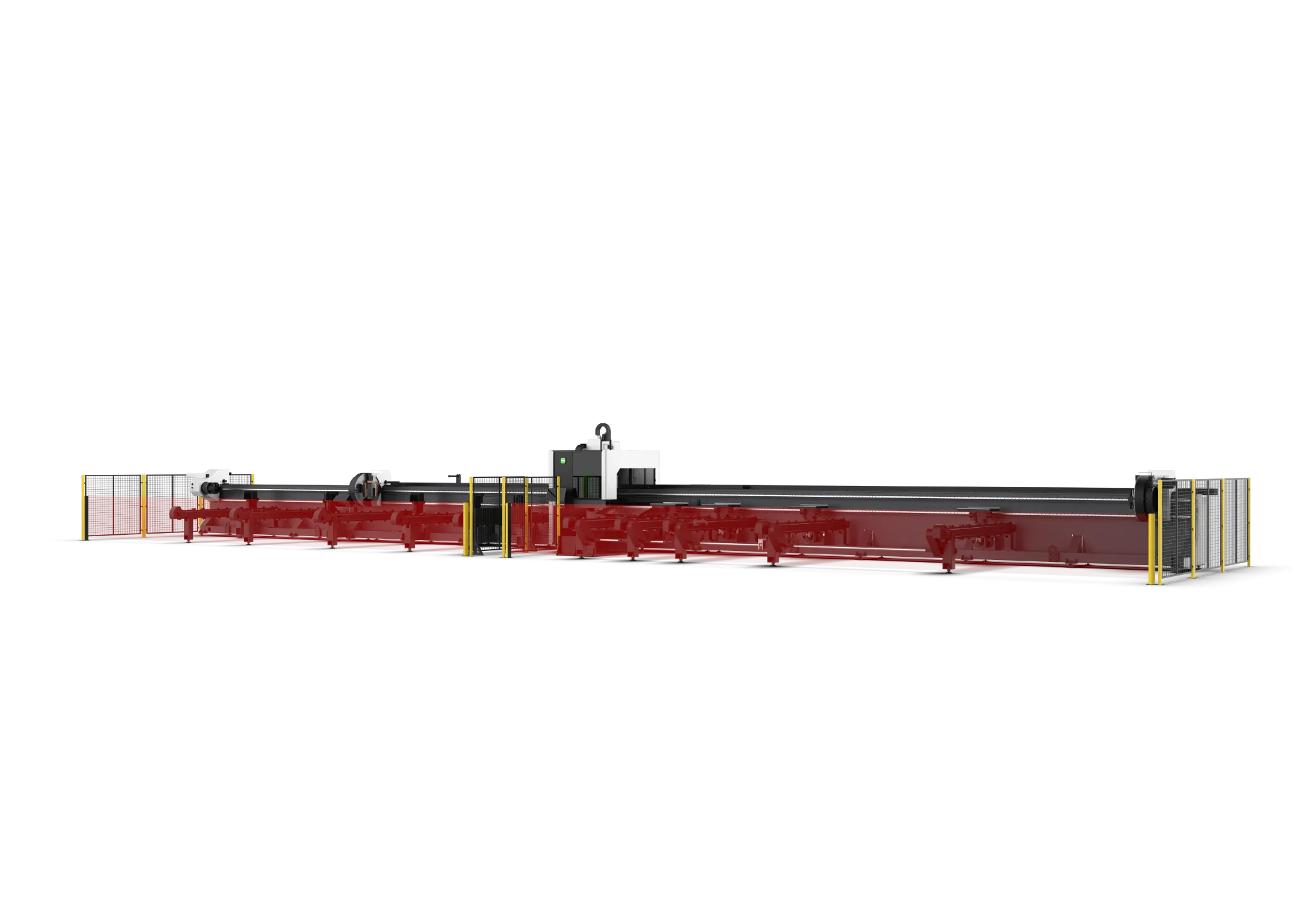
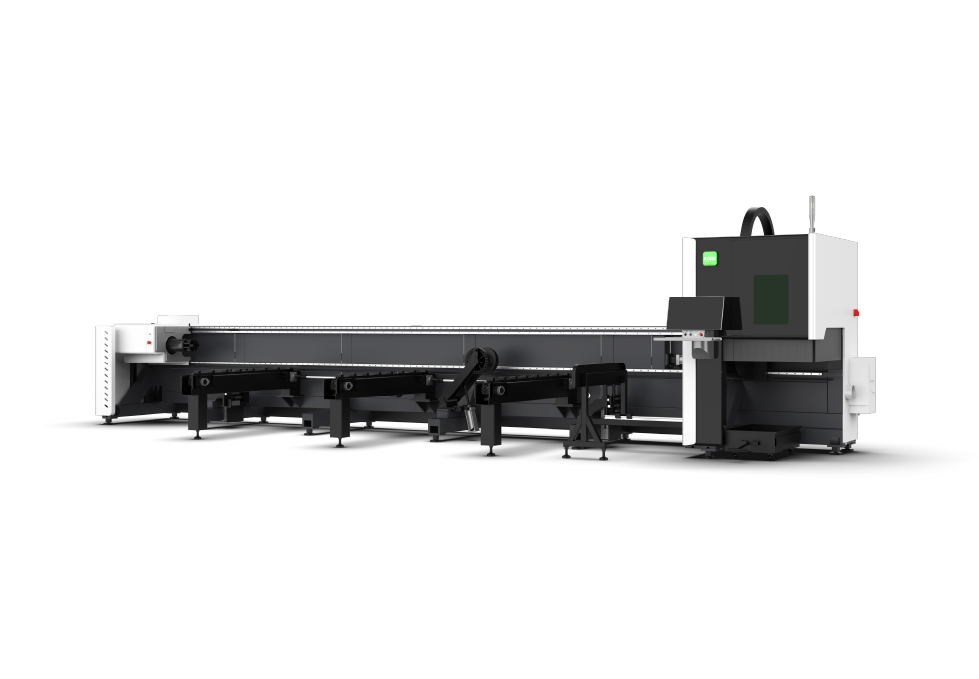
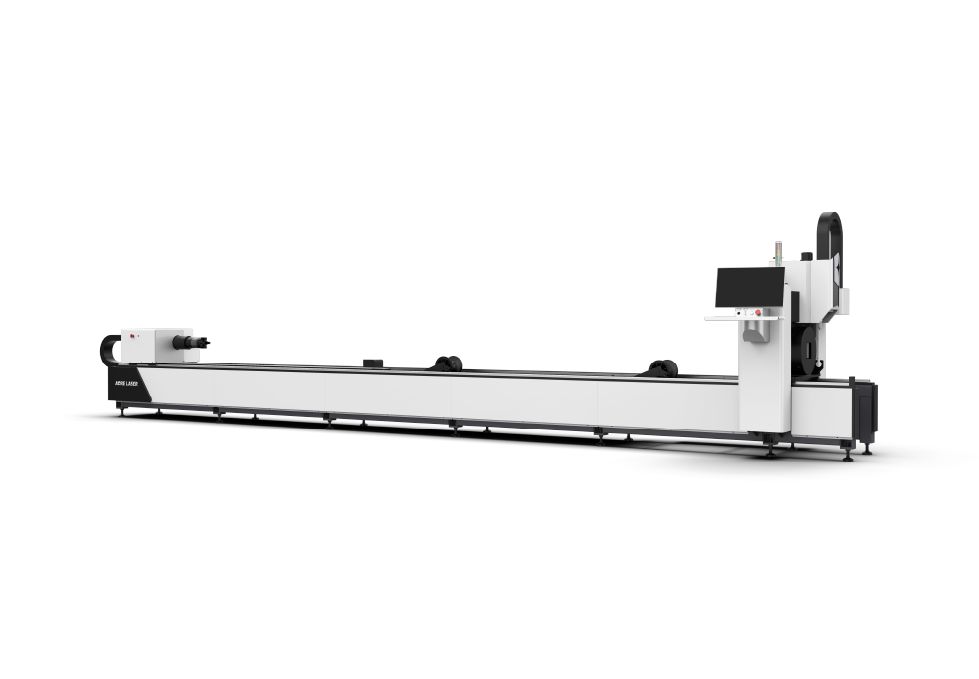
3D Beveling High-Speed Laser Tube Cutting Machine
High-speed Tube Laser Cutting Machine
Efficient Tube Fiber Laser Cutting Machine
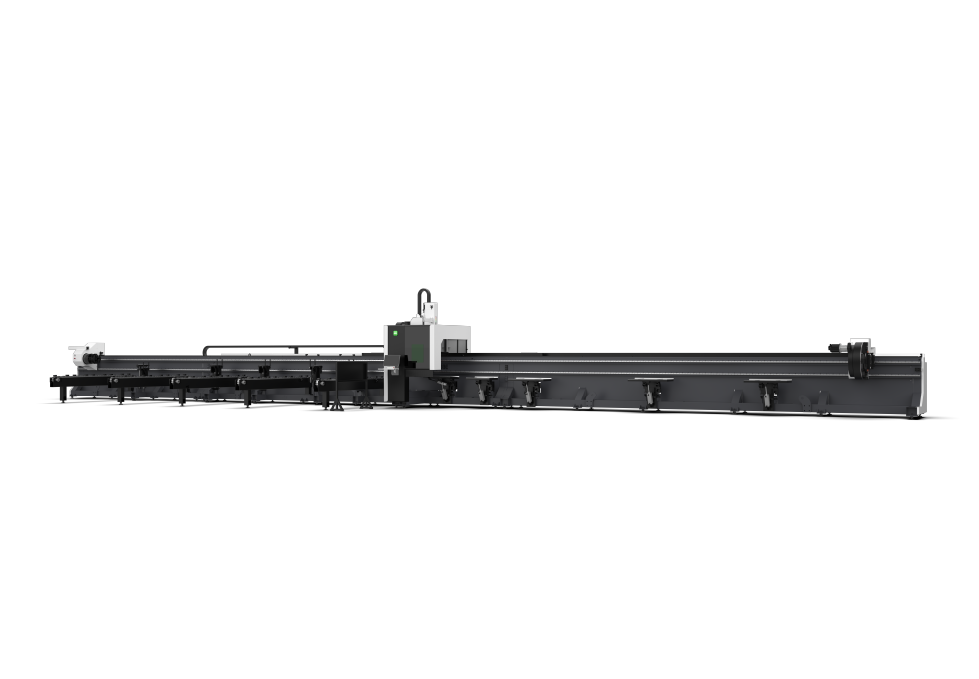
Three-Chuck Heavy-Duty Tube Laser Cutting Machine
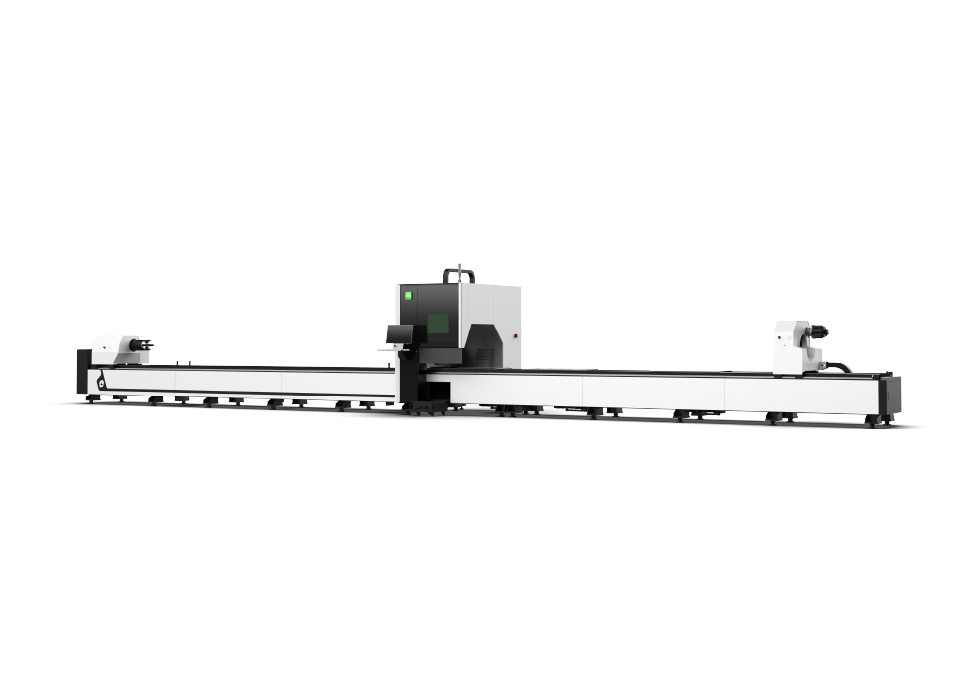
Three-chuck Tube Fiber Laser Cutting Machine
Four-Chuck Fully Floating Fiber Laser Tube Cutting Machine
High-speed Tube Fiber Laser Cutting Machine
Economical laser tube cutting machine
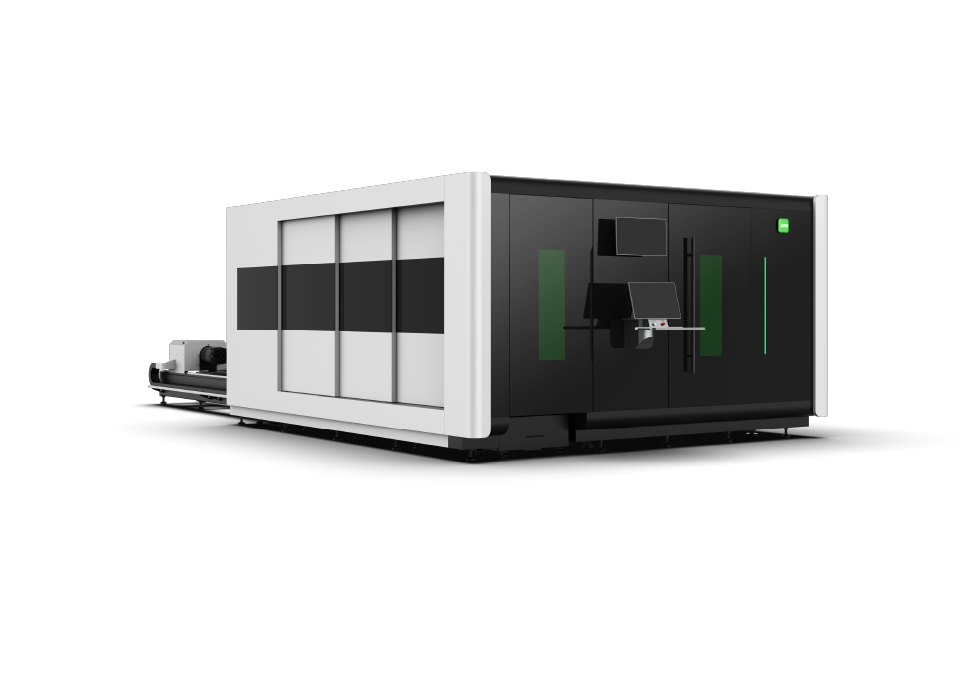
Double-platform Sheet and Tube Fiber Laser Cutting Machine
Efficient Sheet and Tube Fiber Laser Cutting Machine
3D Five-axis Fiber Laser Cutting Machine
1.5-6kW
Automated Profile Loading & Unloading System
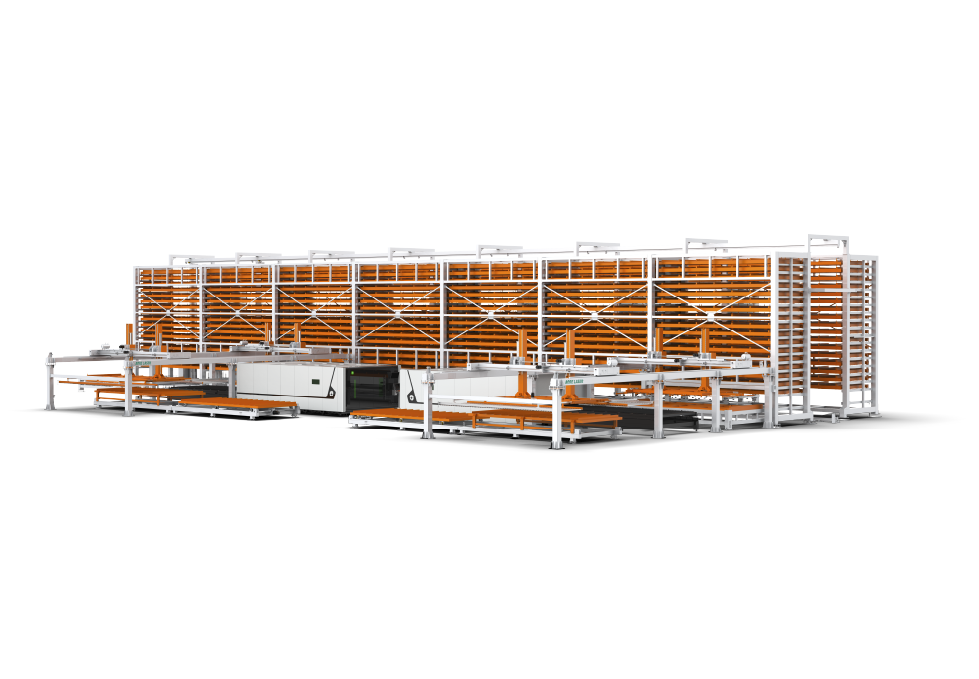
Sheet Metal Warehouse Loader/Unloader
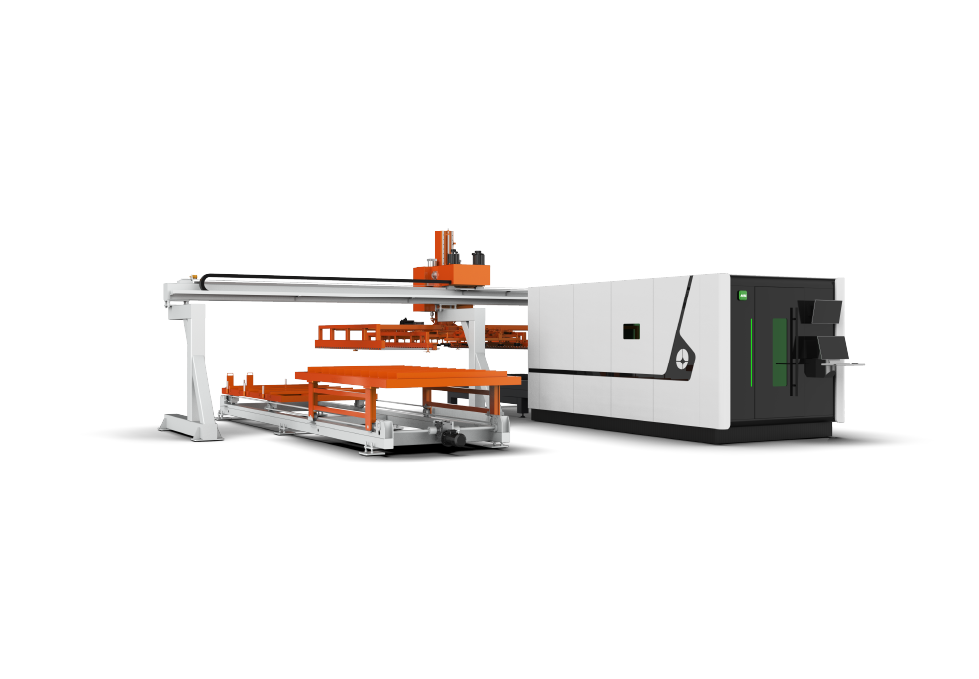
Automatic Sheet Metal Loading Device
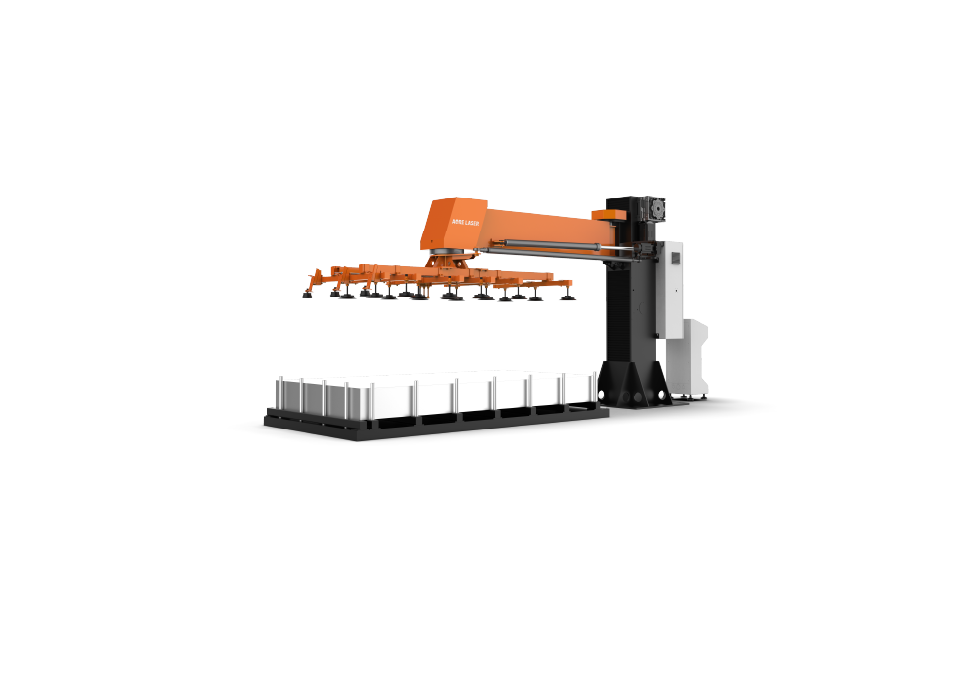
Automatic Cantilever Sheet Metal Loading Device
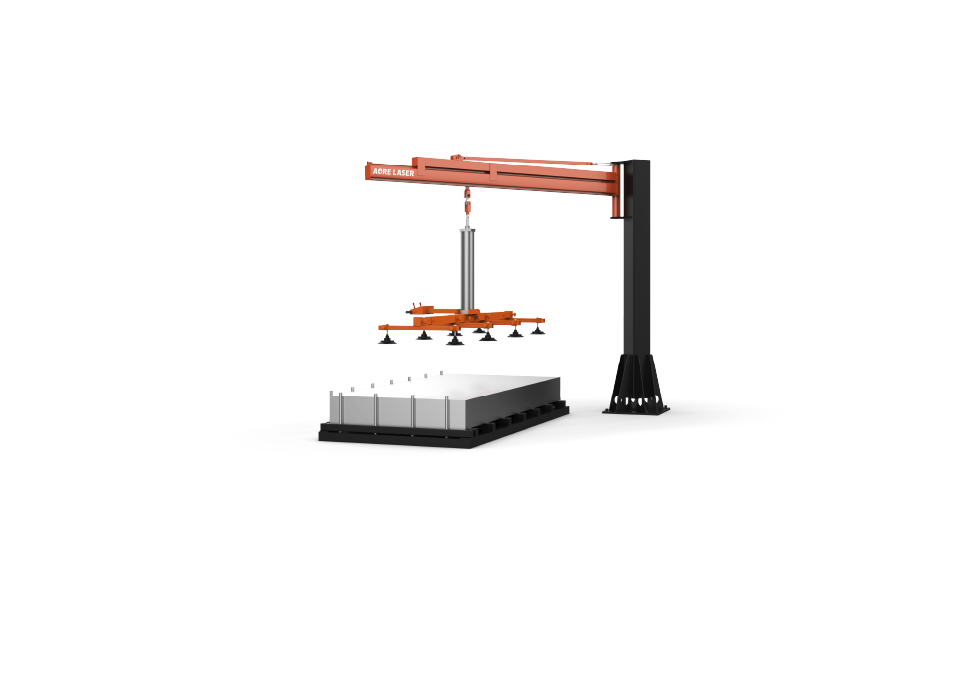
Cantilever Sheet Metal Loading Device
Intelligent Sheet Metal Production Line
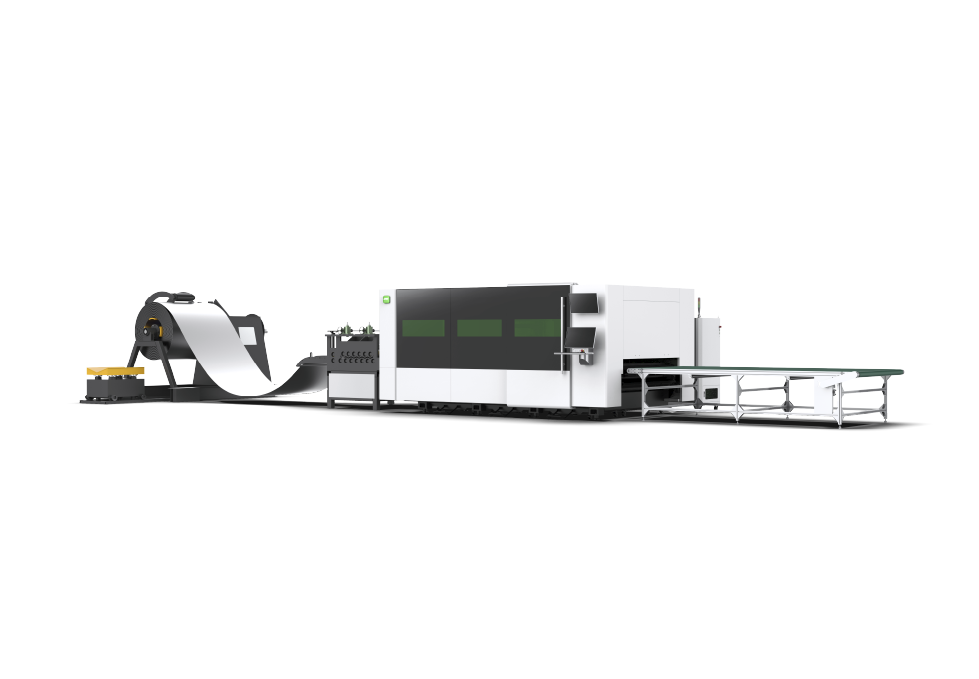
Coil Laser Cutting Production Line
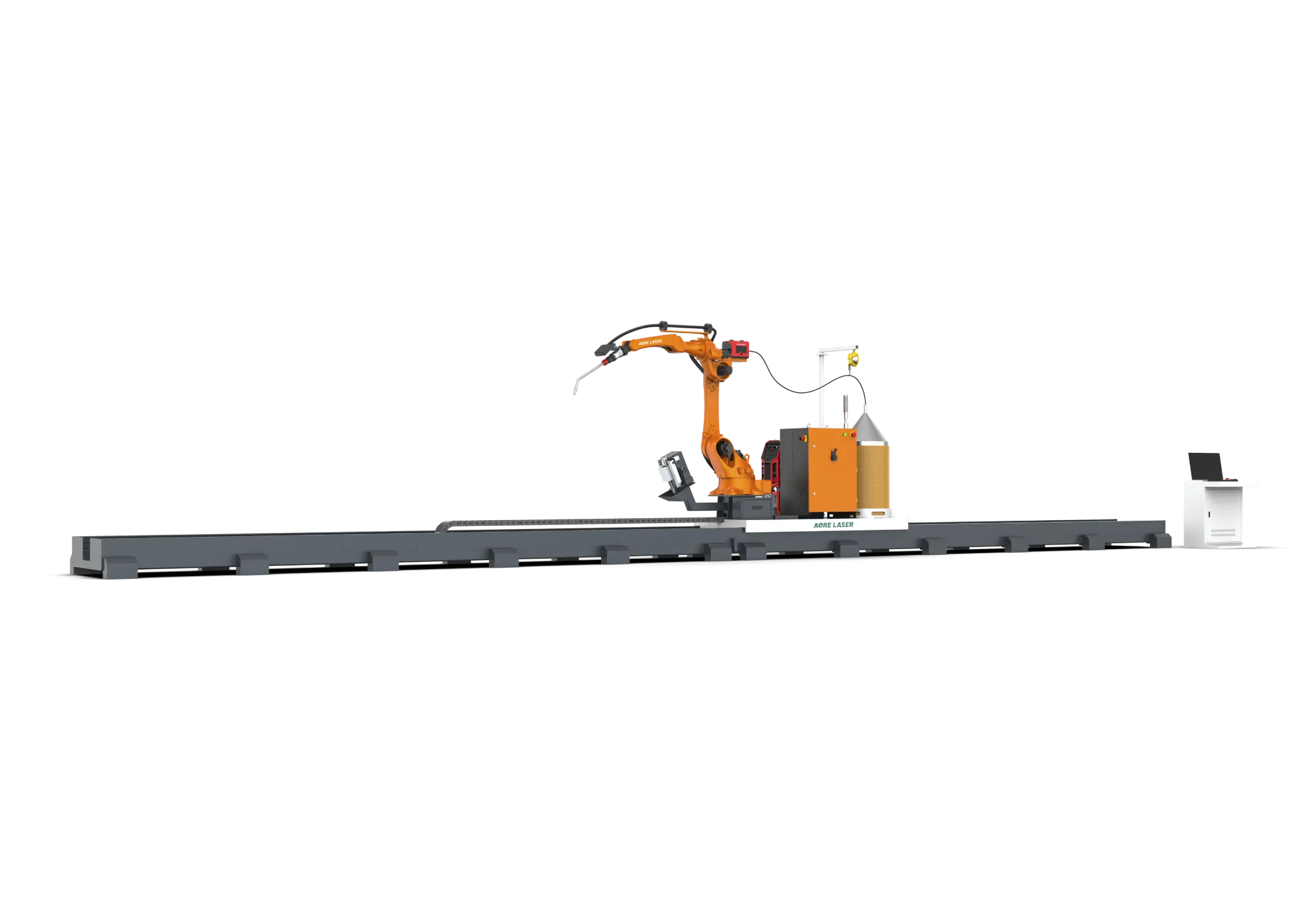
Intelligent Welding Workstation
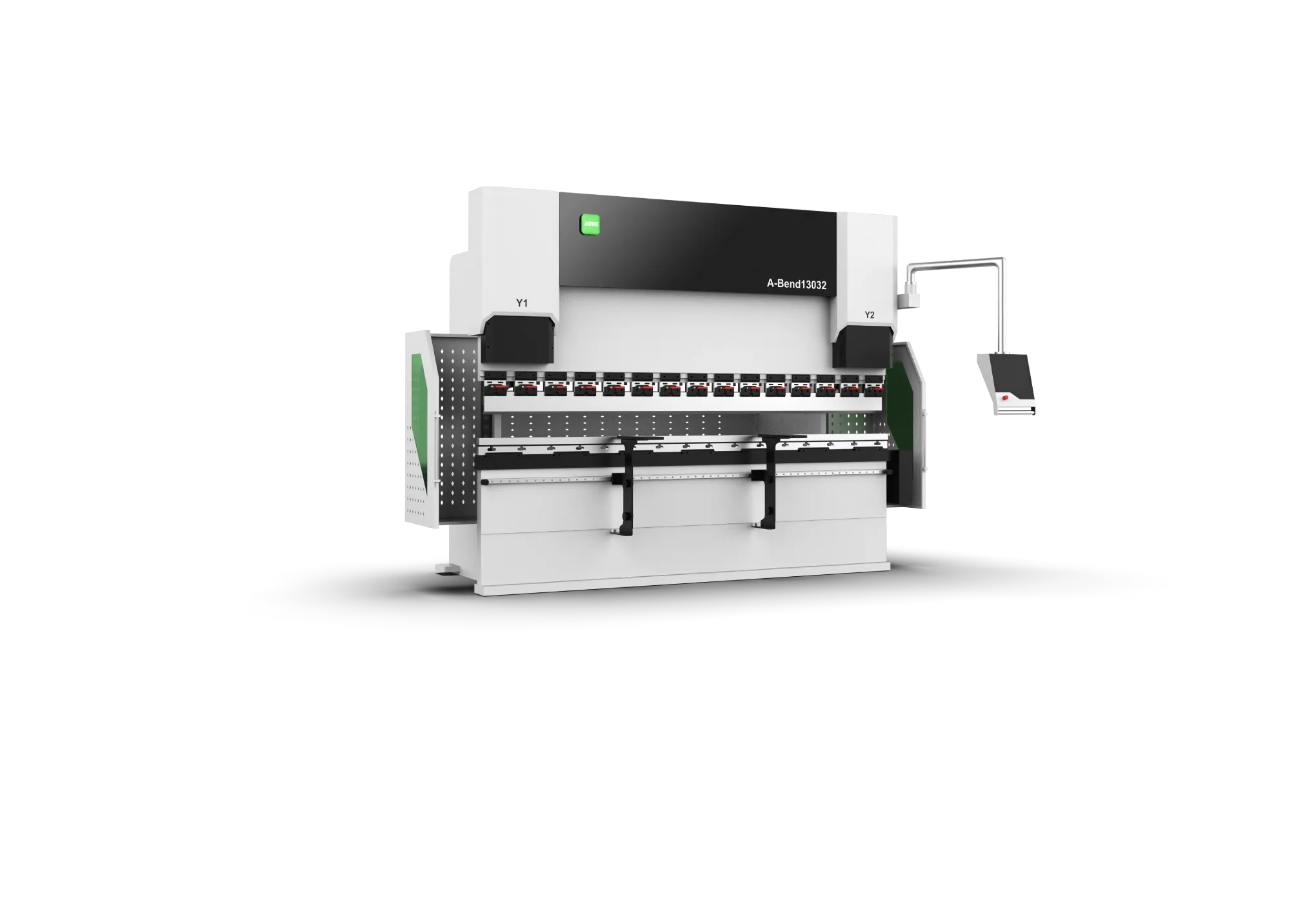
Electro-Hydraulic Servo Press Brake
3kW
Water-cooled Handheld Laser Welding Machine
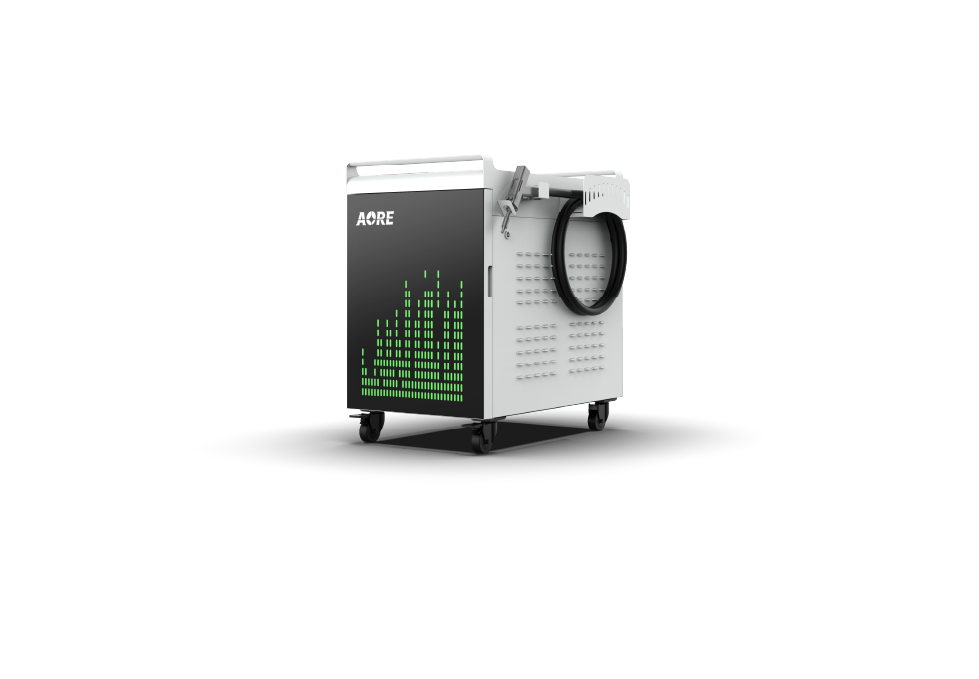
Water-cooled Handheld Laser Cleaning Machine
* Name
* E-mail
* Phone or WhatsApp
* Country
* City
Company
* Cutting Material
* Message
A laser tube cutting machine (or pipe laser cutting machine)is a piece of CNC equipment that utilizes a high-energy-density laser beam to perform precision, non-contact processing on metal tubes. Integrating CNC technology, laser cutting, and precision mechanics, it enabling multiple complex operations—such as cutting, holemaking, and beveling—to be completed on a single machine.
Unlike sheet laser cutting machine that moves across fixed X/Y axes, a metal laser tube cutter utilizes synchronized rotary chucks to clamp, feed, and rotate symmetrical or asymmetrical profiles while the laser cutting head moves along the profile's axis. This laser tube cutting machine enables precision cutting on round, square, rectangular, and elliptical tubes as well as structural steel profiles, without the need for manual repositioning or secondary processing setups.
In traditional pipe processing, operations relied on band saws for cut-off, drilling machines for hole making, and punch presses for saddle joints. This approach required multiple machines, numerous process steps, and extensive tooling fixtures, resulting in low efficiency and significant human error.
The market urgently demanded an all-in-one solution capable of pipe cut-off, hole making, beveling, and complex profile processing on a single machine. The laser tube cutting machine was developed to meet this demand.
Cutting
Technology
Traditional laser cutting heads cut perpendicular to the tube wall (90°). Modern high-performance systems are equipped with bevel cutting heads capable of inclined cutting at angles of up to ±45°. This feature creates V, Y, and K-groove bevels directly on the tube ends during the primary cutting pass, eliminating manual edge preparation prior to robotic or manual welding.
Standard 2-chuck laser tube cutting machines require a minimum distance between the chuck jaws to maintain stability, leaving an uncut raw material tailing of 100 mm to 150 mm per pipe. Advanced 3-chuck and 4-chuck metal tube laser cutters allow the chucks to move independently and pass through one another. The intermediate chuck supports the material close to the cutting zone, allowing the laser to process the entire length of the tube with tailing waste reduced to under 30mm or true zero.
While 2kW to 6kW fiber laser tube cutting machines remain standard for thin-to-medium tubes, 12kW+ laser pipe cutting machine allow operators to process heavy-duty structural steel profiles.
To operate at full capacity, high-speed fiber lasers require automated material handling. Automatic loaders can hold up to 3–5 tons of raw pipe, measuring, singulating, and feeding individual tubes into the chucks without operator intervention.
Fiber laser tube cutting machine prices vary significantly based on laser power, tube capacity, automation level, and whether sheet metal functionality is included. Aore Laser is a professional manufacturer of laser cutting machines, laser welding machines, and press brakes, and can customize machines to meet your specific processing needs.
To select the right laser cutting machine for pipe materials, you need to assess your current production needs and anticipated growth. Use this three-step decision-making process to narrow down your options for equipment specifications.
Material type dictates the choice of laser source, auxiliary gas configuration, and dust collection system:
Carbon Steel (Mild Steel): Best cut using oxygen as an assist gas for thick wall processing, or high-pressure Air/Nitrogen for thin-wall high-speed cutting.
Stainless Steel: Requires high-pressure Nitrogen assist to prevent edge oxidation, ensuring clean, weld-ready cuts.
Aluminum & Copper Alloys: Highly reflective non-ferrous materials require laser sources equipped with back-reflection protection modules to prevent optical damage. High-pressure Nitrogen or compressed air is mandatory.
Machine capacity is defined by the maximum outer diameter (OD), maximum part length, and wall thickness. Matching your profile range to the correct machine spec prevents underpowering or overspending:
Standard Light Tubes ( φ10 mm - 120 mm, Wall≤3 mm): A 1.5kW to 3kW machine provides rapid rotation speeds and high acceleration.
Medium Industrial Tubes ( φ20 mm - 220 mm, Wall 3 mm- 8 mm): A 3kW to 6kW laser source combined with a heavy-duty chuck bed balances versatility and speed.
Heavy Structural Profiles ( φ220 mm} - 350 mm+, Wall >10 mm}$): Requires 6kW to 12kW+ power options, heavy-duty pneumatic chucks, and multi-point servo support rollers to prevent pipe sagging during rotation.
Understanding the operational tradeoffs between a dedicated machine and a combination system is critical for workshop layout and throughput targets:
Pros: Higher chuck rotation speeds (up to 120 RPM), support for full automation (bundle loaders), availability of 3/4-chuck zero-tailing systems, and superior ergonomic material unloading.
Cons: Cannot cut flat metal sheets.
Best For: Dedicated tube fabricators, structural steel shops, and high-volume OEMs.
A standard flatbed sheet laser equipped with an auxiliary side-mounted rotary chuck axis.
Pros: Processes both flat sheets and basic pipes on a single machine frame; lowers initial capital expenditure and conserves shop floor space.
Cons: Slower rotation speeds, manual pipe loading, longer setup transitions between sheet and tube modes, and higher material tailing waste.
Best For: General job shops where tube processing represents less than 20–30% of total workload.
Producers utilize metal laser tube cutters to fabricate chassis frames, exhaust systems, roll cages, and electric vehicle (EV) battery pack enclosures. Precision cut-outs ensure tight fit-up prior to robotic welding.
For architectural trusses, pedestrian bridges, and commercial framing, high-power tube lasers cut complex intersecting joints directly onto structural columns and heavy beams, replacing slow band-saw and torch-cutting operations.
Exposed metal furniture and gym equipment require burr-free aesthetic cuts. High-speed fiber lasers cut slots, holes, and interlocking joints into round and oval profiles, allowing components to snap together easily before welding.
Aore Laser Technology Co., Ltd. is a direct manufacturer of industrial fiber laser machines. We design, build, and test every machine in our own production facility in Shandong, China. By selling direct with no middlemen, we give you factory pricing, strict quality control, and full manufacturer support.
(1) Wide Profile Range & High Payload Capacity
Handles pipe diameters from ⌀15 mm to ⌀240 mm with a single-tube payload of up to 300 kg. Easily cuts round, square, channel steel, angle iron, and H/I-beams, with an optional 3D beveling system.
(2) Heavy-Duty Chuck & Rigid Clamping
Cross-clamping jaws distribute pressure evenly, keeping tubes centered to eliminate alignment errors. Built with a solid cast structure and internal gear drive, it achieves a repeatability of ±0.05 mm.
(3) CE-Compliant Full Protection & Clean Environment
The fully enclosed cutting zone isolates fumes, slag, and laser light. It features double-layer fireproof curtains, safety interlock doors (auto-stop when opened), and CE-certified OD6+ laser glass.
(4) Factory-Direct Warranty & Global Technical Support:
Benefit from 24/7 remote diagnostics, localized technical service support, and rapid spare parts dispatch, ensuring high equipment uptime and a maximum return on investment.
Answer: Sheet laser cutters move along 2D X/Y axes for flat plates, whereas a pipe laser cutting machine incorporates rotary axes (Chucks) to hold, rotate, and feed 3D tubes, allowing complex cuts like cross-intersections, holes, and bevels along cylindrical walls.
Answer: Yes, modern multi-functional metal laser tube cutters equipped with specialized 3D cutting software and adaptive chucks can easily process open profiles like channel steel, angle iron, H-beams, and custom shapes.
Answer: Zero-tailing technology using 3-chuck or 4-chuck systems can reduce waste per tube from 100- 300 mm down to nearly 0 mm, saving up to 5%–15% in total raw material costs annually.
Massive Format, Strong Cutting Power!
AORE Laser Completes at SIMTOS 2026 with Advanced Laser Cutting Technology
Aorelaser uses "Essential Cookies" to ensure the operation of the website, while others help us improve your user experience. By clicking "Accept All", you agree to our use of all cookies. You can also change your cookie settings by going to your preferences. For more information about cookies, please see our Cookie Policy.(The data storage period is 7 days)
Essential cookies enable basic functionality and are necessary for the website to work properly.
Preference cookies allow websites to remember your choices (such as language preference) and provide a more personal experience.
Statistics cookies collect information anonymously. This information helps us understand how our visitors use our website.
Marketing cookies are used by third parties or publishers to display personalized advertisements. This is done by tracking visitors across websites.